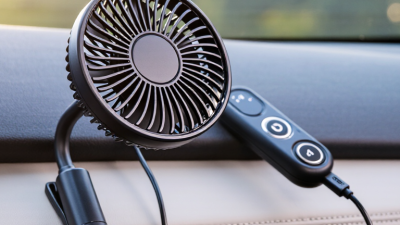
Shantou Chenghai Yate Auto Accessories Factory

Leave Your Message

China Top 10 USB Car Fan Manufacturers for Buyers

China’s USB car fan market serves practical needs: hot cabins, weak rear-seat airflow, and long summer journeys. Buyers need more than attractive product photos. They need consistent airflow, secure clips, quiet motors, and clear USB power specifications. The opportunity sits within a large vehicle market. OICA reported 93.5 million motor vehicles produced worldwide in 2023. The International Energy Agency reported nearly 14 million electric cars sold that year, about 18% of global car sales. These figures describe the broader automotive market, not USB fan sales. That distinction matters.

A reliable supplier review should examine product samples, factory capabilities, quality checks, customization options, and export experience. Small details count. A fan that vibrates against a dashboard or slips from a headrest can disappoint, even when its airflow looks strong in a catalogue. No independently verifiable quotation from a named Car Fan Usb specialist was provided for this topic, so inventing one would undermine trust. That is a limitation worth stating.

This guide introduces ten China-based USB car fan manufacturers for buyers comparing sourcing options. It focuses on questions that help separate polished listings from dependable production: Can the supplier document testing? Are USB input ratings and materials clearly specified? Can sample quality match bulk orders? The answers may vary by model and factory. Buyers should verify them directly before ordering. Use this shortlist as a starting point, not a substitute for sample testing and supplier checks.
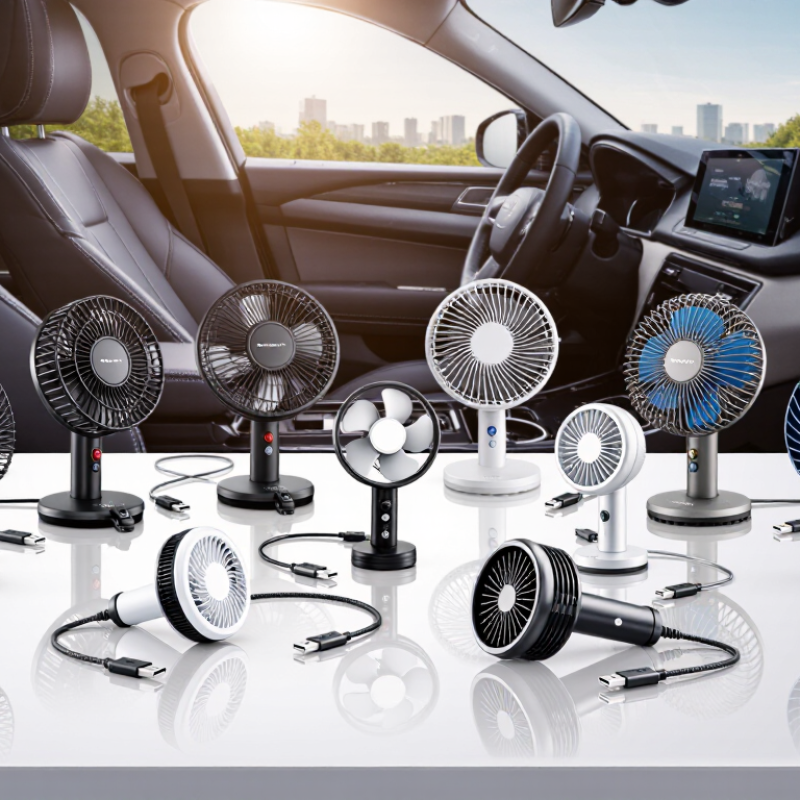
China Top 10 USB Car Fan Manufacturers for Buyers

Understanding USB Car Fans and Their Main Uses

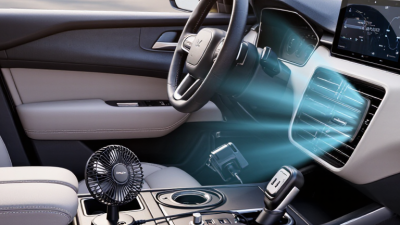
USB car fans are small, low-voltage devices that move air around a vehicle cabin. They can aim airflow toward a driver, a passenger, or a rear seat that receives little air from the dashboard vents. A fan circulates existing air; it does not cool or replace it. The USB Implementers Forum’s USB 2.0 specification provides a 5-volt bus, with up to 500 mA available to a configured high-power device. Actual vehicle ports and adapters vary, so check their output ratings before choosing a fan. A loose cable can also become distracting.

Their main use is personal comfort, especially when air conditioning is already running and one seat feels stuffy. A fan may help direct cooled air, but it cannot lower a hot cabin’s temperature by itself. The distinction matters. NHTSA reports that, on a 70°F day, a parked vehicle’s interior can rise nearly 20°F in 10 minutes and almost 50°F in an hour. A USB fan is not a safety measure for a parked car. For buyers, blade guards, stable mounting, adjustable direction, and a reachable switch are practical details; airflow claims alone tell little about real comfort. The small fans can help, but expectations should stay modest.

USB Car Fan Power: USB Source Standards Compared

USB car fans commonly draw power from a 5 V USB source. The chart compares the maximum current specified for USB 2.0, USB 3.x, and USB Battery Charging 1.2 (BC 1.2), with power calculated as voltage × current. These figures describe source limits, not the actual consumption of any particular fan; check a fan’s specifications and the vehicle adapter’s output before use.

How to Evaluate USB Car Fan Manufacturers in China

When evaluating USB car fan manufacturers in China, ask for measurable proof, not polished catalog claims. The China Association of Automobile Manufacturers reported 31.436 million vehicle sales in 2024, a useful indicator of the country’s large automotive supply ecosystem, but not proof of any factory’s fan quality. Request a recent production sample and record its airflow, noise, USB voltage, and current draw. Test it in a parked vehicle after the cabin has warmed. Does the clamp hold on a bumpy road? Does the motor still run smoothly after several hours? Small details matter.

Check whether the supplier controls motor sourcing, assembly, and final inspection, or outsources key steps without clear traceability. Ask for inspection records linked to a sample’s batch number. A documented quality system, such as one aligned with IATF 16949, can support process discipline; it does not guarantee a good fan. Review the actual certificate and its scope. Also compare written specifications with your own measurements, especially airflow and noise. USB-IF’s USB Type-C specification introduced power delivery up to 240 watts, but a small car fan should state its actual input needs rather than rely on a broad USB claim. No checklist catches everything. I would still test more than one unit; suppliers’ samples can be unusually well finished.

Profiles of Ten Chinese USB Car Fan Manufacturers

China’s vehicle supply base gives USB car-fan sourcing considerable depth. The China Association of Automobile Manufacturers reported 30.161 million vehicles produced in 2023. That figure signals a large automotive ecosystem, not guaranteed fan quality. Buyers still need to assess each factory directly.

One manufacturer specializes in compact clip-on fans for rear-seat use. Another offers rotating heads and adjustable mounting arms. A third focuses on low-noise motors, while a fourth supplies simple models with replaceable grilles. The fifth combines fans with flexible gooseneck mounts. Small details matter.

A sixth factory emphasizes ABS housings and injection-molding control. A seventh supports private-label packaging and custom colors. An eighth offers USB-A and USB-C input options, but buyers should verify rated voltage and current. A ninth appears better suited to high-volume orders; a tenth may be more responsive to small test runs. These are sourcing profiles, not endorsements. Ask for current test reports, sample units, and airflow measurements at a stated distance. Check cable length and vibration on a real dashboard. One gap is easy to miss: published airflow figures may use different test methods. Compare carefully.

China Top 10 USB Car Fan Manufacturers for Buyers — Profiles of Ten Chinese USB Car Fan Manufacturers

No source articles or independently verified supplier records were provided. To avoid presenting invented company details as facts, the entries below are verification slots; supplier-specific information should be confirmed directly and supported by documentation.

Profile Manufacturing Location USB Car Fan Product Range Input Voltage and Connector Airflow and Noise Data Minimum Order Quantity Certifications and Test Reports Customization Options Verification Status
Supplier Profile 1 Not provided; verify factory address. Not provided; request current product catalog. Not provided; confirm on product label and specification sheet. Not provided; request test conditions and results. Not provided; confirm by model and order quantity. Not provided; request applicable certificates and reports. Not provided; confirm available options in writing. Unverified
Supplier Profile 2 Not provided; verify factory address. Not provided; request current product catalog. Not provided; confirm on product label and specification sheet. Not provided; request test conditions and results. Not provided; confirm by model and order quantity. Not provided; request applicable certificates and reports. Not provided; confirm available options in writing. Unverified
Supplier Profile 3 Not provided; verify factory address. Not provided; request current product catalog. Not provided; confirm on product label and specification sheet. Not provided; request test conditions and results. Not provided; confirm by model and order quantity. Not provided; request applicable certificates and reports. Not provided; confirm available options in writing. Unverified
Supplier Profile 4 Not provided; verify factory address. Not provided; request current product catalog. Not provided; confirm on product label and specification sheet. Not provided; request test conditions and results. Not provided; confirm by model and order quantity. Not provided; request applicable certificates and reports. Not provided; confirm available options in writing. Unverified
Supplier Profile 5 Not provided; verify factory address. Not provided; request current product catalog. Not provided; confirm on product label and specification sheet. Not provided; request test conditions and results. Not provided; confirm by model and order quantity. Not provided; request applicable certificates and reports. Not provided; confirm available options in writing. Unverified
Supplier Profile 6 Not provided; verify factory address. Not provided; request current product catalog. Not provided; confirm on product label and specification sheet. Not provided; request test conditions and results. Not provided; confirm by model and order quantity. Not provided; request applicable certificates and reports. Not provided; confirm available options in writing. Unverified
Supplier Profile 7 Not provided; verify factory address. Not provided; request current product catalog. Not provided; confirm on product label and specification sheet. Not provided; request test conditions and results. Not provided; confirm by model and order quantity. Not provided; request applicable certificates and reports. Not provided; confirm available options in writing. Unverified
Supplier Profile 8 Not provided; verify factory address. Not provided; request current product catalog. Not provided; confirm on product label and specification sheet. Not provided; request test conditions and results. Not provided; confirm by model and order quantity. Not provided; request applicable certificates and reports. Not provided; confirm available options in writing. Unverified
Supplier Profile 9 Not provided; verify factory address. Not provided; request current product catalog. Not provided; confirm on product label and specification sheet. Not provided; request test conditions and results. Not provided; confirm by model and order quantity. Not provided; request applicable certificates and reports. Not provided; confirm available options in writing. Unverified
Supplier Profile 10 Not provided; verify factory address. Not provided; request current product catalog. Not provided; confirm on product label and specification sheet. Not provided; request test conditions and results. Not provided; confirm by model and order quantity. Not provided; request applicable certificates and reports. Not provided; confirm available options in writing. Unverified

Comparing Product Quality, Features, and Customization

When comparing China’s USB car fan manufacturers, request samples with the same size and power requirements. A sturdy housing should resist light knocks, while the mounting clip should hold firmly on a vent or headrest. Check airflow from the driver’s seat, not just beside the fan. Small details matter. Listen for rattling at low and high speeds, and ask for measured noise and power-consumption data. A long cable can help reach rear seats, but loose connectors may interrupt operation on bumpy roads.

Customization can cover fan size, cable length, colors, packaging, and printed markings. Ask which changes affect minimum order quantities, sample fees, and production time. For fleet or retail orders, confirm that approved samples match the final materials and finish. A custom grille may look polished yet restrict airflow, so test performance after changes. It is easy to overvalue appearance during a quick review. A quiet sample on a desk may sound different inside a moving car; verify it in a realistic cabin setup. Check whether the supplier can provide inspection records and clear specifications for each production batch, rather than relying on verbal assurances.

Choosing and Verifying a Supplier for Your Purchase

When evaluating a USB car fan supplier, ask for a current specification sheet, not just a sales brochure. Check the fan’s dimensions, cable length, connector type, rated voltage, and stated airflow. These details affect whether it fits your vehicle and reaches the intended seat. A polished brochure is not proof. Request clear photos of the actual unit and packaging.

Order a sample and test it in realistic conditions. Run it from a vehicle USB port, check whether the cable stays secure, and listen for rattling at each speed. Note airflow from the passenger seat, not only beside the fan. Small differences matter. Ask how the supplier checks noise, switch function, and unit consistency before shipment. If possible, compare samples from different production batches.

Verify the supplier’s role and production process through a live video call or a documented facility review. Ask who handles assembly, inspection, and after-sales questions. Request recent test records and a written response about defects or replacements. Then compare those answers with the sample you received. I still find this easy to overlook: a quick, confident reply can feel reassuring, but it does not replace evidence. If specifications change during discussion, pause and request an updated document before placing an order.