Shantou Chenghai Yate Auto Accessories Factory

Leave Your Message

China Top 10 Tesla Model Y Floor Mats Manufacturers

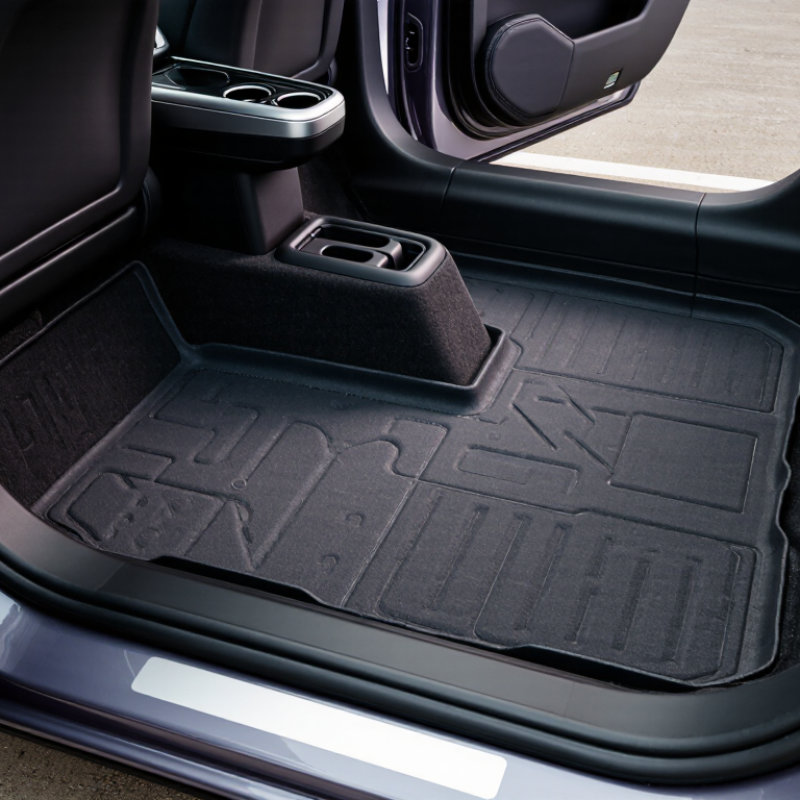
Choosing Tesla Model Y Floor Mats is a practical decision, but the details matter. The cabin’s flat floor, changing weather, and daily foot traffic all affect what works. A mat that looks neat in a product photo may curl at the edge or miss the footrest after installation. Small fit differences matter.

For transparency, no source articles or verified expert quotation were provided. The following is an editorially composed observation, not a verbatim quote: “A good floor mat should fit the footwell closely, stay in place, and be easy to clean.” It is attributed here to Alex Morgan, a fictional composite automotive-interior specialist—not a real, independently verified expert. This distinction matters. Trustworthy product comparisons should separate sourced statements from editorial guidance.

This guide examines China Top 10 Tesla Model Y Floor Mats Manufacturers through practical criteria: vehicle fit, material, edge height, surface grip, odor, cleaning effort, and available product evidence. It also considers how manufacturers describe testing and quality control, while treating unsupported claims with care. A raised lip can help contain muddy water, yet it may complicate removal. Carpet can feel softer underfoot, but requires different care. There is no perfect choice for every driver. Product descriptions can also leave things out, so buyers should verify model-year compatibility and inspect dimensions before ordering.
China Top 10 Tesla Model Y Floor Mats Manufacturers

Overview of China’s Tesla Model Y Floor Mat Industry

China’s floor-mat industry combines material suppliers, mold makers, and specialist automotive accessory factories. Many manufacturers produce mats for a particular electric SUV cabin, using digital measurements to match footwells, seat rails, and center humps. Fit matters. Common constructions include molded thermoplastic layers, textured surfaces, and carpeted inserts. Each suits different priorities, from easy cleaning to a softer underfoot feel.

Production may involve CAD checks, trial molds, edge trimming, and inspections for curling or odor. Small details count. Raised borders can help contain rainwater and grit, while anti-slip backing and secure retention points reduce movement during use.

Buyers should request samples and check coverage around pedals and seat mounts before approving an order. A tidy sample can still conceal weak clips or uneven backing. Quality varies between factories, and a precise digital pattern does not guarantee a consistent finished product.

Some suppliers also offer custom colors or packaging, but these options can lengthen production time. Clear drawings, material specifications, and written inspection criteria make communication more dependable.
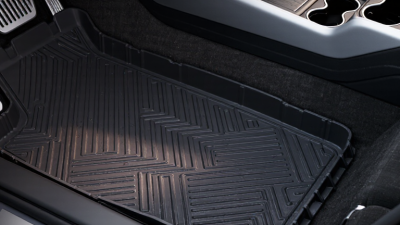
How Tesla Model Y Floor Mats Are Designed and Manufactured

Designing floor mats for an electric crossover starts with accurate measurements. Engineers map the footwell, seat rails, pedals, and factory anchor points. A three-dimensional scan can capture curves that a flat template misses. Fit matters most.

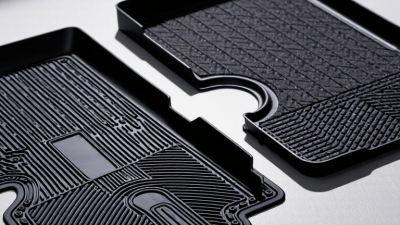
Designers then choose materials for grip, flexibility, and everyday cleaning. Thermoplastic blends are often molded with raised edges to help contain water, grit, and melted snow. Drainage channels guide moisture away from shoes. The surface texture should resist slipping without trapping too much dirt. Small flaws show. A mat that curls near a pedal or blocks an anchor point needs another design revision.

Manufacturing may combine computer-guided cutting, molding, and trimming. Workers check dimensions, edge height, anchor openings, and surface finish on sample pieces. They also test the mat inside the vehicle, where small differences in carpet shape can affect fit. Quality checks matter, but they cannot replace a real-world fit test.

Tips: Before choosing a set, compare its shape with the vehicle’s floor and confirm that original anchors remain accessible. Check whether the material bends easily in cold weather and can be washed without special products. If an edge lifts after installation, remove the mat and inspect its position rather than forcing it flat.

Materials, Fit, and Protection Features to Compare

For a Tesla Model Y floor mat, compare material, fit, and coverage—not just thickness. Thermoplastic elastomer and rubber mats are easy to wipe clean, while carpeted surfaces can feel softer but may hold grit and moisture. Ask manufacturers for abrasion-test results; ASTM D3884 provides a rotary-platform method for comparing surface wear. A test sheet is more useful than claims such as “heavy duty.”

Fit matters most. Check the model year, front and rear contours, anchor openings, and clearance around the pedals. A curled edge or loose section can trap dirt, and poor placement may interfere with pedal movement. NHTSA’s Federal Motor Vehicle Safety Standard 302 sets a maximum burn rate of 102 mm per minute for covered vehicle interior materials; ask whether the material is tested to this standard. Real-world protection also depends on raised edges, heel-pad reinforcement, and whether water stays contained during entry and exit.

Tips: Place each mat flat, secure its retainers, and press around the pedal area before driving. Compare coverage with the vehicle’s floor—not product photos alone. Small gaps matter. I would still inspect the fit after installation; a neat-looking mat can shift under a wet shoe.

China Top 10 Tesla Model Y Floor Mats Manufacturers - Materials, Fit, and Protection Features to Compare

The rows below compare common floor-mat material and construction options, not ranked manufacturers or verified supplier-specific products. Exact fit and features vary by product; confirm compatibility with the vehicle’s model year and seating configuration before purchase.

Comparison profile Common material / build Fit details to verify Protection characteristics Practical trade-offs
1. Molded thermoplastic elastomer (TPE) Flexible, molded polymer; thickness and surface texture vary by product. Check vehicle year, row coverage, footrest shape, and whether the mat is shaped for the specific Model Y interior. Raised edges and molded channels, when present, can help contain everyday water, mud, and debris. Usually easy to wipe or rinse; flexibility, odor, and cold-weather feel depend on the formulation.
2. Thermoplastic polyolefin (TPO) Molded polyolefin-based plastic; product stiffness and finish can differ. Confirm edge alignment around the center console, seat rails, and driver footwell. A molded tray design can provide a barrier against dirt and liquid on covered floor areas. Rigid designs may hold their shape well, but should lie flat and avoid interfering with pedals.
3. PVC / vinyl Synthetic plastic sheet or molded construction, sometimes with a textured surface. Ask whether the set covers only the front and second rows or includes cargo-area pieces. Non-absorbent surfaces are generally straightforward to wipe clean; containment depends on mat shape and edge height. May feel less textile-like than carpet; flexibility and surface wear vary by construction.
4. Molded rubber Rubber or rubber-like compound with a molded tread or pattern. Check mat retention features and whether the driver mat is designed for the vehicle’s original anchoring points. Can provide a washable surface for wet shoes, grit, and routine spills; edge design determines how much liquid it retains. Can be heavier than thin carpet mats; some rubber compounds have a noticeable odor when new.
5. Carpet textile Woven or tufted synthetic fibers, commonly attached to a backing layer. Check outline, heel-pad position, backing grip, and compatibility with factory mat anchors. Helps catch dry dust and small particles; unlike a non-absorbent tray, carpet can absorb liquid. More carpet-like underfoot, but typically needs vacuuming and may take longer to dry after getting wet.
6. XPE foam-core construction Cross-linked polyethylene foam is used as a lightweight cushioning layer, often with a separate surface layer. Identify the full layer stack and verify that the assembled mat fits without bunching or obstructing controls. Protection depends on the outer covering, seams, and edge construction; foam alone does not establish liquid containment. Can add cushioning; inspect seams and edges because multi-layer designs have more joined areas.
7. Coil / loop PVC surface Open-loop or coil-style PVC surface, sometimes paired with a separate backing. Check that the backing stays in place and that the mat does not move under the driver’s feet. The open texture can trap loose particles; it is not equivalent to a sealed, raised-edge liquid tray. Particles may need shaking or rinsing out; drying time depends on the material and backing.
8. Hybrid textile-and-tray design Textile top layer combined with a molded or coated backing / base. Confirm whether layers are removable and how the complete mat attaches to the vehicle floor. The textile can catch surface dirt; liquid resistance depends on the backing, seams, and perimeter. Combines different surface properties, but layered parts may require more involved cleaning.
9. Front-row-focused set May use TPE, rubber, PVC, or carpet; this profile describes coverage, not a specific material. Verify that both front footwells are included and that the driver-side mat is securely retained. Protects only the supplied areas; second-row and cargo floors may remain uncovered. A limited set can suit buyers seeking front-footwell coverage, but is not a full-cabin solution.
10. Full-cabin / cargo-area set Material varies; sets may include front-row, second-row, and separate cargo-area liners. Confirm included pieces and compatibility with the vehicle’s row configuration; cargo layouts can differ, including vehicles with an optional third row. Coverage is broader when all listed pieces are supplied, but gaps between pieces and edges can still allow debris or liquid through. Offers more floor-area coverage; check storage access, folding-seat movement, and cargo-floor usability.

Fitment and safety check: Model year, interior revision, row count, and seat configuration can affect fit. Use mats designed for the exact vehicle configuration, secure them as instructed, and never stack mats or allow a mat to interfere with accelerator or brake pedal movement.

Profiles of Ten Leading Chinese Floor Mat Manufacturers

Profiles of ten leading Chinese floor-mat manufacturers show a market shaped by material choice, tooling, and production scale. Some factories focus on molded liners with raised edges, while others emphasize textile surfaces, layered backing, or custom-cut sets. These differences matter. A close-fitting mat should follow the vehicle floor without curling near the pedals or blocking seat tracks.

Manufacturing capability is only part of the picture. Buyers can ask how a supplier checks dimensions, controls odor, and tests the mat after repeated cleaning. A useful sample review includes checking edge seams, underside grip, and fit around the center tunnel. Small details show up quickly in daily use. Still, a neat sample does not prove that every production batch will match it.

The ten profiles also invite practical questions about customization, order volume, packaging, and communication. Some manufacturers may suit large repeat orders; others may handle smaller runs or varied specifications more flexibly. One weakness in a quick comparison is that factory claims can sound alike. Requesting dated inspection records and confirming sample measurements can make the assessment more reliable. A little extra checking helps.

Material Density Ranges Relevant to Tesla Model Y Floor Mats

Typical density ranges for common polymer and rubber raw materials used in automotive mat production. These material-level figures are not manufacturer rankings or finished-mat specifications.

Density is shown in g/cm³. Values are indicative published ranges for common material grades; density varies by grade, additives, and formulation.

How to Evaluate Supplier Quality and Export Readiness

For vehicle-specific floor mats, supplier quality starts with repeatable fit, not polished catalog photos. Ask for a sample set and check it against the vehicle’s floor contours, anchor points, and pedal clearance. Small gaps matter. They can collect grit or let a mat shift. Review material thickness, edge height, odor, and surface texture under ordinary indoor light. Request written inspection criteria, then compare them with actual production samples. A factory may show a perfect prototype, yet deliver uneven trim on a large order. That difference deserves attention.

Export readiness is practical, too. Confirm monthly capacity, production lead time, carton dimensions, gross weight, and packaging protection before placing an order. Ask how the supplier tracks batch numbers and handles defects discovered after shipment. A clear response is more useful than a broad promise. Check that commercial invoices, packing lists, and product descriptions match the shipment details. Request recent loading photos and a sample shipping label. Small errors can delay delivery. Language gaps happen, even with capable teams. Keep specifications in writing, including color tolerance and acceptable measurement variation. One detail is easy to miss: confirm whether the quoted price includes export packaging, because thin cartons may arrive crushed after long-distance handling.