Shantou Chenghai Yate Auto Accessories Factory
Leave Your Message

2026 Top Tesla Model Y Floor Mats for Global Buyers

Choosing the right Tesla Model Y Floor Mats in 2026 is not only about appearance. A practical set must handle rain, dust, snow, sand, and everyday spills without disturbing the vehicle’s clean interior. Global buyers also face different climates, road conditions, delivery standards, and vehicle configurations.

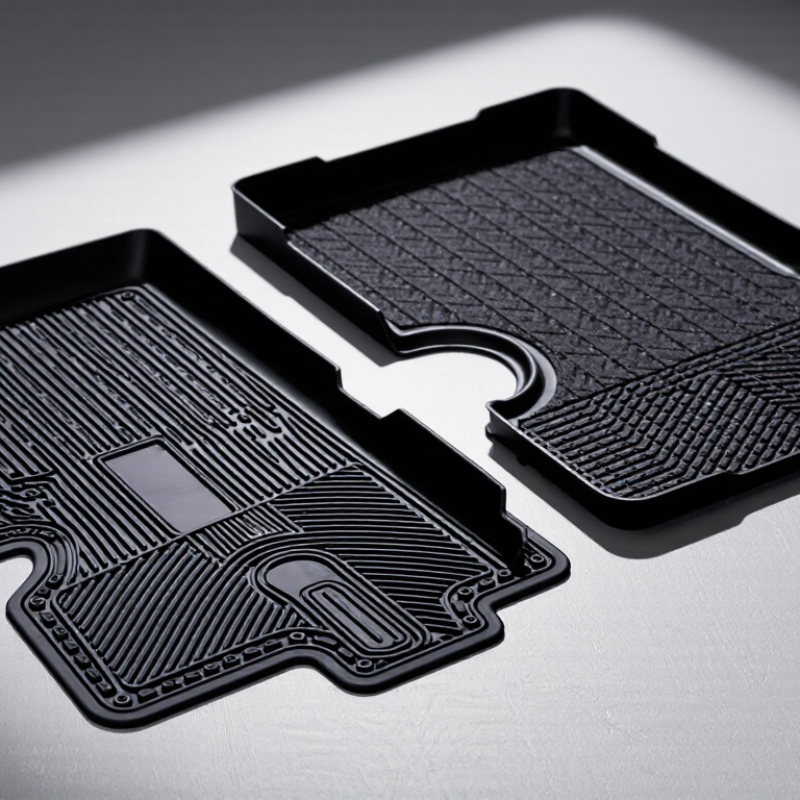
This guide examines leading floor mat options through fit, material quality, edge coverage, grip, cleaning effort, and long-term durability. Hands-on checks matter here. A mat should sit flat around the accelerator, cover the front footwell corners, and remain stable during repeated entry and exit. Raised lips can hold melted snow or a spilled coffee near the door sill. That detail often matters more than a glossy product photo.

Fit can vary between Model Y versions, production years, seating layouts, and regional specifications. Some products may suit five-seat vehicles but leave gaps in another configuration. No ranking is perfect. Even a highly rated mat can feel too rigid in a hot climate or less flexible in freezing weather. Buyers should confirm their vehicle year, row layout, steering position, and cargo requirements before ordering.

The selections in this article focus on dependable use rather than exaggerated claims. Materials, odor, installation, and return support deserve equal attention. A low price may become inconvenient when shipping is expensive or replacement coverage is unclear. Careful comparison helps buyers choose Tesla Model Y Floor Mats that protect the cabin, simplify cleaning, and remain useful through changing seasons. Small details count.

2026 Top Tesla Model Y Floor Mats for Global Buyers

Tesla Model Y Floor Mat Types and Material Choices for 2026

For a 2026 electric midsize SUV, floor-mat choice should follow climate, footwear, and cleaning habits. The International Energy Agency’s Global EV Outlook 2025 reported over 17 million electric cars sold in 2024. That expanding market increases demand for practical interior protection. TPE mats suit rainy regions because their raised edges contain water, mud, and melted snow. They also resist cracking better than ordinary PVC in changing temperatures. However, very soft TPE can retain dust in deep grooves. It needs regular rinsing.

Carpet mats feel quieter and more refined. Nylon or polyester fibers work well in dry climates, especially with a dense, low-profile weave. The U.S. Environmental Protection Agency’s 2023 Automotive Trends Report shows continued attention to vehicle efficiency and material impacts. Lighter mats may support efficiency, but the difference is modest. Recycled PET offers a useful balance between appearance and resource reduction. Rubber provides strong abrasion resistance, yet it may release a noticeable odor when new. That detail is easy to overlook.

Fit matters most. A mat should follow the footwell shape, avoid pedal interference, and lock securely against movement. Independent testing should check slip resistance, water retention, odor, and temperature cycling. ASTM International test methods can support more consistent comparisons, although they do not guarantee every product’s real-world performance. My practical reservation is simple: maximum coverage is not always better. Tall edges can complicate removal, and one-piece designs may become awkward after a muddy weekend. Test the front-seat clearance before choosing a full set.

2026 Tesla Model Y Floor Mat Types and Material Choices

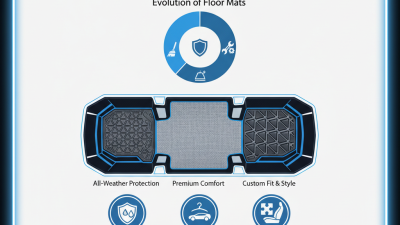
This comparison uses a practical 1–5 suitability index for common floor-mat materials. A higher score indicates stronger general performance in the listed area. TPE and rubber are typically preferred for wet-weather protection and easy cleaning, while carpet prioritizes a softer interior feel. EVA is lightweight and provides strong cushioning.

How to Match Floor Mats with Model Y Trims and Interior Layouts

Choosing floor mats for a 2026 Model Y starts with the interior layout, not the color. I have fitted mats in both left-hand-drive and right-hand-drive cabins, and small differences matter. Check the driver-side pedal area carefully. A mat that fits the front edge may still interfere with the accelerator or seat rail.

Trim levels can change floor contours, fastening points, and rear-seat clearance. Base interiors may use a simple one-piece rear mat, while upgraded cabins often need separate pieces around seat tracks. For a five-seat layout, measure the rear footwell and center hump. If your vehicle has a different seat configuration, verify the second-row folding path before ordering. It should fold without lifting the mat.

Material affects daily comfort. Thermoplastic mats suit wet climates and trap sand around raised edges. Carpet mats feel quieter but need more frequent cleaning. In snowy regions, deep channels help, although they can become difficult to empty. Check the retention clips, heel pad, and door-side coverage by hand. Do not trust photos alone.

Measure twice. I once chose a cargo liner that covered the trunk floor but blocked a storage compartment. That mistake was avoidable. A split cargo mat usually works better when the rear seats fold independently. Leave space around hinges, emergency access points, and removable panels. Regional production changes can occur, so the vehicle’s exact year, drive position, and interior layout deserve more attention than marketing labels.

2026 Top Tesla Model Y Floor Mats for Global Buyers - How to Match Floor Mats with Model Y Trims and Interior Layouts

Buyer Configuration Interior Layout Floor-Mat Zones Required Key Fit Dimensions to Verify Recommended Mat Coverage Global Compatibility Checks Purchase Specification
Five-seat, left-hand-drive vehicle Two front seats, one second-row bench, and a rear cargo area. The second-row backrest folds to enlarge the load floor. Front driver Front passenger Second-row left Second-row center Second-row right Cargo floor Confirm the driver-side shape, pedal clearance, seat-rail openings, door-sill contour, and the position of the original retention points. The accelerator and brake pedal area must remain completely uncovered. Use a molded front set with a raised perimeter and a single-piece second-row mat if the center tunnel and seat-rail geometry allow it. Add a separate cargo liner for luggage, groceries, or sports equipment. Select left-hand-drive or right-hand-drive geometry separately. Do not assume that a driver mat designed for one steering layout will match the opposite layout. Full five-seat cabin set plus cargo liner; model-year-specific front mats; non-slip backing; factory retention compatibility; removable second-row coverage.
Five-seat, right-hand-drive vehicle The seating layout remains two rows, but the driving position and pedal area are on the opposite side from a left-hand-drive vehicle. Right-side driver Front passenger Second row Cargo floor Check the right-side pedal pocket, accelerator-side clearance, seat-base trim, door-side raised edge, and retention-hole location. Compare the actual vehicle floor before ordering. Choose a dedicated right-hand-drive front driver mat. Rear and cargo pieces may be shared only when the floor shape and cut-outs are confirmed to be identical. Common right-hand-drive markets include the United Kingdom, Ireland, Australia, New Zealand, Japan, and several Southern African and Asian markets. Local model-year specifications can still differ. Right-hand-drive front pair; rear-row coverage; cargo protection; raised side walls; clear pedal and seat-adjustment movement.
Five-seat vehicle with frequent rear-seat use The rear bench is used daily by passengers, so coverage around the center floor, lower seat fronts, and door entries is important. Full front row Full rear row Door-entry edges Verify the center tunnel width, rear seat-rail access, seat-belt buckle clearance, and the distance between the front seat bases and the second-row footwell. Prefer a rear mat that reaches beneath the front-seat lower edges without blocking seat travel. A one-piece rear design reduces exposed gaps between passenger footwells. Confirm that the mat does not cover child-seat anchorage access, seat-belt buckle receivers, or any required floor-mounted ventilation openings. High-coverage rear piece; waterproof surface; easy-clean channels; anti-slip underside; no interference with folding rear seatbacks.
Five-seat vehicle with rear seats frequently folded The second-row backrests are folded to create a longer, flatter loading surface for boxes, luggage, or outdoor equipment. Cabin floor Cargo floor Seatback loading area Check the cargo-floor width, rear threshold shape, seatback hinge clearance, side-wall contours, and access to the underfloor storage compartment. Use a cargo liner with a foldable extension or a split design when the rear seatbacks are regularly used in both upright and folded positions. The cargo liner must not obstruct the liftgate closing path, removable floor panels, tie-down points, or underfloor storage lid. Reversible or folding cargo liner; raised outer lip; anti-skid surface; washable material; access flap for storage compartments.
Seven-seat configuration where available Two front seats, a second-row bench, and a compact third-row seating area. Availability depends on market, production period, and vehicle configuration. Front row Second row Third-row footwells Cargo area Verify the presence of the third-row seats, second-row sliding movement, third-row entry path, seat-rail positions, and the reduced cargo-floor area behind the third row. Select a complete three-row set. Use a cargo piece designed for the third-row upright position rather than a five-seat cargo liner that extends too far forward. Do not order a seven-seat set solely from exterior vehicle dimensions. Third-row availability and floor geometry can vary by market and production period. Three-row cabin set; third-row entry clearance; split cargo coverage; fold-compatible rear pieces; unobstructed seat-release handles.
Vehicle with a glass roof and dark interior Interior trim color does not normally change the floor outline, but dark carpets show dust, salt, sand, and pet hair more visibly. All passenger footwells Front thresholds Cargo area Prioritize edge height, surface texture, and the amount of exposed carpet around the seat bases and door openings. Choose a deep-channel design with a raised perimeter and a surface that can be removed without spilling collected debris into the carpet. In regions with snow, road salt, or heavy rain, confirm that the material remains flexible at low temperatures and resists water leakage at the edges. High-wall all-weather set; textured channels; easy removal; low- temperature flexibility; stain-resistant surface.
Hot, humid, or coastal climate Moisture, sand, sunscreen, and wet footwear can accumulate in both front and rear footwells. Front footwells Rear footwells Cargo area Inspect the raised lip height, drainage-friendly channel layout, underside ventilation, and resistance to warping under heat. Use waterproof or water-resistant molded mats with sealed edges. Include a cargo liner when wet items, beach gear, or gardening equipment are transported. Avoid materials that become soft, curl upward, or release strong odors after prolonged exposure to direct sunlight. UV-resistant material; waterproof construction; stable backing; easy-rinse surface; heat-resistant shape retention.
Cold, snowy, or muddy climate Snow, ice melt, mud, and road salt create a high liquid and debris load in the front footwells. Front driver Front passenger Rear row Cargo threshold Verify deep containment, door-side wall height, heel-pad strength, pedal clearance, and flexibility below freezing temperatures. Select a rigid or semi-rigid molded design with tall side walls and channels that keep liquid away from carpeted edges. Ensure the mat can be removed for cleaning without catching on retention points or damaging the carpet around the seat rails. Deep-well all-weather construction; reinforced driver heel area; cold-flexible material; anti-slip backing; salt-resistant surface.
Family, pet, or high-use interior Frequent entry and exit increases wear near the driver heel area, second-row door openings, and cargo threshold. Driver heel zone Second-row entries Cargo threshold Seatback area Check abrasion resistance, edge stiffness, cleaning access, pet-hair release, and whether the rear mat remains flat under child seats. Combine a reinforced front driver mat, broad rear coverage, and a cargo liner with a protected loading lip. Keep child-seat anchor points, seat-belt buckles, and seat-folding mechanisms accessible. Avoid loose overlays that can slide forward. Reinforced heel pad; stain-resistant finish; washable surface; secure retention; broad rear and cargo coverage.
Used or imported vehicle with uncertain model year Vehicles with similar exterior dimensions may have different floor contours, retention points, seat layouts, or cargo-floor arrangements. VIN/model-year check Front row Rear row Cargo area Record the model year, seating capacity, steering side, seat configuration, and photographs of every floor section before ordering. Choose a set explicitly listed for the same generation, production period, seating layout, and steering position. Avoid universal mats when precise coverage is required. Confirm local registration details and whether the vehicle was produced for a different regional market. Imported vehicles may differ from locally supplied versions. Generation-specific fit; exact seating confirmation; left- or right-hand-drive selection; retention-point match; return option.
Final fit and safety inspection Correct fit is more important than material or appearance because a loose front mat can interfere with pedal operation. Pedal clearance Seat travel Retention Door closure With the vehicle parked, move both front seats through their full travel, press every pedal repeatedly, fold the rear seats, and inspect all edges and fastening points. Keep the mat flat, fully seated, and locked to the intended retention points. Trimmed or folded edges should not be used as a substitute for correct fit. Recheck after cleaning and after transporting heavy cargo. Replace any mat that curls, slides, cracks, or prevents normal seat or pedal movement. Secure retention; unobstructed pedals; no curled edges; no blocked seat rails; no interference with doors, storage lids, or seatbacks.
Fit note: Model Y floor geometry can vary by production period, seating capacity, steering position, and regional specification. Before purchasing, compare the product template with the vehicle’s actual front footwells, rear floor, retention points, seat rails, and cargo-floor arrangement.

Key Features for Weather Protection, Safety, and Daily Comfort

2026 Top Tesla Model Y Floor Mats for Global Buyers

Key Features for Weather Protection, Safety, and Daily Comfort

A dependable floor mat should manage rain, snow, sand, and spilled drinks without shifting. The World Meteorological Organization reported 2023 as the warmest year recorded, with extreme rainfall affecting many regions. Global buyers should therefore choose deep channels, raised edges, and waterproof materials. These details help contain water before it reaches carpet, wiring, or trim.

Fit matters more than appearance. The National Highway Traffic Safety Administration warns that unsecured or overlapping mats can interfere with accelerator and brake pedals. A precise, vehicle-specific shape reduces that risk. Check the driver-side anchors after installation. Do not rely on friction alone. That assumption needs checking.

For daily comfort, thermoplastic rubber or similar low-odor compounds offer useful resilience. Look for textured surfaces that reduce shoe movement, even with wet footwear. A removable design also makes cleaning easier after muddy commutes. Research from the U.S. Environmental Protection Agency links indoor chemical exposure to product emissions, so low-emission materials deserve attention in enclosed cabins. Certification claims should be verifiable, not decorative language.

Small details count. A raised heel pad can reduce wear during long drives. A flexible edge helps mats sit flat in changing temperatures. Yet no mat is maintenance-free. Remove it regularly, inspect the anchors, and clear trapped grit. I prefer practical protection over glossy styling, though durability still depends on local climate and cleaning habits.

Global Fitment, Climate Needs, and Regional Buying Considerations

For global buyers, the best 2026 floor mat is not simply the thickest option. It must match the vehicle’s exact model year, body configuration, and footwell shape. I have seen mats that looked correct online but curled near the pedals after installation. That small gap can trap grit and moisture. Verify measurements, retention points, raised edges, and rear-seat coverage before ordering. Check twice.

Climate changes the practical choice. In snowy regions, deep channels and waterproof rubber-like materials help contain slush, salt, and melting ice. Hot, dry areas need surfaces that resist cracking, fading, and fine dust.

Tropical buyers should look for drainage-friendly designs, quick drying, and odor control. Heavy mats may feel secure, yet they can be awkward to remove for frequent cleaning. A lighter set may work better for apartment parking or shared vehicles.

Regional purchasing also deserves attention. Confirm shipping dimensions, return terms, taxes, and local delivery support before payment. Product photos can hide differences in left-hand and right-hand drive layouts. Ask for a fitment diagram, not only a vehicle name. Independent reviews are useful when they mention months of use, edge lift, cleaning effort, and winter performance. Still, reviews vary by climate and maintenance habits. My own preference has changed: maximum coverage is not always the most comfortable choice, especially when rear passengers need easy access.

Care, Replacement, and Long-Term Value of Tesla Model Y Floor Mats

For global buyers, floor mats are more than cabin accessories. They protect carpeting from rain, sand, snow, and spilled drinks. A well-fitted mat should stay flat around the pedals and locking points. Check those areas by hand after installation. Small movement can become a safety concern.

Daily care is simple but consistent. Remove the mats weekly in wet climates, then shake out loose grit. Rinse rubber or thermoplastic mats with clean water and mild soap. Avoid harsh solvents, stiff metal brushes, and high heat. Dry both sides completely before reinstalling them. Moisture trapped underneath can create odors and discoloration. Fabric mats need slower cleaning. Vacuum first, blot stains, and never soak the backing unnecessarily.

Replacement depends on wear, not age alone. Deep grooves, curled edges, cracked surfaces, or faded attachment points indicate reduced protection. Measure the original mat before ordering a replacement for another market. Left-hand and right-hand drive layouts may differ. Climate also matters. Flexible rubber performs well in snow, while carpet can feel quieter in dry regions. My first replacement choice focused only on appearance, which was a mistake. The edge lifted near the footrest. Long-term value comes from accurate fit, easy cleaning, and durable materials, not a glossy finish. Keep the old set until the new one is tested during a full week of driving.