How to Choose the Best Outdoor Fan for Your Space?
Choosing the right outdoor fan can transform your space. An outdoor fan not only cools you down but enhances the ambiance. With various options available, the selection process can feel overwhelming.
Consider factors like size and style before making a decision. An outdoor fan needs to fit your space and complement your decor. Look for fans designed to withstand outdoor conditions. Weather-resistant materials are essential for longevity.
Research is crucial; read reviews and expert recommendations. Your chosen outdoor fan should provide reliable performance. Pay attention to the noise level, too. A whisper-quiet fan might be ideal for serene evenings. Remember, the best choice is the one that meets your unique needs.
Factors to Consider When Choosing an Outdoor Fan
When choosing an outdoor fan, several factors come into play. The size of your space matters greatly. A compact patio may require a smaller fan, while a large deck may need a more powerful unit. Consider the fan's airflow. Measured in CFM, a higher number indicates stronger airflow. You want to feel a breeze, but too much can be disruptive.
Durability is essential for outdoor fans. Look for weather-resistant materials. An aluminum fan may withstand rain better than plastic. Think about the blade design. Wider blades can move more air, but they also may require more power. A balance between power and efficiency is crucial.
Lastly, noise levels can affect your outdoor experience. Some fans operate quietly, while others can be noisy. Research noise ratings and customer reviews before making a decision. It’s important to reflect on your specific needs. Assess what will work best for your lifestyle and preferences. Finding the right fan can enhance your outdoor enjoyment significantly.
How to Choose the Best Outdoor Fan for Your Space?
| Factor |
Description |
Recommendation |
| Size |
Consider the area you want to cool; calculate the square footage. |
Choose a fan with appropriate capacity for your space. |
| Material |
Outdoor fans are usually made from weather-resistant materials. |
Opt for materials like stainless steel or durable plastic. |
| Style |
Choose a style that complements your outdoor decor. |
Look for modern or rustic designs based on your preference. |
| Power Source |
Fans can be electric, solar-powered, or battery-operated. |
Choose based on your accessibility to power sources. |
| Noise Level |
Some fans can be quite noisy; consider where the fan will be placed. |
Look for models with quieter operation features. |
| Additional Features |
Some fans come with remote controls, timers, and oscillation. |
Evaluate which features add value for your use. |
Types of Outdoor Fans Available in the Market
When selecting outdoor fans, it is essential to understand the types available. There are various categories, each catering to different needs.
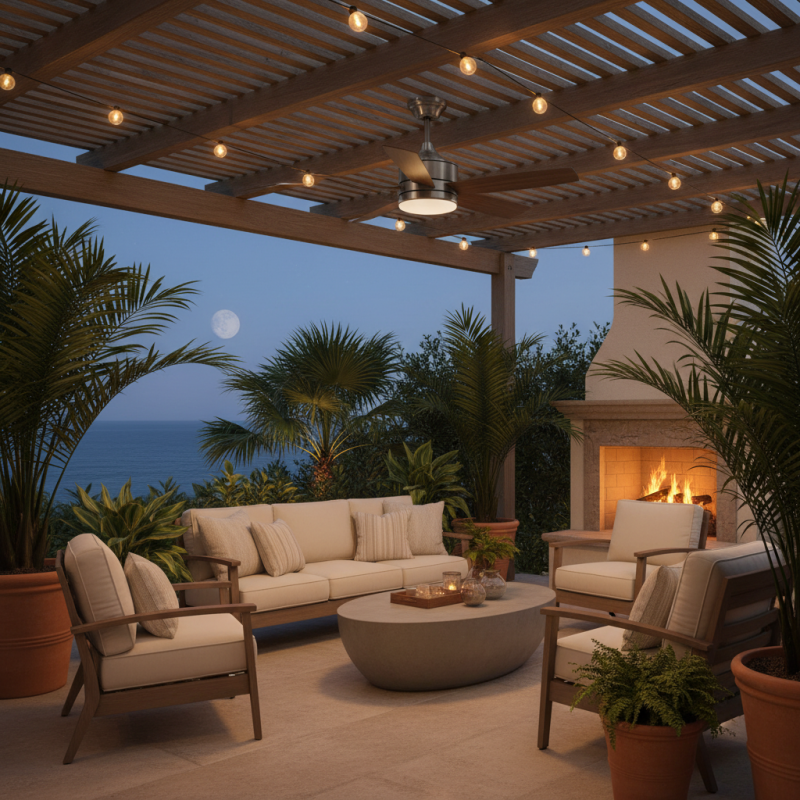
Ceiling fans are a popular choice for patios and verandas. They circulate air effectively while providing a stylish look.
However, installation can be complicated and may require electrical work.
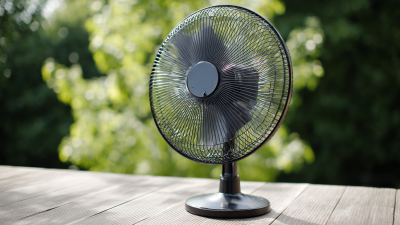
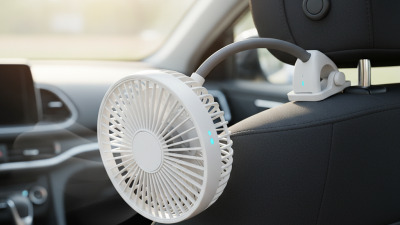
Another option is portable outdoor fans. These fans are easy to move, making them suitable for gatherings. They come in various designs, including oscillating fans and misting fans.
Misting fans add a cooling effect through fine water mist, which can make a significant difference on hot days. Yet, these fans may require a water source and maintenance.
Wall-mounted fans offer a great solution for limited space. They can provide consistent airflow without occupying the floor area. However, the airflow direction might be less adjustable compared to other types.
Consider your needs and layout before making a decision. Each type has its pros and cons, and reflecting on these can lead to a more informed choice.
Determining the Appropriate Size for Your Outdoor Space
Choosing the right size for your outdoor fan is crucial.
The right fan can enhance comfort without overwhelming your space. It’s essential to consider your area’s dimensions and layout.
A fan that is too small may struggle to circulate air effectively. Conversely, an oversized fan can dominate the aesthetic and make the space feel cramped.
Measure the area where you intend to place the fan. For small patios or balconies, a fan with a blade span of 36 inches or less may suffice.
For larger spaces, such as decks or open-air restaurants, consider fans with larger blade spans of 52 inches or more.
Placement matters too. Positioning your fan in a corner can improve airflow throughout the space. However, don’t forget about the height of the fan;
it should be installed at least 8 feet above the ground for optimal performance.
Consider the fan's features and specific uses. If you entertain frequently, a high airflow option may be necessary.
For quieter evenings, a fan with lower speed settings could be more suitable. Always think about the balance between
efficiency and aesthetics. Reflecting on these aspects will help you choose wisely for your outdoor area.
Evaluating Energy Efficiency and Performance Ratings
When selecting an outdoor fan, energy efficiency should be a key consideration. Look for fans with high Energy Star ratings. These fans save electricity and lower your utility bills. Performance ratings also matter. A fan with high airflow efficiency can cool larger spaces more effectively. Investigate the fan's CFM (cubic feet per minute) rating to gauge its performance.
Another detail to consider is noise levels. Some fans operate quietly, while others produce noticeable sound. Assess where the fan will be used. If it's near a seating area, noise could be distracting. On the flip side, a more powerful fan may have some sacrifices in noise. Balancing performance and comfort is essential.
Even with careful evaluation, factors like personal preference and weather conditions play roles in decision-making. Your location might demand a fan that withstands specific outdoor conditions. Researching different materials will help. Metal can be sturdy but may rust, while plastic may not be as durable. There’s no one-size-fits-all solution, so consider all variables thoughtfully.
Energy Efficiency and Performance Ratings of Outdoor Fans
Design and Aesthetic Considerations for Your Outdoor Area
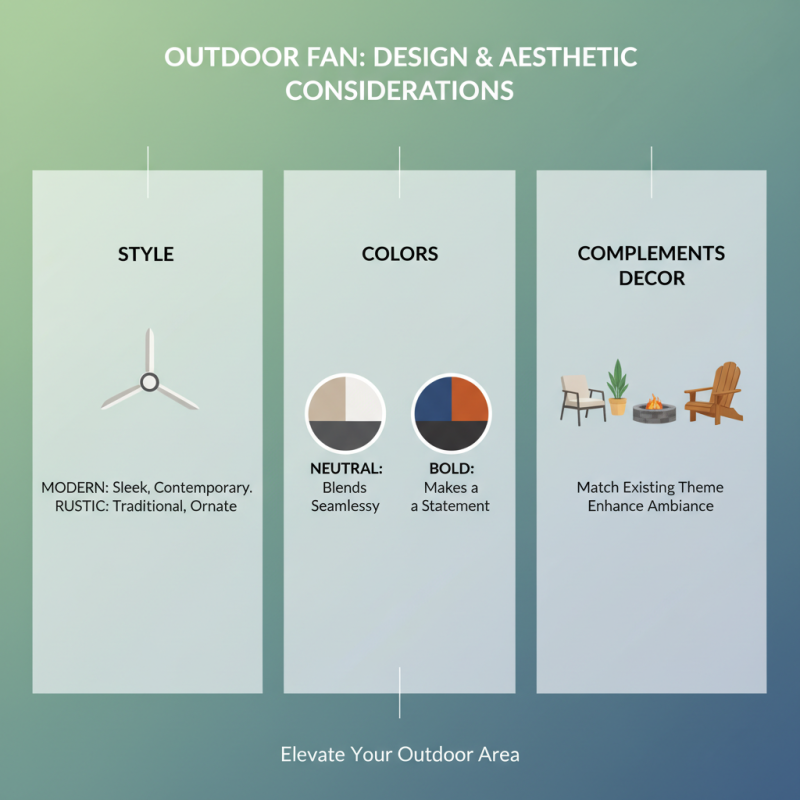
When choosing an outdoor fan, design and aesthetics play a crucial role. The fan should complement your existing outdoor decor. For instance, a sleek, modern fan suits contemporary spaces, while a rustic design works well in more traditional settings. Colors matter too; neutral tones can blend seamlessly, while bold colors can make a statement.
Tips: Choose materials that resist outdoor elements. Stainless steel and high-quality plastics often endure better than others. Consider fan sizes relative to your space. A large fan may overwhelm a small setting, while a tiny fan might not circulate air effectively in a larger area.
Lighting is another factor. A fan with integrated lights provides dual functionality. This can enhance the atmosphere, especially during evening gatherings. However, be mindful of creating a glare that disrupts the ambiance. Think about how the fan will look when it's not in use too. An attractive design can serve as a charming feature in your outdoor area.