What Are the Best Floor Mats for Tesla Model Y?
Tesla Model Y Floor Mats can protect the cabin from wet shoes, grit, spilled drinks, and the fine dust that gathers after everyday drives. But “best” depends on how and where you use your vehicle. A family carrying sports gear may need deeper channels and broad cargo coverage, while a commuter may value easy removal and quick cleaning. Small details matter. A mat that curls near a pedal or slides underfoot is not a good fit, even if its material looks premium.
This guide compares the features worth checking before you buy: vehicle-specific fit, edge height, surface texture, odor, cleaning effort, and how securely each mat stays in place. We’ll also consider rubber, thermoplastic, carpet, and all-weather designs without treating any material as perfect. Some mats trap mud well but feel stiff; others look tidy yet show stains quickly. Fit can also vary by model year or configuration, so verify compatibility with your own Model Y rather than trusting a product photo. Check that factory retention points remain accessible, and consider whether rear-seat and trunk protection are sold separately. That step is easy to overlook. Real-world needs differ, and a product’s claims do not replace careful inspection. The goal is a practical choice that protects the floor without making daily use harder.
How Tesla Model Y Floor Mats Differ by Design and Fit
Floor mats for this electric crossover differ in shape, coverage, and how securely they stay in place.
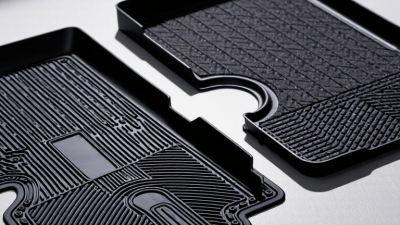
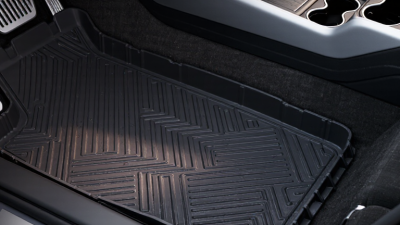
Flat carpet mats are light and easy to lift, but their low edges may let water or grit reach the original carpet. Molded all-weather liners usually rise around the footwell and follow its contours. That can help contain slush near the door sill. Yet a deep edge is useful only when the liner fits without buckling.
Fit matters. NHTSA’s 2010 technical assessment of unintended acceleration documented floor-mat interference as a possible way to restrict accelerator-pedal movement. Check that the driver’s mat engages the vehicle’s retention points and cannot slide forward. Never layer mats. Small gaps count. Measure the footwell, including the raised center area and seat-rail edges; photographs alone can hide a poor fit. A snug liner may still need regular removal, since trapped grit can scratch the underlying surface. I would not assume “custom fit” guarantees a perfect match: trim changes and seat movement can expose small mismatches, so test pedal travel before driving.
How Cabin Coverage Varies Across Model Years and Configurations
Choosing floor mats for a Model Y depends on more than the model year. Cabin layouts and small trim changes can affect edge coverage, seat-rail clearance, and how mats fit around the center console. A mat that looks close may still leave a narrow strip of carpet exposed near the door sill.
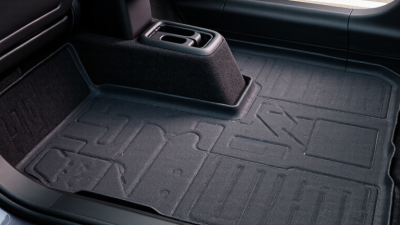
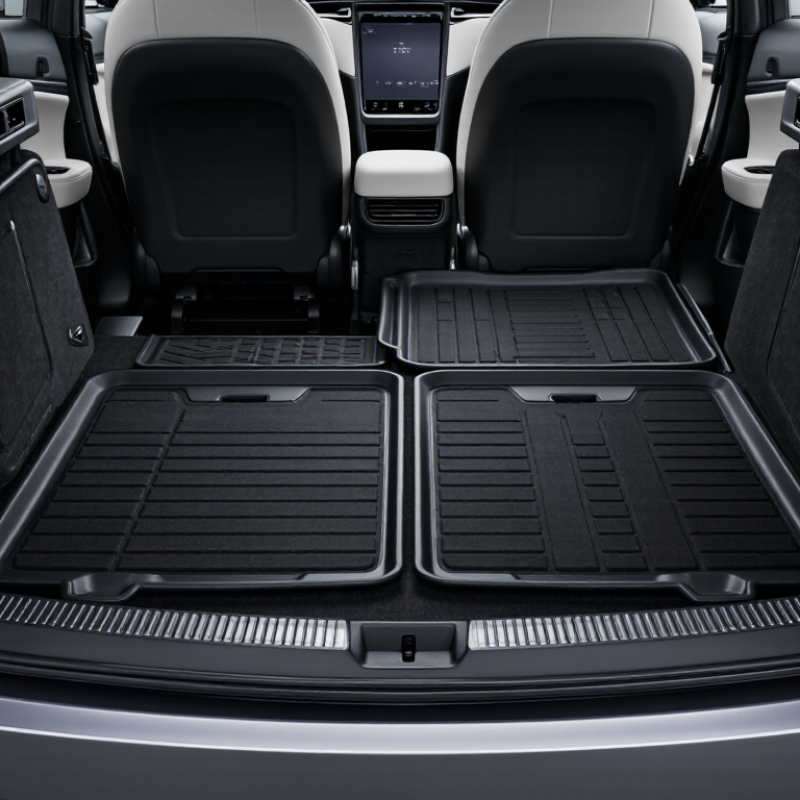
Compare the front, second-row, and cargo areas separately. Some configurations have different seat or storage arrangements, and cargo-floor panels can sit at different heights. Check whether the mat covers the footwell without blocking seat movement or pedals. In the rear, look closely around the center hump and under the front seats; crumbs collect there fast. Model-year labels are useful, but they do not guarantee identical interior dimensions. Measure your vehicle or confirm the fit guide matches its year and configuration. Fit guides can be imperfect, too.
Tips: Before buying, fold and slide each seat through its full range. Check the cargo floor with its panel both raised and lowered, if applicable. After installation, press along the edges and make sure the mats lie flat. A tiny gap is easy to miss in photos.
What Features Matter for Protection, Safety, and Everyday Use
A well-fitting floor mat should cover the footwell without curling near the pedals or blocking seat movement. For an electric crossover, check the exact model year and trim; small floor-shape differences can leave exposed edges. Raised borders help contain slush and muddy water, while a textured surface can keep wet shoes from sliding. But deep grooves are harder to clean than they look.
Safety comes before maximum coverage. The National Highway Traffic Safety Administration advises using mats designed for the vehicle, securing them with retention clips, and never stacking mats. Check that the accelerator and brake move freely after installation. A quick pedal check matters. The Federal Highway Administration reports that snowy, slushy, or icy pavement is associated with about 1,300 deaths and 116,800 injuries annually in the United States. Mats cannot prevent those crashes, but a stable, dry place for the driver’s feet is sensible.
For everyday use, compare waterproof construction, a non-slip underside, flexible edges, and easy removal for rinsing. All-weather rubber or thermoplastic mats usually handle wet debris well; carpeted mats can feel quieter and softer, but take longer to dry. Fit is not the whole story. A mat that traps grit at its edge can still scratch trim, so inspect the floor beneath it now and then. That small chore is easy to forget.
What Matters in Tesla Model Y Floor Mats?
A snug fit, secure retention, and strong floor coverage are top priorities for everyday protection. Ratings are qualitative guidance on a 1–5 scale, not laboratory test results.
How to Compare, Install, and Maintain Floor Mats
Choosing floor mats for an electric SUV is less about appearance than fit and coverage. Compare mats made for the vehicle’s exact year and cabin layout; small shape differences can leave carpet exposed. Check the driver’s mat for secure retention and enough clearance around every pedal. Raised edges help contain slush, grit, and spilled drinks, while a textured surface can make wet shoes less slippery. Fit matters most.
Material affects daily care. Flexible rubber-like mats are usually easy to rinse, while carpeted options can feel softer but hold dust and moisture. Look closely at the corners and the area beneath the front seats. These spots collect debris quickly. A slight odor after unpacking may fade with ventilation, but strong smells are worth investigating before installation. It is easy to overvalue a neat product photo; real cabin contours matter more.
Before fitting, remove the old mats, vacuum the floor, and let damp carpet dry completely. Align each mat with its intended anchors, then press it flat and check that it cannot slide forward. Move the pedals through their full range while the vehicle is parked. Small detail, big difference. For cleaning, shake out loose grit, rinse only as directed, and dry mats fully before reinstalling. Avoid glossy treatments that could make the surface slick, and check periodically for curling edges or trapped moisture.