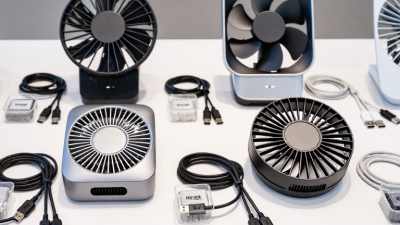
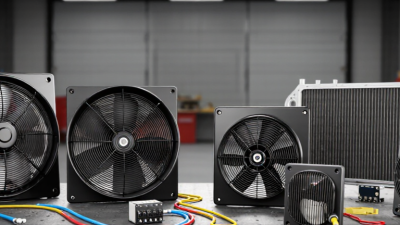
Choosing the best Fans For Cars in 2026 starts with a simple question: what job must the fan do? A cabin fan moves air through the vehicle’s vents, while a radiator or auxiliary cooling fan helps manage engine or component temperatures. They are not interchangeable. Fit comes first. The right choice depends on your vehicle’s make, model, engine, existing wiring, and intended use. A fan that looks powerful online may still be the wrong size or connector for your car.
This guide compares practical factors, including airflow, noise, power draw, build quality, installation needs, and compatibility. It also considers how fans perform in everyday situations: slow traffic on a hot afternoon, a dusty work route, or a long drive with the air conditioning running. Check product specifications against your owner’s manual and vehicle requirements, and seek qualified help if wiring or cooling-system work is unfamiliar. Those details matter more than bold packaging claims. No fan is perfect. A quieter model may move less air, while a high-output option can demand more electrical capacity. The best choice balances dependable performance with a proper fit, rather than chasing a single impressive number. Real-world results can vary, too, and product listings do not always explain every limitation. That deserves a closer look.
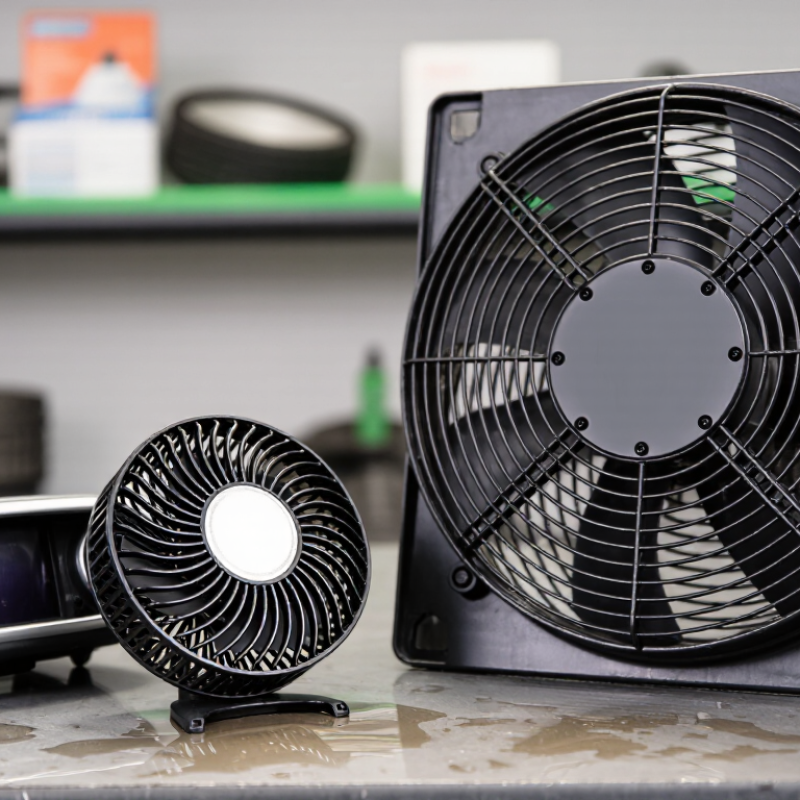
A car fan does more than push air at your face. The cabin blower moves cooled air through the vents, while the engine-cooling fan helps draw air across the radiator and air-conditioning condenser when the car is moving slowly or stopped. In traffic, that airflow matters. A weak or failing fan can mean warmer vent air, rising engine temperatures, or both. A fan cannot make cold air by itself.
Comfort also depends on where the air goes. Aim the vents across the cabin rather than directly at one person, and use recirculation briefly after the parked car has cooled down. You should feel airflow at the rear seats, not just hear a loud blower. Small detail, big difference. The U.S. EPA’s Fuel Economy in Hot Weather guidance warns that air-conditioning use can cut fuel economy by more than 25% in very hot conditions, particularly on short trips. That figure refers to air conditioning, not the fan alone; an efficient blower still helps distribute cooled air without requiring the coldest setting.
For a useful fan in 2026, prioritize steady airflow, low noise, and reliable speed control over an impressive maximum setting. Check that vents are clear and the cabin filter is not clogged. If the engine temperature climbs while idling, treat that as a cooling-system issue, not a cue to add a cabin fan. I’d still avoid judging performance by airflow alone: a quiet fan can be effective, and a strong breeze can mask a weak air-conditioning system.
Automotive fans serve different jobs, so the right type depends on the vehicle and the airflow needed. A mechanical engine fan turns with the engine, often through a temperature-sensitive clutch. It is common in some older layouts and can move substantial air at low speeds. An electric radiator fan works independently of engine speed. A sensor or control module switches it on when cooling demand rises, such as during slow traffic or air-conditioning use. That flexibility is useful, but electrical faults can leave the fan silent.
Auxiliary electric fans may sit in front of or behind the radiator. A puller fan, mounted behind the radiator, draws air through the cooling core; a pusher fan sits ahead and pushes air through it. Space and vehicle design affect the choice. Cabin blower fans are different: they move air through the heating and ventilation system, not through the engine radiator. That distinction is easy to miss. Some vehicles use multiple fans, and layouts vary more than a quick glance suggests.
Tips: With the engine off and cool, inspect fan blades for cracks and check for loose wiring. Keep hands clear when the engine is running; electric fans can start unexpectedly. If airflow seems weak, check the cabin filter for blockage. A fan that runs loudly or intermittently deserves a proper diagnosis, not just a guess.
When comparing car fans in 2026, start with fit, not flashy airflow claims. Fit comes first. Check whether the fan uses your vehicle’s 12-volt socket or USB port, and confirm its power draw against the vehicle manual. A compact dashboard fan may look convenient, yet its clamp can wobble on textured trim. Measure the available space and cable reach before buying. Airflow matters, but a speed rating alone says little about whether air reaches the rear seats.
Look for adjustable tilt, useful oscillation, and controls you can reach without taking your eyes off the road. Check noise at low and high settings; a loud motor can become tiring on a long drive. A fused plug and secure base are practical details. Keep the fan clear of airbags, mirrors, and the driver’s view. Not just speed. Fans can improve air circulation, but they cannot cool a parked car like air conditioning.
Tips: Test the fan while parked. Feel the airflow from each seat, listen for rattles, and check that the cable stays clear of the pedals. It is easy to overvalue an extra speed setting; cable reach may matter more in everyday use.
The best car fan in 2026 depends on where you need airflow and how you travel. For a driver who wants a gentle breeze, a compact dashboard or vent-mounted fan can help direct air toward the seat. Check that its mount stays secure on rough roads and does not block your view, controls, or airbag area.
Families may prefer a fan with a wider swivel range, so airflow can reach passengers in the back. For long drives, compare noise levels, adjustable speeds, and power options before buying. A quiet fan matters when children are sleeping or you are navigating busy traffic. If you use a fan while parked, consider battery drain and follow your vehicle’s manual for safe power connections. A fan can improve comfort, but it cannot cool a hot cabin like air conditioning. Small detail, big difference.
Tips: Aim airflow across the cabin, not directly into someone’s eyes. Secure cables away from pedals and seat tracks. Test the fan before a trip; a loose clip is annoying on a bumpy road.
Typical airflow ranges by automotive cooling fan type
Airflow ranges are approximate examples, not standardized ratings; actual performance varies with fan size, vehicle installation, and airflow restriction. Compact auxiliary fans suit localized cooling, while radiator fans are designed for broader cooling demands.
For a cabin fan, prioritize a guarded blade, a stable mount, and a current rating that matches the vehicle’s electrical system. A radiator fan is different: it is part of engine cooling, so an add-on cabin fan cannot replace it. Before fitting any fan, check the manual, measure available space, and keep wiring clear of pedals, airbags, hot surfaces, and moving parts. Use a properly sized fuse near the power source; do not guess the fuse rating. Small details matter.
Power draw is easy to overlook. A 12-volt fan drawing 4 amps uses about 48 watts; check its actual current at operating voltage rather than trusting a rough label. The U.S. Department of Energy’s FuelEconomy guidance reports that air-conditioning can reduce fuel economy by more than 25% in hot conditions, especially on short trips. That figure concerns air-conditioning, not a small fan, but it shows why accessory loads deserve attention. Keep expectations realistic. Airflow is not cooling.
For installation safety, NFPA estimated an average of 117,400 highway vehicle fires annually from 2018 through 2022 in its Vehicle Fires report. The report does not attribute those fires to fan installations, so the statistic is context—not proof that fans cause fires. Still, loose connections and damaged insulation are worth preventing. I would recheck the mount and wiring after the first drive; vibration can expose problems a driveway test misses. A neat installation is not always a safe one.
| Fan Type | Best For | Typical Electrical Use | Installation Considerations | Key Safety Checks | Overall Guidance |
|---|---|---|---|---|---|
| Vehicle-specific radiator cooling fan assembly | Replacing a failed original engine-cooling fan | Often draws several to a few dozen amps while running; exact draw depends on the vehicle and fan design. | Choose an assembly listed for the vehicle’s year, make, model, engine, and cooling configuration. Connectors, mounting points, shrouds, and control systems must match. | Keep hands, tools, and clothing clear: electric fans may start automatically when the engine is hot or the air conditioning is on. Follow the service manual and disconnect the battery when instructed. | Usually the safest choice for restoring factory cooling performance. Diagnose the original fault rather than replacing the fan without checking its fuse, relay, wiring, and temperature controls. |
| Universal electric radiator fan | Custom builds or vehicles without a suitable vehicle-specific replacement | Commonly about 5–30 A (roughly 60–360 W on a 12 V system); actual current varies substantially by size and design. | Confirm that the fan fits the radiator and provides appropriate airflow and clearance. Use a correctly rated relay, wiring, fuse, and temperature-control method; do not rely on undersized factory wiring. | Mount securely without damaging radiator fins or restricting airflow. Keep the blades and wiring clear of belts, pulleys, hot exhaust parts, and moving components. | Suitable when properly selected and wired, but it is not automatically an upgrade. Verify that the radiator, shroud, and fan work together for the vehicle’s cooling needs. |
| Auxiliary pusher or puller cooling fan | Supplemental airflow for a compatible radiator or heat exchanger | Often about 3–20 A (roughly 36–240 W at 12 V), depending on the fan. | A pusher mounts in front of the heat exchanger; a puller mounts behind it. Check airflow direction, available space, and whether the added fan obstructs airflow when switched off. | Use secure mounts and protected wiring. Confirm that the fan does not interfere with the radiator, condenser, hoses, or other components. | Best treated as supplemental cooling, not a substitute for diagnosing overheating or replacing a failed primary fan. |
| 12 V cabin fan with a fused accessory plug | Extra airflow for parked occupants or a specific seating area | Many small models draw about 0.5–5 A (roughly 6–60 W at 12 V); check the product’s stated current or wattage. | Use a securely mounted fan and an outlet that can support its load. Keep the lead away from pedals, seat tracks, and door hinges. | Do not place it where it can obstruct the driver’s view, controls, airbags, or safe movement. Switch it off when the vehicle is unattended unless the power outlet is designed for that use. | A practical comfort option, but it does not cool the engine and is not a replacement for the vehicle’s air-conditioning system. |
| USB-powered cabin fan | Low-power airflow near a passenger or desk-style mounting point | Commonly about 2.5–10 W at 5 V, equivalent to approximately 0.5–2 A on the USB side. | Check that the USB port or adapter supplies the fan’s required current. Secure the fan and route its cable away from controls and moving parts. | Use a suitable automotive USB adapter and avoid loose mounts or cables that could distract the driver or become entangled. | Generally a low-power cabin comfort choice. Actual airflow is usually more limited than that of a larger 12 V fan. |
Note: Electrical figures are approximate examples, not specifications for every fan. Check the fan label and vehicle service information before installation. Use the specified fuse and wire size, and have electrical or cooling-system work inspected by a qualified technician if you are unsure.