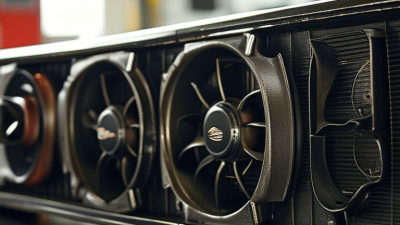
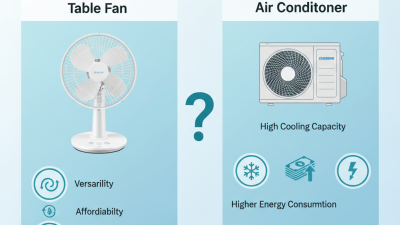
Choosing an Auto Fan For Car use is not simply a matter of picking the largest fan that fits. The right setup depends on the vehicle, radiator size, available space, and how the car is driven. A mechanical fan usually draws power from the engine, while an electric fan operates through an electrical circuit and temperature controls. Both can move air, but they suit different layouts and cooling needs. Small details matter.
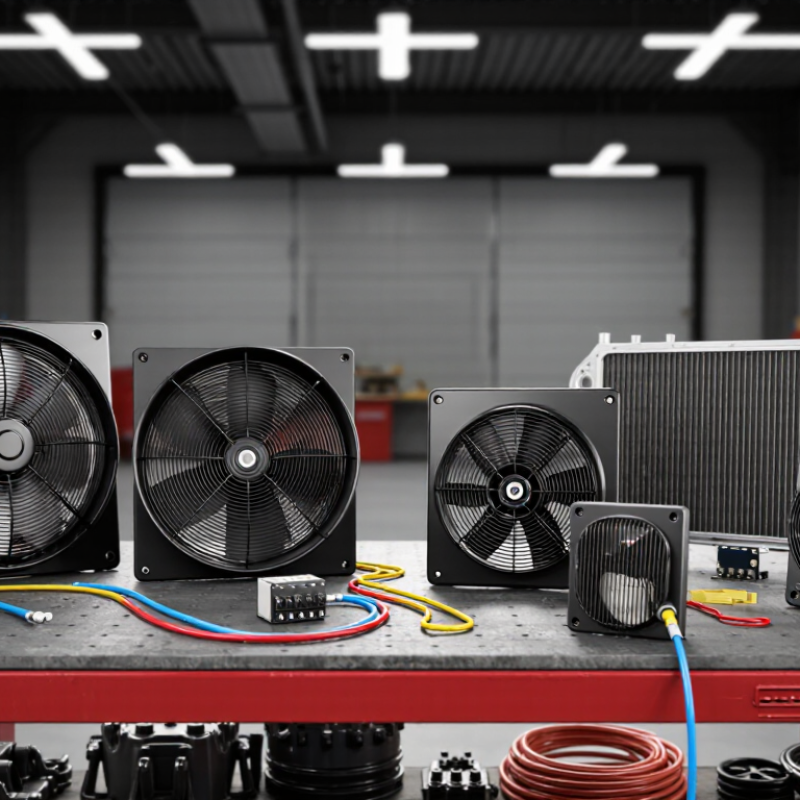
This guide introduces common types, including puller and pusher fans, slimline designs, and electric and mechanical models. Puller fans sit behind the radiator and draw air through it; pusher fans mount in front and push air across the core. Slimline models can help when engine-bay clearance is tight, though their airflow still needs to match the application. Fan diameter alone does not tell the whole story. Check airflow ratings, mounting dimensions, electrical requirements, and compatibility with the radiator and shroud. Manufacturer specifications are more useful than broad claims, and a vehicle manual or qualified technician can help resolve fitment questions. No single type is best for every car. Even a careful comparison can miss an awkward bracket or wiring limitation, so verify the actual measurements before choosing.
What Are the Top Types of Auto Fans for Cars?
How Automotive Fans Manage Cooling and Airflow
Automotive fans move air through the radiator and condenser when natural airflow is limited. Mechanical fans draw power from the engine and generally turn with engine speed. Electric fans switch on when cooling demand rises, helping maintain airflow at idle. A puller fan sits behind the radiator and draws air through it; a pusher fan mounts in front and pushes air inward. These describe different things: power source and mounting position. Small detail. It matters when choosing a replacement.
Fan speed strongly affects airflow and energy use. AMCA Publication 201’s fan affinity laws state that, under comparable conditions, airflow changes in proportion to rotational speed, while power changes approximately with the cube of speed. In practice, a restrictive grille, blocked fins, or poor shroud fit can reduce cooling performance. The U.S. Department of Energy’s FuelEconomy.gov hot-weather guidance reports that air-conditioning use can reduce fuel economy by more than 25% in very hot conditions. That figure concerns the cabin air-conditioning system, not the radiator fan alone, but it shows why cooling loads matter. A fan that runs constantly may signal a fault, though it can also reflect heavy heat, slow traffic, or a demanding AC load. Check the full airflow path before blaming the fan.

An engine-driven mechanical fan moves air through the radiator when vehicle speed alone cannot provide enough airflow, such as during a slow climb or a long idle. Its blades turn from engine power through a belt or pulley. With a fixed fan, engine speed and fan speed rise together, so the fan can draw useful cooling air even in hot, stop-and-go traffic. You may hear a deeper rush as the engine revs. Simple, but not free.
Some systems use a temperature-sensitive viscous clutch. It lets the fan turn more slowly when cooling demand is low, then engages more firmly as radiator air warms. This reduces unnecessary drag, though a worn clutch can cause weak airflow or persistent fan noise. The U.S. EPA’s 2024 Automotive Trends Report lists average new-vehicle fuel economy at 27.1 miles per gallon for model year 2023. The report does not isolate fan power, but it shows why engineers watch energy losses across a vehicle. Mechanical fans remain useful for dependable, low-speed cooling; their trade-off is that engine power must drive them. In real service, the exact balance depends on fan design, engine speed, and airflow around the radiator.
What Are the Top Types of Auto Fans for Cars?
How Electric Radiator Fans Regulate Engine Temperature
Electric radiator fans move air through the radiator when natural airflow is limited. This often happens in slow traffic, while idling, or when a car is parked. As coolant passes through the radiator, airflow helps release heat before the coolant returns to the engine. A small fan matters.
A coolant temperature sensor monitors engine heat and sends readings to the vehicle’s control system. When temperatures reach a set range, the system switches the fan on. Some cars also run the fan when the air conditioner is operating, since its condenser needs airflow too. The thermostat has a different job: it regulates coolant flow, while the fan helps cool the radiator. That distinction is easy to miss.
Fan speed and timing vary by vehicle, so there is no single temperature that applies to every car. On a hot day, the fan may cycle on and off while the car sits at a stoplight. That can be normal. If the temperature gauge climbs unusually high, or the fan never seems to run, a mechanic can inspect the sensor, wiring, fuse, or fan motor. Keep hands clear: electric fans can start automatically, even when the engine is not running.
What Are the Top Types of Auto Fans for Cars?
How Condenser Fans Support Air-Conditioning Systems
A condenser fan moves air across the condenser’s narrow metal fins, helping release heat from the refrigerant. At low speeds or while idling, natural airflow is limited, so the fan becomes especially important. Without enough airflow, air-conditioning may feel warm at a stop, then cool again once the car moves. A small symptom, but a useful clue.
The U.S. Department of Energy and Environmental Protection Agency’s FuelEconomy.gov guidance reports that air-conditioning can reduce fuel economy by more than 25% in very hot conditions. That figure applies to the air-conditioning system overall, not the condenser fan alone. Still, effective airflow helps the system shed heat and can support steadier cooling. A fan that runs noisily, intermittently, or not at all deserves prompt inspection; electrical faults and blocked fins can look similar.
Tips: With the engine off and cool, check for leaves or dirt around the condenser. Never reach near a fan while the vehicle is on; some fans can start automatically. If cooling fades mainly at idle, ask a technician to test fan operation and airflow. Diagnosis is not always neat.
A cabin blower fan is the working heart of a car’s interior ventilation system. Its motor pushes air through the cabin filter, then across the cooling evaporator or heating core. Air reaches occupants through dashboard, floor, and defrost vents. Select recirculation, and the fan draws mostly cabin air; choose fresh air, and it brings outside air inside. The difference is noticeable on a dusty road or when the windshield starts to fog.
Fan speed affects comfort, but airflow direction matters too. A strong stream aimed at the face can leave the rear seats warm, while floor vents help move heat toward cold feet. The air does not always feel even. A clogged filter can restrict flow, and blocked vents make the blower work harder without fixing poor distribution. Check airflow at several vents, not just the nearest one.
Energy use is part of the trade-off. The U.S. Department of Energy’s Fuel Economy in Hot Weather guidance reports that air conditioning can reduce fuel economy by more than 25% in very hot conditions, especially on short trips. That figure reflects the AC load, not the blower alone.
In practice, a moderate fan setting and sensible recirculation can help cooling feel steady, though the best setting changes with humidity, sunlight, and passenger comfort.