Shantou Chenghai Yate Auto Accessories Factory

Leave Your Message

2026 Best Tesla Model 3 Floor Mats for All Weather Use?

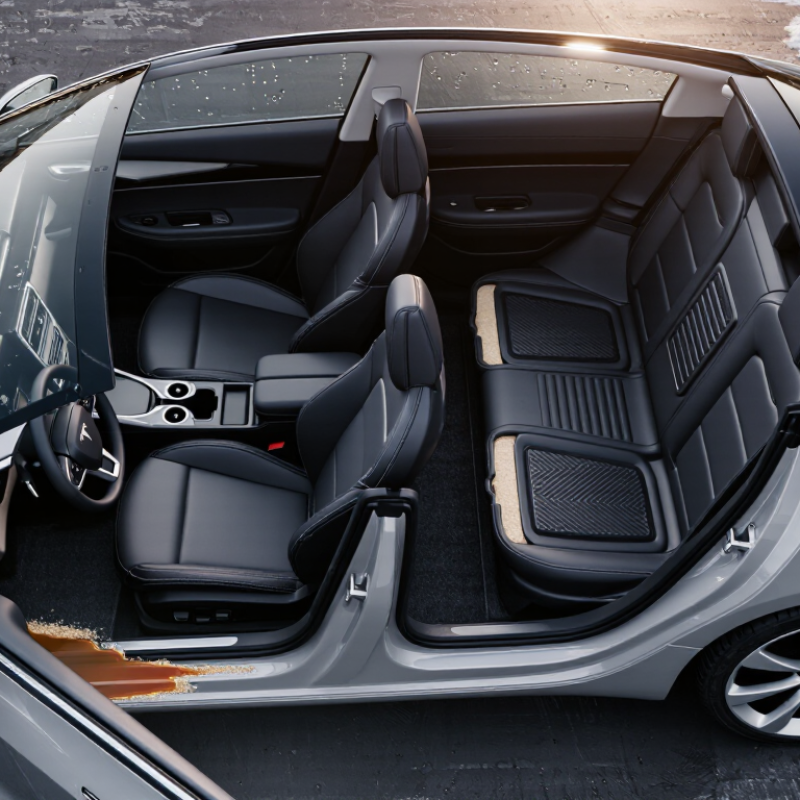
Choosing the right Tesla Model 3 Floor Mats for 2026 begins with real driving conditions, not glossy product photos. Rain, melted snow, road salt, sand, and coffee spills can quickly reach the carpet. A suitable mat should contain water, resist curling, and remain stable beneath the pedals. It should also fit the Model 3’s floor shape without blocking seat movement or drainage areas.

Automotive protection specialist David MacNeil, founder of WeatherTech, has often emphasized a practical principle: “Protection should be designed around the way people actually use their vehicles.” That idea matters here. Drivers who commute through wet cities need raised edges and dependable coverage. Families may value easy cleaning more than a soft carpet-like texture. Weekend travelers might prefer lighter mats that can be removed beside a campsite. Small differences become obvious after a muddy week.

Fit matters most.

This guide examines Tesla Model 3 Floor Mats through an everyday ownership lens. It considers material quality, floor coverage, traction, odor, cleaning effort, and long-term durability. Some mats look impressive but slide slightly after repeated use. Others feel rigid at first and become easier to manage later. I have learned that “all-weather” does not always mean perfect protection. No mat solves every problem, especially when spills move beneath poorly cleaned edges. The best choice depends on climate, driving habits, and tolerance for maintenance. Expect useful comparisons, but not a magical winner for everyone.
2026 Best Tesla Model 3 Floor Mats for All Weather Use?

Tesla Model 3 Floor Mat Requirements for All-Weather Protection

All-weather floor mats for this electric sedan must fit its footwells precisely. Gaps around the edges can collect rainwater, road salt, and melted snow. A proper set should follow the original floor contours. It should also leave the pedals completely clear.

Raised outer lips matter. They help contain slush before it reaches the carpet. Deep channels can guide water away from shoes and clothing. However, excessive height may interfere with foot movement. Check the accelerator and brake areas carefully. Retention points should lock firmly into the factory anchors. A loose mat can slide under a pedal.

Material choice affects daily reliability. Thermoplastic rubber usually resists cracking, staining, and temperature changes. Carpet-backed designs may feel softer, but they absorb more moisture. Look for a textured underside that grips without damaging the original carpeting. The surface should remain stable when wet. It should also be easy to remove and rinse.

I have found that cleaning access is often overlooked. A heavy mat may protect well but become awkward to lift. Foldable sections can help, though they may create weak seams. Some products also release a strong odor when new. Airing them out helps, but it does not fix every material problem. Measure the footwell and inspect the retention system before buying. Availability can vary by model year, so confirm compatibility carefully.
Key Materials and Designs Used in 2026 Floor Mats

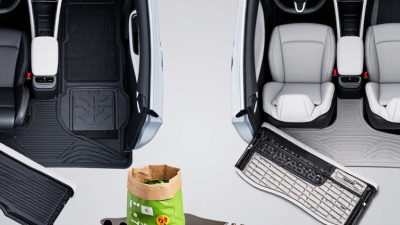
For 2026, all-weather floor mats for electric sedans rely on materials that balance grip, flexibility, and water resistance. Thermoplastic elastomer is a strong choice because it stays flexible in cold weather and resists cracking. It also feels less brittle than many hard plastics.

Molded rubber offers dependable traction under wet shoes. However, its weight can make removal less convenient. Recycled polymer blends reduce material waste, but their quality varies between manufacturers. Check for a consistent surface, clean edges, and a mild odor before installation. A strong chemical smell may signal poor ventilation during production.

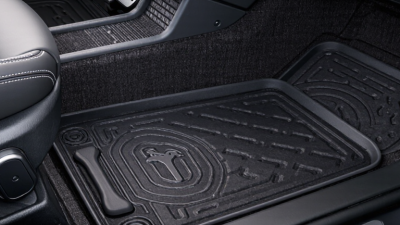
Design matters as much as material. Raised outer walls help contain melted snow, sand, and small spills. Deep channels guide water away from the driver’s heel area. Textured sections improve grip, while a reinforced heel pad can reduce wear near the pedals. Retention clips or factory-style anchors should hold each mat firmly without blocking pedal movement.

I prefer mats with a precise vehicle-specific fit. Universal shapes often leave gaps along the door sill. That said, even excellent mats need regular cleaning. Fine dust can collect beneath them.

A practical test is simple. Place the mat flat, press each corner, and check for movement. Poor alignment becomes obvious quickly. Some newer surfaces clean easily with a hose, but they may become slippery when wet. This trade-off deserves attention before purchase.

How to Compare Fit, Coverage, Grip, and Waterproofing

Choosing the best all-weather floor mats for a 2026 electric sedan starts with accurate fit. Measure the front footwells, rear floor, and seat-rail clearances before comparing products. A precise mat should follow the carpet edges without curling near the accelerator. It should also leave no gap beside the door sill. I once used a nearly perfect set that shifted slightly under the driver’s heel. That small movement became irritating during long trips.

Coverage matters during rain, snow, and muddy errands. Look for raised outer walls that contain melted ice and spilled drinks. A deep center channel can guide water away from shoes, but excessive height may interfere with rear-seat comfort. Check whether the set covers the center hump and the area beneath the front seats. Many descriptions sound complete. The photos may tell a different story.

Tips: Press each corner by hand before driving. Test the locking points. Place a sheet of paper underneath to reveal gaps. For grip, inspect the underside texture and retention clips, not just the top pattern. Waterproofing depends on sealed edges, non-absorbent material, and easy cleaning. Hose-friendly surfaces are useful, although trapped water can collect beneath the mat. Remove and dry them occasionally. This step is easy to forget. Also, inspect the heel area after several weeks; repeated pressure can expose weak construction before winter becomes severe.

Best Floor Mat Types for Different Driving Conditions

Choosing the right floor mats depends on where and how you drive. For daily city use, low-profile rubber mats offer easy cleaning and a stable fit. Their raised edges catch coffee spills, dust, and light rain before moisture reaches the carpet.

For snowy regions, deep-channel thermoplastic mats work better. They hold melted snow, road salt, and small stones without absorbing water. A removable tray design also makes dumping dirty water easier. However, very deep channels can trap grit underneath, so regular removal remains important.

In wet coastal areas, flexible waterproof mats with textured surfaces help reduce slipping. Look for reinforced heel zones if you drive frequently, especially with work boots. Carpet mats feel quieter and softer during dry seasons, but they absorb mud and take longer to dry. They are not ideal for heavy rain.

Hot climates need mats that resist curling and fading. Dark materials can become extremely warm inside a parked vehicle, though lighter colors show stains sooner. I prefer a firm, custom-shaped mat with secure anchors and moderate side walls. Excessively tall edges can interfere with foot movement, which I underestimated during one long trip.

No mat solves every problem. Check the fit after installation, especially around the pedals and seat rails. A small gap can collect water, while an oversized edge may fold. Cleaning weekly is usually enough for light use, but winter driving demands more attention. Some claims about “all-weather” performance seem optimistic; real conditions are messier.

Installation, Cleaning, and Long-Term Maintenance Guide

For an all-weather floor mat in an electric sedan, installation should begin on a dry, empty floor. Remove the original mats completely. Never stack two mats together. Align each mat with the molded anchors, then press every retention point firmly. Slide the driver’s seat backward and test full pedal movement. The National Highway Traffic Safety Administration warns that unsecured mats can interfere with accelerator operation, so this check deserves more attention than appearance.

Cleaning works best before grit becomes embedded. Shake the mat outside, vacuum both sides, and rinse with cool water. Use a mild, pH-neutral soap and a soft brush around the grooves. Avoid petroleum solvents and stiff wire brushes. They can weaken surfaces or remove protective texture. Dry the mat vertically, including its underside, before reinstalling it. The U.S. Environmental Protection Agency recommends indoor relative humidity below 60%, ideally between 30% and 50%; trapped moisture under a mat deserves similar caution.

Inspect the mat weekly during wet seasons. Look for curled edges, cracked anchors, worn ribs, or water trapped beneath the surface. Replace a damaged mat rather than trimming it. I still make one mistake: cleaning the top and forgetting the underside. That hidden dampness can create odor quickly. The 2024 Auto Care Association Factbook reports an average U.S. light-vehicle age of 12.6 years, making long-term fit and material checks practical, not cosmetic. Perform a deeper inspection every three months, or sooner after salted roads, beach sand, or muddy trips.