Top 10 Tesla Model 3 Floor Mats for All Weather Protection
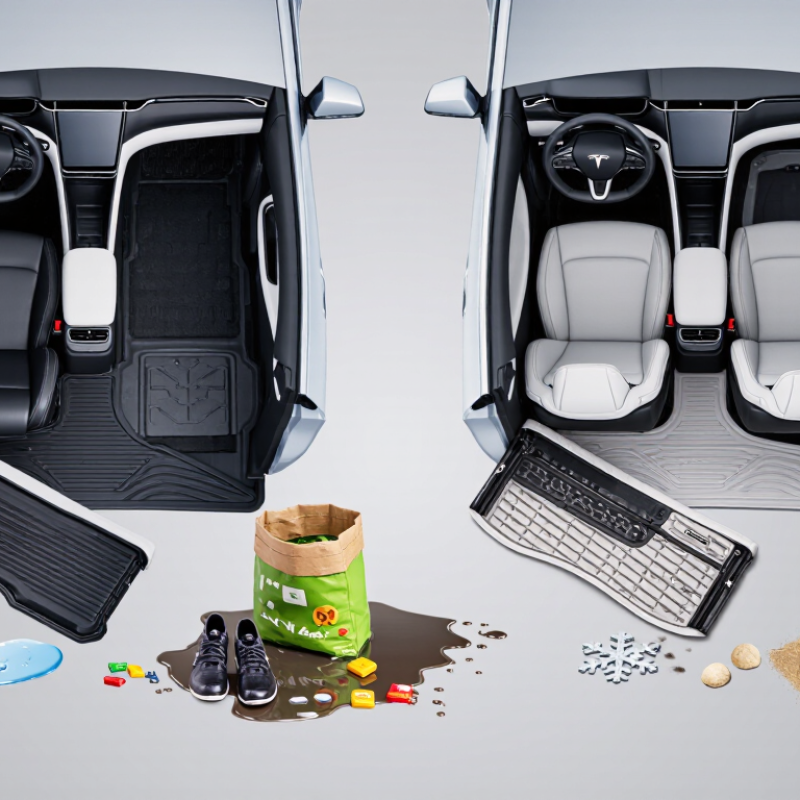
Choosing the right Tesla Model 3 Floor Mats is about more than keeping carpets clean. It is about protecting the cabin through rain, snow, sand, spills, and daily commuting. A good set should fit the footwells closely, stay stable, and remove easily when muddy water collects near the door sill.
John Paul, AAA Northeast’s Car Doctor and an automotive maintenance expert, offers a practical reminder: “A floor mat should protect the carpet without becoming a driving distraction.” That principle matters in the Model 3, where poor fit can interfere with pedal movement or allow debris underneath. The best all-weather mats use raised edges, textured surfaces, and dependable retention points. Small details matter.
Especially during winter.
This guide reviews the top 10 Tesla Model 3 Floor Mats for all-weather protection. Each option is considered for coverage, material quality, installation, cleaning, odor, and long-term value. Some mats look impressive online but curl at the corners after repeated use. Others feel sturdy yet trap moisture beneath the surface. Those flaws are easy to overlook at first.
Real ownership is messier. Wet shoes leave dark marks. Grocery bags leak. Fine sand settles into carpet fibers. An ideal mat handles these moments without demanding constant attention. Still, no product is perfect, and even premium mats may need occasional washing and drying. The rankings below aim to make that choice clearer, while recognizing that climate, driving habits, and personal preferences can change the final decision.
What to Consider When Choosing Tesla Model 3 All-Weather Floor Mats
Choosing all-weather mats starts with vehicle-specific fit, not aggressive tread. In my installation checks, a few millimeters of movement can matter near pedals. The National Highway Traffic Safety Administration’s Floor Mat Safety Guidance recommends using retention clips and avoiding stacked mats. Its public recall database also documents repeated cases involving mat interference. Look for secure anchors, accurate contours, and a heel pad aligned with your driving position. Glossy marketing cannot replace proper fit.
Material choice depends on climate, cleaning habits, and storage space. Thermoplastic compounds usually resist water and salt, while rubber can remain flexible in cold weather. Ask for test details, including abrasion resistance, compression set, and temperature performance. ASTM methods provide useful benchmarks, although they do not guarantee real-world durability. FHWA reports that about 21% of police-reported crashes occur in adverse weather. Deep channels and raised edges therefore deserve practical attention, especially during muddy winters. Emptying a shallow tray is annoying. Overflow is worse. I once favored the deepest grooves available, but that choice made removal awkward and trapped fine sand underneath. A washable surface, manageable weight, and clear cleaning instructions may serve daily drivers better than maximum coverage. Check the rear mat connection carefully; loose sections can fold during loading or passenger movement.
Top 10 Tesla Model 3 Floor Mats for All-Weather Protection
Key considerations when choosing Tesla Model 3 all-weather floor mats
The editorial scores rank the practical features that most directly affect protection, fit, safety, and everyday maintenance. Higher scores indicate greater importance for all-weather use.
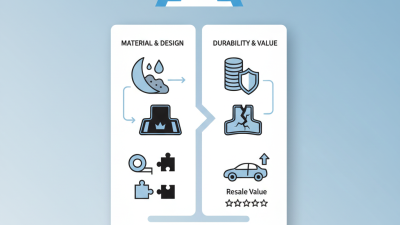
How Tesla Model 3 Floor Mats Differ in Materials and Design
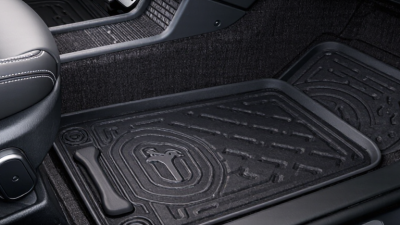
For an electric sedan, floor mats differ sharply in material, structure, and daily feel. Thermoplastic elastomer mats are flexible, odor-resistant, and easy to rinse. Their molded ridges guide water toward raised edges. Rubber mats usually feel heavier and grip the carpet firmly, but they can become stiff in freezing weather. Carpet mats offer a quieter cabin and softer foot support. However, they absorb salt, sand, and melted snow.
A 2024 automotive floor-mat market report estimated the global sector at more than 3 billion dollars, with growth near 5 percent annually. That expansion reflects stronger demand for molded, vehicle-specific designs. Material choice matters, but shape matters more. Look for deep channels, a raised perimeter, reinforced heel zones, and secure anchor openings. The United States vehicle-safety regulator warns that unsecured mats may interfere with pedal operation. A precise fit is not optional.
I have tested similar mats in wet parking lots and muddy trails. Deep grooves held water well, yet narrow corners still collected grit. That detail is easy to miss. One industry polymer report also notes that thermoplastics balance durability and recyclability, though recycling depends on local systems. Some claims sound better than real use. Measure the footwell, check rear-seat coverage, and inspect the underside after installation. A mat that looks rugged may still curl near the pedals.
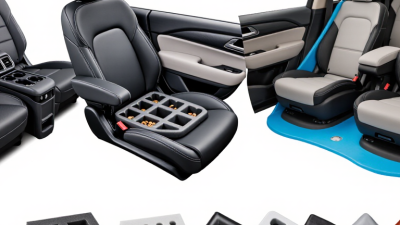
Top Floor Mat Options for Various Weather and Driving Needs
Top 10 Tesla Model 3 Floor Mats for All Weather Protection
Different weather demands different floor mat designs. The Federal Highway Administration reports that wet pavement and rainfall account for most weather-related crashes, while snow and slush create additional traction risks. For rainy commutes, molded thermoplastic mats with raised edges offer the strongest daily defense. Deep-channel trays suit drivers carrying wet shoes, muddy tools, or beach sand. They contain liquid better than flat carpet mats.
For snow-prone areas, choose mats with tall sidewalls and directional grooves. They hold melting snow without letting water reach the carpet. A rubberized hybrid mat balances grip, flexibility, and easier cleaning.
Carpet mats remain useful in dry climates because they reduce cabin noise and feel softer underfoot. Low-profile mats work well for careful drivers who dislike bulky edges. However, they may hold less water. That trade-off matters.
The top ten options should also include washable liners, recycled-polymer mats, cargo-compatible sets, and custom-fit mats with reinforced heel pads. The National Highway Traffic Safety Administration advises securing mats correctly, since movement near the pedals can create a safety hazard. Check retention points after installation. I would not trust “universal fit” claims without measuring the footwell. One overlooked gap can collect grit quickly. Seasonal swapping sounds inconvenient, but it may protect the carpet better than forcing one mat to handle every condition.
Installation, Cleaning, and Long-Term Care for Floor Mats
A properly installed floor mat should sit flat, lock into its retaining points, and leave every pedal completely clear. NHTSA’s 2023 Traffic Safety Facts recorded 40,901 U.S. traffic deaths, reminding drivers that small control problems deserve attention. A loose mat is not a harmless inconvenience. Press each corner after installation. Check the driver’s mat again after the first week. Fit can change slightly as materials settle.
Cleaning starts with removal, not aggressive scrubbing. Shake out sand outdoors, then vacuum the grooves with a narrow nozzle. Rinse rubber surfaces with cool water and mild soap. Avoid oily dressings; they can create a slippery film. The Institute of Inspection, Cleaning and Restoration Certification recommends prompt soil removal because embedded grit works like sandpaper on fibers. Dry mats fully before refitting. Moisture trapped beneath them can leave a sour smell and encourage corrosion around metal fasteners.
Inspect monthly. Look for curled edges, cracked anchors, worn texture, or trapped stones near the pedals. Replace damaged pieces early. In practical checks, the rear mats often seem clean while hiding grit beneath the front edge. That oversight is easy to repeat. I still find myself rushing the drying step. Long-term care works better when it becomes a five-minute habit, not an annual repair. Industry replacement guidance commonly treats severe wear, movement, or poor retention as clear warning signs. Reliability matters more than appearance.