Choosing the right Tesla Model 3 Floor Mats is more than matching a showroom photograph. Global buyers face different climates, road conditions, driving positions, and delivery standards. A mat that works well in dry California may struggle with snow, sand, or heavy rain elsewhere. Fit matters, but so do material safety, edge coverage, odor, cleaning effort, and long-term durability.
Automotive interior materials specialist Daniel Mercer says, “A floor mat should control water and grit without interfering with pedals, seat movement, or driver confidence.” That principle guides this 2026 buying overview. We examine molded TPE, rubber, carpet, and hybrid designs. We also consider raised lips, anti-slip backing, heel protection, and coverage around the footrest. Small details become obvious after a muddy commute.
For international shoppers, compatibility deserves careful checking. Tesla Model 3 Floor Mats may differ by model year, cabin design, market specification, or left-hand and right-hand drive layout. Product images can mislead. A claimed “perfect fit” still needs verification against the vehicle’s interior shape and retention points.
This guide compares practical choices for commuters, families, winter drivers, and minimalist owners. It weighs protection against appearance, price against lifespan, and easy washing against softer comfort. No mat is perfect. Some rigid liners look excellent but feel less refined. Some carpets feel premium but absorb spills.
The recommendations are based on visible construction, user-focused testing considerations, manufacturer specifications, and realistic daily use. Buyers should still confirm measurements before ordering. That final check prevents an expensive mismatch.
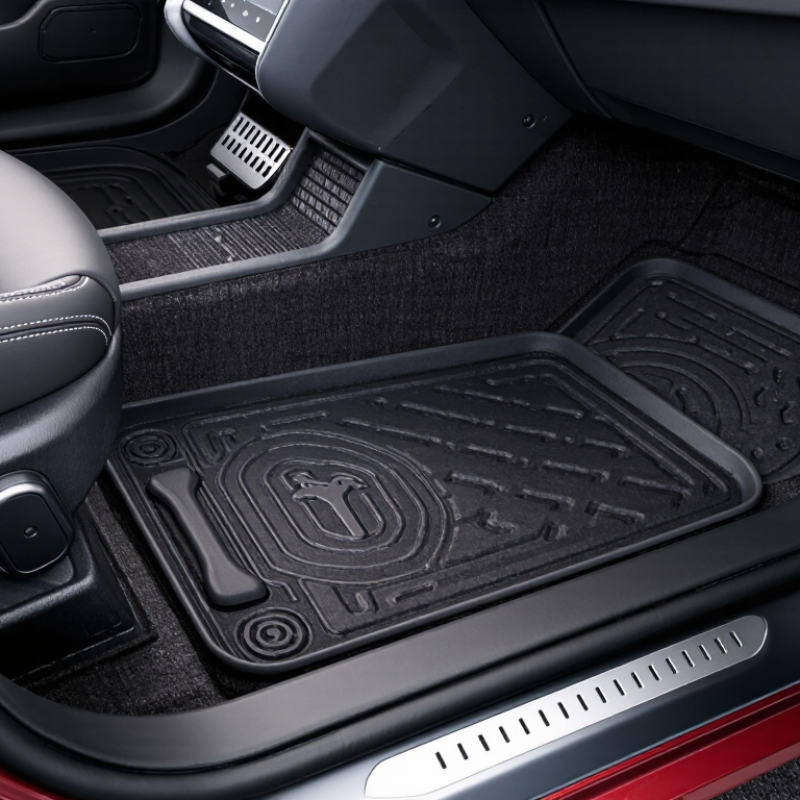
For 2026 electric sedans, floor mat compatibility depends on more than the model name. Production dates, cabin layout, seat rails, and retention points can affect fit. Global buyers should confirm the exact body style and delivery market before ordering. A listing that says “2026 model” may still cover several interior revisions.
Common choices include carpet mats, rubber mats, thermoplastic mats, and deep-channel molded sets. Carpet feels quieter and suits dry climates. Rubber handles muddy shoes and frequent washing. Thermoplastic material offers a lighter balance between flexibility and water resistance. Deep channels help contain snow, sand, and spilled drinks. The rear mat should also match the center floor shape. Some sets use one large piece, while others use separate panels for easier removal.
Fit matters more than appearance. Place each mat flat, then check the edges near the pedals and seat tracks. It must not slide forward or cover a pedal. Retention clips should align without force. For left-hand-drive and right-hand-drive markets, front shapes may differ, so never rely on photographs alone. I have seen apparently compatible mats leave a small gap near the footrest. That gap looks minor, but trapped grit can wear the carpet. Cargo liners are separate products and should not be confused with cabin mats. A careful buyer checks measurements, return terms, and verified fitment notes before purchase. In some cases, waiting for confirmed dimensions is wiser than trusting an early listing.
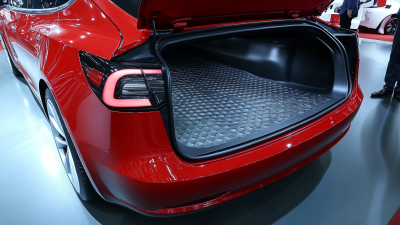
Floor-mat coverage comparison for 2026 Model 3 buyers. The six vehicle zones used here are the two front footwells, rear passenger area, trunk floor, trunk side area, and frunk floor. Always verify the exact vehicle revision, seat-rail clearance, center hump shape, and left- or right-hand-drive fit before purchasing.
Choosing floor mats for a 2026 electric sedan requires more than checking the vehicle’s model year. Material affects comfort, cleaning effort, and long-term protection. Thermoplastic rubber resists rain, melted snow, and spilled drinks without absorbing moisture. It also stays practical in muddy conditions. Carpet mats feel warmer and quieter, but they can retain sand and moisture. A waterproof layer underneath helps prevent stains and unpleasant odors.
Weather protection depends on design, not material alone. Raised edges should contain water around the footwell, while deep channels should guide mud away from shoes. A textured surface can improve grip, especially after heavy rain.
In hot regions, mats should resist fading and softening. In colder areas, flexible materials are important because brittle mats may crack. Fit matters too. Gaps near pedals or door sills can allow water through.
I have found that even a well-made mat may shift slightly if its anchors are poorly aligned. That detail deserves more attention.
Tips: Measure the footwell before ordering. Check anchor positions and rear-seat coverage. Press the mat flat after installation. Test the edges with a small amount of water. Inspect them monthly, especially after winter driving. Do not assume “all-weather” means maintenance-free. A quick rinse helps, but trapped grit still needs brushing. Some textured surfaces clean poorly, which is an inconvenient flaw. Consider local climate, driving frequency, and whether passengers often carry wet footwear.
Choosing floor mats for an electric sedan starts with local driving conditions, not appearance. The Federal Highway Administration reports that about 75% of weather-related crashes occur on wet pavement or during rainfall. In rainy regions, raised edges and deep channels help contain water, mud, and roadside grit. A rubber or thermoplastic design usually dries faster than carpet. It also needs a textured underside, because a moving mat can become a pedal hazard.
Snowy climates require stronger containment. Meltwater, salt, and ice can collect near the front footwell. Choose mats with high sidewalls and coverage around the seat rails. In hot regions, check heat resistance and UV stability. Some low-cost materials curl after prolonged sunlight exposure. That detail is easy to miss. The U.S. National Highway Traffic Safety Administration warns that improperly secured mats may interfere with accelerator or brake pedals, so vehicle-specific anchors matter. Independent testing is useful, but fit should still be checked inside the actual vehicle.
Tips: Place the mat flat before driving. Confirm every anchor engages. Move each pedal fully by hand. Remove trapped stones and dry wet mats regularly. For mixed climates, use a removable all-weather set during storms, then inspect carpet mats for dampness. I would not choose the deepest channels automatically. They can protect better, but awkward edges may reduce foot comfort. A careful compromise often works best.
Choosing floor mats for a 2026 electric sedan requires more than checking appearance. Measure the cabin floor, seat rails, and pedal clearance before ordering. A precise fit should lie flat without touching the accelerator or trapping the seat mechanism. I usually place the front mat loosely, move the seat through its full range, then secure every retaining point. Do not force a nearly correct mat.
Installation should take only a few minutes. Remove old mats, vacuum sand from the carpet, and inspect the clips for damage. Mats with raised edges help contain rainwater, snow, and spilled drinks. However, excessive sidewall height can interfere with door trim. That detail is easy to miss. A dry test prevents later frustration.
Cleaning habits determine long-term performance. Shake out loose grit weekly, then rinse rubber or thermoplastic mats with mild soap and cool water. Avoid strong solvents, abrasive brushes, and high heat, which may weaken texture or cause curling. Fabric mats need gentle vacuuming and complete air-drying before installation. I once replaced a mat too quickly after washing it; trapped moisture created an unpleasant odor. Inspect the underside monthly for cracks, worn anchors, or movement. Replace damaged hardware promptly. Safe fit matters more than a perfect appearance.
2026 Top Tesla Model 3 Floor Mats for Global Buyers
Choosing floor mats begins with climate, not appearance. The International Energy Agency reported over 17 million electric cars sold worldwide in 2024. That growth brings drivers from wet coasts, dusty roads, and snowy regions. A suitable mat needs raised edges, stable clips, and accurate coverage around the footwell. The 2022 National Household Travel Survey recorded roughly 35 vehicle miles per day in the United States. Daily exposure makes easy cleaning important.
Material changes the ownership experience. Thermoplastic mats resist water and grit, while textile mats feel quieter and more refined. In hot markets, dark surfaces can become uncomfortable after parking outdoors. In freezing areas, brittle materials may crack during repeated loading. I once preferred the thickest option available. That was not entirely sensible. Excess height can interfere with pedal clearance or restrict seat movement.
Fit deserves careful checking across global markets. Right-hand-drive and left-hand-drive layouts may require different shapes. Buyers should verify the model year, cabin configuration, and retention points. The National Highway Traffic Safety Administration warns that unsecured mats can interfere with accelerator or brake pedals. One layer is safer. Look for tested slip resistance, odor control, and low-maintenance surfaces. A 2024 international automotive consumer study also found that ownership convenience strongly influences vehicle satisfaction, although floor mats received little attention. That gap matters. Small daily annoyances still shape long-term experience.
| Buying Factor | Relevant Model 3 Consideration | Practical Target for Buyers | Why It Matters | How to Verify Before Purchase |
|---|---|---|---|---|
| Vehicle fitment year | The Model 3 received a significant interior and exterior update for the 2024 model year, so floor shapes and mounting details may differ from earlier vehicles. | Choose mats listed specifically for the vehicle’s production version, not only for “Model 3.” | A small shape difference can cause curling, gaps, or interference with pedals and seat rails. | Confirm the model year, refresh version, and cabin configuration in the product fitment list. |
| Left-hand or right-hand drive | The driver-side mat must align with the pedal area, footrest, seat rail, and factory retention points for the vehicle’s steering position. | Select a left-hand-drive or right-hand-drive version as appropriate. | Incorrect driver-side geometry may restrict foot movement or leave exposed carpet near the pedals. | Check the steering position and verify that the listing includes the correct driver-side layout. |
| Coverage area | Front and rear footwells have different contours, while the rear center section may require a separate piece. | For full cabin protection, look for a complete set covering the front, rear, and rear center areas. | A partial set can leave high-traffic carpet exposed to mud, water, sand, and food debris. | Count every included piece and check whether the rear center section is included or optional. |
| Material selection | Common choices include carpet, thermoplastic rubber, thermoplastic elastomer, and molded multilayer constructions. | Use carpet for a softer appearance; use a waterproof rubber-like material for frequent exposure to moisture and dirt. | Material affects cleaning effort, odor, flexibility, appearance, and resistance to staining. | Review the material specification, care instructions, and close-up photos of the surface and backing. |
| Raised edge height | A raised perimeter can contain rainwater, melted snow, and spilled drinks, but excessive height may reduce usable foot space. | Prefer a continuous raised edge that follows the floor contour without touching pedals or seat movement areas. | Containment protects the original carpet and makes liquid removal easier. | Inspect side-wall photos and confirm that the mat does not overlap the accelerator or brake pedal area. |
| Anti-slip and retention | The driver-side mat should remain fixed during entry, exit, and repeated pedal use. | Look for compatible retention points, molded anchors, a high-friction underside, or both. | Movement can create a safety issue if the mat approaches or catches under the pedals. | Check underside photos and confirm that factory retention locations remain accessible and properly engaged. |
| Climate suitability | Wet, snowy, sandy, tropical, and dry climates create different demands for drainage, containment, dust release, and UV resistance. | Choose deep containment for snow or heavy rain and a lighter, easy-shake surface for sand and dust. | The correct design reduces cleaning frequency and helps preserve the carpet underneath. | Match the construction to local weather and review temperature, water, and cleaning limitations. |
| Cleaning method | Hard-wearing molded mats are generally easier to rinse, while carpet mats may require vacuuming and spot treatment. | Select a removable, washable design with channels or a surface texture that does not trap excessive debris. | Simple maintenance supports regular cleaning and helps prevent moisture or grit from remaining in the cabin. | Read the care instructions and confirm whether rinsing, mild soap, drying, or pressure washing is permitted. |
| Odor and emissions | New synthetic materials may have a noticeable odor, which can be more apparent in a closed vehicle cabin. | Prefer clearly described material composition and products tested for interior use, with an easy return option. | Low-odor materials improve comfort, especially in warm climates and during the first weeks of use. | Check material disclosures, safety documentation where available, and user feedback about persistent odor. |
| Trunk and frunk protection | Cargo areas are exposed to luggage, groceries, sports equipment, and liquid containers, but their shapes are separate from the cabin floor. | Add dedicated trunk and front-compartment liners if cargo protection is a priority. | A cabin-only set does not protect the load floor, side walls, or under-floor storage areas. | Verify whether cargo pieces are included and whether the set covers the specific body style and storage layout. |
| Temperature performance | Vehicles may experience cold winters, hot parked interiors, and rapid temperature changes across different markets. | Choose a construction described as flexible in cold weather and stable under normal interior heat exposure. | Poor temperature stability can cause cracking, curling, shrinkage, or surface deformation. | Review the stated operating range and avoid mats that arrive permanently curled or brittle after unpacking. |
| Thickness and weight | Thicker construction can improve cushioning and sound reduction, while excessive bulk may affect fit and storage convenience. | Prioritize a rigid enough structure to hold its shape without interfering with neighboring mats or seat movement. | The best balance combines stable fit, manageable removal, and sufficient protection for daily use. | Check product dimensions, packed weight, edge flexibility, and photos showing the mats installed. |
| International delivery and returns | Global buyers may face different shipping costs, import taxes, delivery times, and return procedures. | Confirm landed cost, delivery coverage, return eligibility, and the process for reporting a fitment problem. | A lower purchase price may not remain economical after shipping, duties, or difficult returns. | Review destination-specific checkout details, tax treatment, warranty terms, and return deadlines before ordering. |