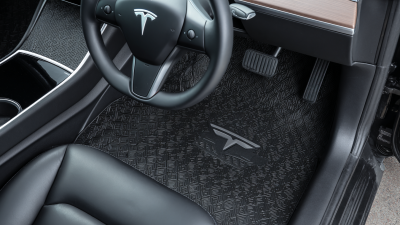
Choosing the right Floor Mats Tesla owners need is more than matching a black interior with a black accessory. A mat must fit the vehicle’s floor contours, stay firmly in place, and handle daily wear without becoming a distraction. Muddy shoes, spilled coffee, winter salt, and loose gravel can quickly expose weak materials.
Automotive interior consultant Daniel Mercer explains, “A good floor mat should protect the carpet without creating a new safety problem.” This practical view guides the seven tips in this article. We will examine vehicle-specific fit, material quality, raised edges, retention systems, cleaning needs, climate demands, and long-term value. Small details matter. A few millimeters of movement can affect pedal clearance. Poorly shaped edges may also trap water beneath the mat.
I once assumed thicker always meant better. That assumption can fail. Some thick mats feel durable but curl near the footwell or become difficult to remove. Others look premium but hold dust in deep grooves. The most suitable option depends on how and where the Tesla is driven. A city commuter may prefer lightweight rubber with simple rinsing. A mountain driver may need deeper channels and stronger heel protection.
This guide keeps the evaluation practical. It focuses on visible fit, everyday handling, and realistic maintenance rather than impressive marketing claims. Readers should still verify their Tesla model, production year, and interior configuration before ordering. Even a highly rated mat can disappoint when it fits the wrong version.
Choosing the right floor mats starts with exact vehicle identification. Record the model, production year, body style, and drive layout before shopping. Model names can hide meaningful changes between years. An updated center console or altered seat rail may change the rear mat shape.
The IEA’s Global EV Outlook 2024 reported nearly 14 million electric cars sold worldwide in 2023. That growth has increased the number of similar-looking cabin designs. Small errors matter. Check the vehicle identification number, owner’s manual, and the manufacturer’s dimensional drawing when available. Then measure each floor area at its widest and longest points, including raised edges and seat-track clearance. Do not measure only the carpet’s visible center.
I once assumed two vehicles from nearby production years shared identical floors. They did not. The rear hump was slightly higher, and the anchor position shifted. That mistake taught me to compare mounting points, not just photographs. NHTSA advises drivers to use correctly fitted mats and secure them against movement, because interference near the pedals can create a safety risk. Confirm the driver-side mat cannot touch the accelerator or brake pedal through its full travel. Record measurements in millimeters, and leave a small tolerance for carpeting and trim. Five extra minutes helps. Guessing does not.
7 Tips for Choosing the Best Floor Mats for Tesla
Compare Mat Materials for Climate, Comfort, and Durability
Tip 1: Match the material to your climate. In snowy regions, deep rubber channels trap melted ice and road salt. In hot areas, flexible thermoplastic resists warping better than thin carpet. Tip 2: Check the raised edges. During my own winter testing, low edges allowed slush to reach the carpet surprisingly quickly. Tip 3: Consider cabin comfort. Carpet mats feel softer and reduce foot noise, while rubber mats feel firmer and easier to wipe clean.
Tip 4: Inspect the surface texture. A textured finish improves grip when shoes are wet, but deep patterns can hold sand. Tip 5: Look for accurate coverage around the footwell, seat rails, and accelerator area. Poor fit creates exposed patches and may let debris move underneath. Tip 6: Test flexibility before buying. A mat should bend slightly for removal, yet return to shape without curling. Cheap materials sometimes crack after repeated cold-weather use. They can look fine at first.
Tip 7: Check cleaning and odor performance. Some rubber compounds release a strong smell inside a warm cabin, so ventilation testing matters. I prefer mats that rinse easily and dry within a few hours. However, no material wins every category. Carpet may suit a dry, quiet commute, while rubber offers stronger protection in wet climates. Recheck the fastening points after installation, because even a well-designed mat can shift if clips are not fully seated.
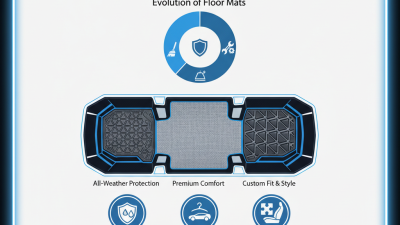
Compare mat materials by climate suitability, comfort, and durability
Scores use a 1–10 comparative scale based on common material properties. Rubber and TPE perform well in wet, snowy, and muddy conditions because they resist water and are easy to clean. Carpet provides a softer feel and better sound absorption, while EVA foam offers low weight and useful cushioning. PVC is generally durable and water-resistant but may feel less comfortable in extreme temperatures.
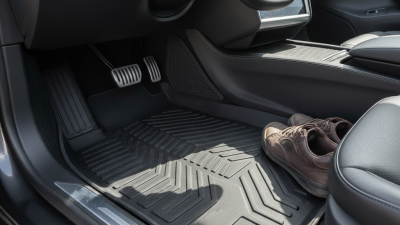
Coverage should match the entire footwell, not only the carpeted center. Measure the front, rear, dead-pedal area, and raised transmission tunnel. For electric vehicles, a flat rear floor can expose more carpet during muddy weather. Deep channels should hold water, sand, and melting snow without touching the pedals. Fit is not decoration.
Check every retention clip before driving. The National Highway Traffic Safety Administration advises securing the driver’s mat and never stacking mats. Its vehicle-safety guidance also warns that movement near the accelerator or brake can create dangerous interference. The 2023 Traffic Safety Facts report recorded 40,901 U.S. roadway deaths, so small preventable risks deserve attention. A mat should remain flat during full seat travel and pedal movement.
Vehicle-specific safety features matter more than a universal shape. Look for factory-compatible anchors, a non-slip underside, firm edges, and a cutout that leaves both pedals completely free. SAE J1100 standardizes vehicle dimensions, but it does not certify aftermarket floor mats. That distinction is easy to miss. Test it parked. Press each pedal repeatedly, move the seat forward and backward, and inspect the edges from the driver’s position. I once trusted a tight-looking mat that shifted under heel pressure. It looked secure. It was not. Some products also trap water beneath their raised borders, so lifting and drying them regularly remains necessary.
Installation is a safety test, not a cosmetic step.
Fit matters. Choose mats shaped for the exact vehicle floor, with openings for factory retention points. The National Highway Traffic Safety Administration advises securing floor mats and checking that they cannot interfere with accelerator or brake pedals. Move the driver’s seat fully forward, press each pedal, and inspect the edges. A mat that curls today may become a pedal obstruction later.
Cleaning should match the material and climate.
Remove the mats weekly in wet or dusty seasons. Shake out grit outdoors, then vacuum the grooves before washing. Use mild soap, a soft brush, and low-pressure water. Avoid soaking the cabin floor. Dry the mat completely. Damp backing can trap odors and encourage surface deterioration. The U.S. Environmental Protection Agency reports that indoor pollutant levels can reach two to five times outdoor levels; a vehicle is not a house, but enclosed dust still deserves attention. This comparison is imperfect, yet useful.
Long-term maintenance is easier when inspection becomes routine.
Check cracks, thinning, curled corners, and broken anchors every month. S&P Global Mobility reported an average U.S. light-vehicle age of about 12.6 years in 2024, so replacement should be judged over years, not weeks. I once focused too much on appearance and missed a loose rear edge. That was a useful correction. A perfect fit is more valuable than a flashy texture.
Choosing floor mats for a Tesla requires more than finding the lowest price. Measure the footwell carefully, including seat rails and raised edges. A precise fit reduces shifting, trapped dirt, and interference with pedals. Check whether the material feels flexible in cold weather. Some mats become stiff after winter exposure. That detail is easy to miss.
Compare materials, cleaning effort, and warranty length together. A cheaper mat may look attractive, but replacement costs can erase the savings. Read warranty terms for cracks, fading, and damaged clips. Some policies exclude ordinary wear, which may disappoint buyers. Look for clear coverage periods and a simple claim process. Keep your receipt.
Reviews are useful when they describe real conditions. Give more weight to comments about rain, sand, muddy shoes, and long-term odor. Photos can reveal curled corners that product images hide. I once trusted a high rating and overlooked repeated complaints about weak fasteners. That was my mistake. Check review dates, too. Older feedback may reflect a changed design.
Overall value also includes installation, cleaning, storage, and durability. A mat that rinses clean in minutes can save effort every week. Test the driver’s side by pressing the pedal area gently. Nothing should catch or slide. Consider your climate and driving habits before paying extra for features you will not use. The best choice is not always the most expensive one. It is the option that stays secure, lasts reasonably long, and matches the warranty’s promises.