China Best Car Cup Holder Supplier for Wholesale Buyers
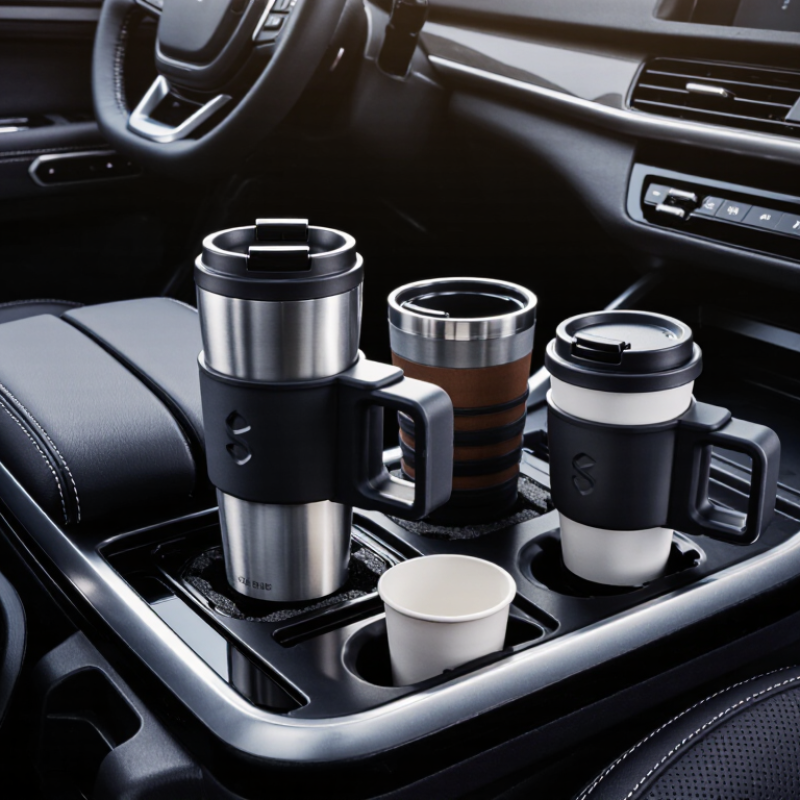
Choosing a China-based Car Cup Holder supplier can shape product quality, lead times, and wholesale margins. Buyers may be sourcing adjustable inserts, console-mounted holders, or compact designs for fleet vehicles. Each option serves a different use case. A holder that fits a wide travel mug may feel loose with a small paper cup, so dimensions matter more than polished catalog photos.
A dependable supplier should explain materials, measurements, tooling options, and quality checks clearly. Ask for samples and test them with the cups and vehicle interiors your customers actually use. Check whether the holder rattles on uneven roads, grips without scratching, and stays stable when a vehicle turns. These details are easy to overlook. They can also drive returns.
Wholesale buyers should compare production capacity, minimum order quantities, packaging, and communication before placing a large order. Request written specifications and confirm that sample details match the production version. A factory’s stated experience is useful, but it does not replace inspection or clear agreements. Even a careful sourcing process has limits; colors and fit can vary between batches. That is worth discussing early. This guide outlines practical ways to assess suppliers, compare product options, and reduce avoidable purchasing risks when sourcing car cup holders from China.
What Defines a Reliable Car Cup Holder Supplier in China
A reliable car cup holder supplier in China should show repeatable quality, not just an attractive sample. The China Association of Automobile Manufacturers reported 31.28 million vehicles produced and 31.44 million sold in 2024. This scale creates strong demand for components, but it does not prove that every factory controls quality well. Ask for product drawings, material specifications, mold revision records, and inspection results. Check that the holder fits your target console and grips different cup sizes without rattling. Small details matter.
Test the sample yourself. Request documented checks for dimensions, load, vibration, and temperature changes, along with the test method and acceptance limits. A supplier should also identify production batches and explain how defects trigger corrective action. Review how it handles tooling changes and order delays; these conversations can reveal more than a polished presentation. I would not rely on a single sample. Even a good one may hide variation between production runs. Before placing a wholesale order, compare pre-production samples with units taken from a completed batch.
How to Evaluate Chinese Car Cup Holder Manufacturers
China Best Car Cup Holder Supplier for Wholesale Buyers
How to Evaluate Chinese Car Cup Holder Manufacturers
Choosing a manufacturer takes more than comparing unit prices. Request a sample and check its dimensions, grip, and surface finish. Place it in different cup holders, then test it with narrow and wide drink containers. A holder that feels sturdy on a desk may wobble in a moving vehicle. Ask which materials are used and how dimensions are checked during production. Clear answers matter.
Tips: Send a simple measurement drawing. Ask for photos of quality checks and a written sample approval process. Confirm packaging details before requesting a bulk quotation.
Review production capacity, lead times, and how the supplier handles defects or delayed orders. Ask for recent inspection records, where available, and clarify what each check covers. Compare quotations only after confirming they describe the same materials, tolerances, packaging, and order quantity. A polished sample can still hide inconsistent mass production. It is easy to overvalue a quick reply, too. Keep key specifications in writing, and revisit them if your design changes.
Wholesale Pricing, Minimum Orders, and Customization Options
China Best Car Cup Holder Supplier for Wholesale Buyers
Wholesale pricing for car cup holders depends on material, order quantity, packaging, and shipping terms. Request a tiered quotation so you can compare unit costs at different volumes. Minimum order quantities vary by supplier and product design. Ask whether mixed colors count toward one order, and confirm sample costs before approving production. A low unit price may not include custom packaging or freight.
Customization can include cup diameter, mounting style, surface finish, color, and printed packaging. Share the vehicle types and intended use with the supplier; a holder for a narrow door pocket may not fit a wide console. Request a sample and check grip, stability, and fit before placing a larger order. One detail buyers sometimes overlook is packaging size, which can affect shipping costs. I would verify it early, even when the product itself looks simple.
Tips: Put specifications, quantity, sample approval, lead time, and packaging requirements in writing. Small details matter. If a requirement is unclear, resolve it before confirming the purchase order.
Quality Control, Compliance, and Export Logistics
For wholesale buyers, a car cup holder should be checked beyond its appearance. Inspect fit, surface finish, and grip strength across samples from different production batches. Measure key dimensions against the approved drawing, then test common cup sizes and repeated insertion. Small checks matter. A holder that looks smooth may still wobble in a vehicle console. Keep dated inspection records, defect photos, and the agreed acceptance limits. These details make supplier discussions clearer when a batch falls short.
Compliance and export logistics need attention before production is complete. Ask for material specifications and relevant test documents, and confirm that labels and packaging match the destination market’s requirements. Requirements can vary. Do not assume one document covers every shipment. Check carton counts, gross weight, shipping marks, and invoice details against the purchase order. A mismatch can delay clearance or create avoidable warehouse work. Confirm the loading date and freight arrangement in writing, while leaving time for inspection and document correction.
Tips: Approve a “golden sample” before mass production, and keep one reference unit. Request pre-shipment photos and a carton packing list. If inspection findings seem minor, record them anyway; small fit issues can become costly across a large order.