What Is a Camping Fan and How Does It Work?
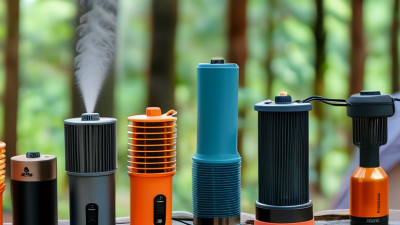
A Camping Fan is a portable device that moves air at a campsite, inside a tent, or beside a picnic table. Unlike a household fan, it usually runs on a rechargeable battery, USB power, or replaceable batteries. Its compact frame may include a handle, hanging hook, guarded blades, and several speed settings. Small details matter. A hook can direct airflow above sleeping bags, while a stable base helps on uneven ground. Yet no design works equally well in every tent.
At its core, the fan uses an electric motor to spin its blades. Those blades push air forward, creating airflow that helps sweat evaporate from skin. This can make warm conditions feel more comfortable, but it does not lower the surrounding air temperature. It is not magic. Battery capacity, speed, and distance from the sleeper all affect useful runtime and airflow. Manufacturers may report runtimes under specific test conditions, so real-world use can differ. A low setting may last longer, though its breeze may feel too faint on a humid night. A little reflection helps: stronger airflow is not always the best choice if noise interrupts sleep. Understanding the motor, power source, and placement makes it easier to choose a fan that fits your camping routine.
What a Camping Fan Is and What It Is Designed to Do
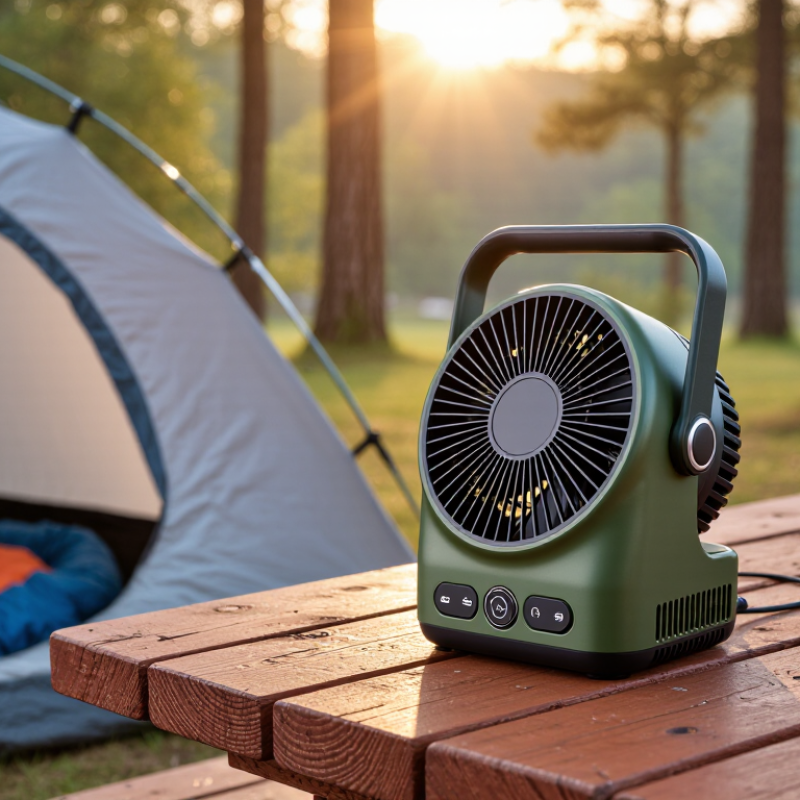
A camping fan is a compact, portable device that moves air around a tent, camper, or outdoor seating area. A motor spins the blades, drawing air in and pushing it outward. Most models run on rechargeable batteries, replaceable batteries, or USB power. They are designed to circulate air, ease stuffiness, and help sweat evaporate from skin. They do not lower the surrounding air temperature like an air conditioner. Small detail, big difference.
The U.S. Department of Energy’s Energy Saver guidance says ceiling fans can let people raise thermostat settings by about 4°F without reducing comfort. That figure describes ceiling fans, not camping-fan performance, but it illustrates how moving air can improve perceived comfort. In a tent, aim the fan across the sleeping area, and keep its intake clear of bedding or gear. Battery life varies with speed, battery capacity, and airflow resistance, so a quiet low setting may last longer. Still, airflow is not a safeguard against dangerous heat. It is easy to mistake a cooling sensation for a cooler environment.
The Main Parts of a Camping Fan
What Is a Camping Fan and How Does It Work?
The Main Parts of a Camping Fan
A camping fan moves air using a small motor and rotating blades. The motor sits inside a protective housing, while the grille helps keep fingers and loose fabric away from the blades. A rechargeable battery or replaceable cells supply power. Some models also accept USB power, which can be useful near a portable power source. Small parts matter.
The control buttons regulate speed and sometimes switch on a built-in light. A sturdy base, clip, or hanging hook holds the fan in place inside a tent. When the motor turns, angled blades push air forward, creating a breeze rather than lowering the surrounding temperature. Check that the grille is secure and the blades spin freely; a loose part may cause rattling. Not every fan is equally stable on uneven ground, so placement can take a little trial and error.
Tips: Set the fan on a flat surface or attach it firmly overhead. Keep the air intake clear of bedding, and use dry hands around charging ports. A low speed often provides quieter airflow and helps conserve battery power overnight.
What Is a Camping Fan and How Does It Work?
A camping fan is a portable fan powered by a rechargeable battery or another power source. Its motor turns the blades, moving air to help you feel cooler.
Estimated Runtime by Fan Speed
This illustrative estimate assumes a 10,000 mAh battery at 3.7 V (37 Wh nominal) and 85% usable energy. Runtime is calculated by dividing usable energy by assumed fan power: 2 W at low, 4 W at medium, and 8 W at high. Actual runtime varies by fan, battery, and conditions.
How a Camping Fan Moves Air
A camping fan moves air by using a small motor to spin its blades. The angled blades push air forward, creating a gentle stream you can feel on your skin. As air moves away, nearby air flows in to replace it. Blade size, speed, and fan position all affect the breeze. The fan circulates air; it does not lower the air temperature. That matters.
Moving air can help sweat evaporate, which may make you feel cooler. Aim the fan across an open tent doorway to encourage warm, stale air to move out. The effect depends on wind, tent layout, and available openings. In a closed tent, the fan mostly stirs the same air. Placement can be fussy, too; shift it a few inches and the breeze may reach a different spot. It is not an exact science.
Tips: Set the fan near face or chest height and aim it toward your resting area. Leave an opening so air can move through the tent. A lower setting may be more comfortable at night, especially if the hum keeps you awake. Secure the fan on a stable surface, and check its battery before bed. Easy to overlook.
Common Power Sources and Speed Controls
Camping fans commonly use built-in rechargeable cells, replaceable batteries, USB power banks, or 12-volt vehicle outlets. Each option affects weight, runtime, and charging flexibility. A power bank can sit beside a sleeping bag, but check its output voltage and current against the fan’s requirements. For a rough runtime estimate, divide usable battery watt-hours by the fan’s power draw. A 20 Wh battery running a 5 W fan could last about four hours under ideal conditions. Real use is usually shorter. Cold temperatures, aging batteries, and higher speeds can all reduce runtime.
Most fans have low, medium, and high settings; some offer a dial or finer electronic control. Low speed usually uses less power, while high speed moves more air and often creates more noise. Speed labels are not standardized, so compare wattage where the manufacturer provides it. USB-IF’s USB Power Delivery 3.1 specification supports up to 240 W over compatible USB-C systems (USB-IF, 2021), far more than many small fans require. A matching plug alone does not guarantee compatibility. It is easy to overlook that detail when packing in a hurry.
Features That Affect Performance Outdoors
A camping fan’s outdoor performance depends on more than how quickly its blades spin. Airflow matters most when you are sitting close to it, while a wider fan head can move air across a small tent. Check whether the airflow direction can be adjusted. A breeze aimed at your face may feel strong, but it can leave the rest of the tent stuffy. Small details matter.
Battery capacity affects how long the fan can run away from a power source. A high setting usually drains a battery faster, so compare estimated runtime at different speeds rather than relying on one headline number. In warm weather, a low, steady setting may be more useful overnight. Noise also deserves attention: a faint motor hum can seem louder in a quiet tent. Test it before your trip, if possible.
Placement changes the result. A stable base works on a flat table, while a hanging hook can help direct airflow above a sleeping area. Check that the fan stays secure when the tent fabric shifts. Dust, damp air, and accidental knocks can affect performance, too, so inspect the housing and controls before heading out. I sometimes overestimate how much airflow I need; a little less speed can feel more comfortable and preserve battery life.