Best Outdoor Fans to Keep You Cool in Any Situation?
Staying cool outdoors is crucial during hot weather. Outdoor fans play a significant role in enhancing comfort levels. According to the American Society of Heating, Refrigerating, and Air-Conditioning Engineers (ASHRAE), proper airflow can lower perceived temperatures by several degrees. This effect is essential for outdoor gatherings or simply relaxing on a patio.
Outdoor fans come in various styles and sizes, catering to different needs and spaces. A recent market report indicates that demand for outdoor fans is expected to grow by 5% annually. Users are seeking energy-efficient models that provide effective cooling. Nonetheless, choosing the right fan can be overwhelming; performance often varies with design and features.
Investing in a high-quality outdoor fan can yield significant benefits. However, some consumers overlook the importance of maintenance and placement for optimal airflow. Not every fan is suitable for every situation. A thoughtful selection is needed to ensure comfort while maximizing energy efficiency.

Types of Outdoor Fans: Portable, Ceiling, and Wall-Mounted Variants
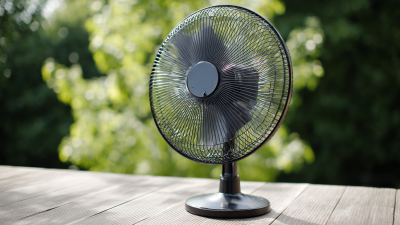
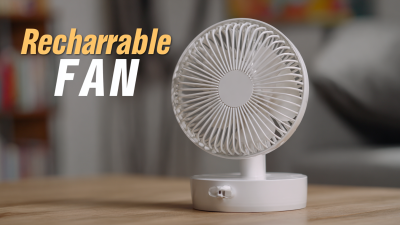
Outdoor fans come in various types, each with unique benefits. Portable fans are great for those who enjoy flexibility. You can easily move them around your patio or deck. They often run on batteries or electricity. This adaptability makes them perfect for camping trips or outdoor gatherings.
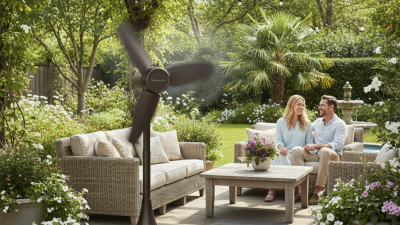
Ceiling fans can provide a stylish solution for larger outdoor spaces. They circulate air efficiently and can transform any yard into a comfortable oasis. However, you need to install them properly. Consider the height of your ceiling and the fan's size. Improper installation can lead to ineffective cooling and potential safety hazards.
Wall-mounted fans are another option to explore. These fans save floor space while still delivering a good breeze. They work well for areas where you want a consistent airflow. Proper placement is critical. If positioned too high or low, they may not effectively cool the area. Balancing aesthetics and functionality is essential. Each fan type has its specific advantages and challenges, so it is essential to assess your outdoor area carefully before making a choice.
Key Features to Look for in Outdoor Fans: Size, Power, and Design
When choosing the best outdoor fans, size, power, and design are essential features. Fans must fit your space. A compact fan suits a small patio, while larger areas need more powerful options. Pay attention to airflow rate, measured in CFM (cubic feet per minute). Higher CFM ratings indicate better airflow. For example, if your outdoor area is spacious, opt for fans with a minimum of 6,000 CFM for effective cooling.
Design also plays a crucial role. Select a fan that complements your outdoor decor. Some fans are sleek and modern, while others have a rustic charm. Materials matter too. Durable materials withstand the elements, ensuring longevity. In wet conditions, look for fans rated for outdoor use. Unique designs can add character to your space.
Tips: Consider the noise level of the fan as well. A noisy fan can disrupt outdoor gatherings. Visit stores to test the sound and airflow before buying. Don’t underestimate the importance of placement either. Positioning can make a significant difference in comfort. Experiment with the location to find what works. Remember, not every fan fits every need. It’s okay to explore different options, even if it takes time.
Energy Efficiency: Choosing Fans for Maximum Cooling and Minimum Cost
Choosing energy-efficient outdoor fans is crucial for comfort and cost savings. According to the Department of Energy, fans can reduce cooling costs by up to 30%. The right fan can maintain a pleasant atmosphere while keeping energy bills low. When selecting an outdoor fan, consider the fan's Energy Star certification. This rating signifies that the fan meets strict energy efficiency guidelines set by the U.S. Environmental Protection Agency.
Tips for selecting a fan include looking at the airflow, measured in cubic feet per minute (CFM). A higher CFM indicates better airflow. For outdoor spaces, look for fans with a CFM of at least 5,000. Another factor is the fan's motor. Brushless DC motors are quieter and more energy-efficient than traditional motors. They provide greater durability and often come with adjustable speed settings, allowing for optimized energy use.
Bigger fans can sometimes seem better, but they may consume more energy. You might need to balance size with efficiency. Placement is also vital; improperly positioned fans can create discomfort. Evaluate your outdoor areas, and think critically about airflow direction. Engaging with energy audits can provide insight into how well your fan will perform in your space, ensuring you invest wisely.
Best Brands for Outdoor Fans: Reviews and Recommendations
When it comes to outdoor fans, choosing the best brand can make a world of difference. Reliable fans are essential for enjoying summer gatherings. Look for features like durability and energy efficiency. These factors often determine a fan's performance in outdoor conditions. Fans should withstand varying weather, including moisture and heat.
Quality brands typically offer models that focus on airflow and noise levels. Some fans operate quietly, ensuring conversations aren't interrupted. Others are designed with adjustable heights and oscillation settings, providing versatility. It’s crucial to research user reviews and expert ratings before making a decision. Personal experiences can highlight strengths and weaknesses that specifications do not show.
Reflecting on your specific needs can also aid your choice. Do you need portability? Or is a stationary fan better for your space? Consider how often you’ll use the fan and the climate in your area. Not all outdoor fans will perform well in every situation. Thus, being informed will lead to better outdoor comfort and satisfaction in your decision.
Maintenance Tips for Outdoor Fans: Ensuring Longevity and Performance
Maintaining outdoor fans is crucial for their longevity and performance. Regular cleaning can prevent dust accumulation, which affects airflow. Use a soft cloth or a vacuum with a brush attachment. Pay attention to the blades; they gather dirt quickly. Clean them carefully to improve efficiency.
Check the fan's motor and wiring regularly. Any signs of wear or damage should be addressed immediately. Ignoring these issues can lead to larger problems down the line. Consider lubricating the motor once a season. This simple step can enhance performance and extend the fan's life.
Seasonal storage is also vital. Before winter, clean the fan thoroughly and store it in a dry place. Outdoor elements can cause rust and corrosion if left outside. A cover can offer extra protection. Paying attention to these details ensures your outdoor fan stays efficient and ready for use.
Best Outdoor Fans to Keep You Cool in Any Situation - Maintenance Tips for Outdoor Fans: Ensuring Longevity and Performance
| Fan Model |
Airflow (CFM) |
Energy Efficiency (W/C |
Noise Level (dB) |
Material |
Maintenance Tips |
| Portable Outdoor Fan |
2500 |
12 |
45 |
Plastic |
Clean the blades regularly and keep the motor dry. |
| Wall-Mounted Fan |
2000 |
10 |
40 |
Metal |
Lubricate the motor periodically and check for corrosion. |
| Ceiling Outdoor Fan |
3500 |
14 |
50 |
Wood Composite |
Inspect the mounting and clean the blades seasonally. |
| Stand Fan |
1800 |
13 |
37 |
Aluminum |
Store indoors during bad weather and check wiring regularly. |