Shantou Chenghai Yate Auto Accessories Factory

Leave Your Message

7 Best Car Trash Bins for Every Vehicle in 2026

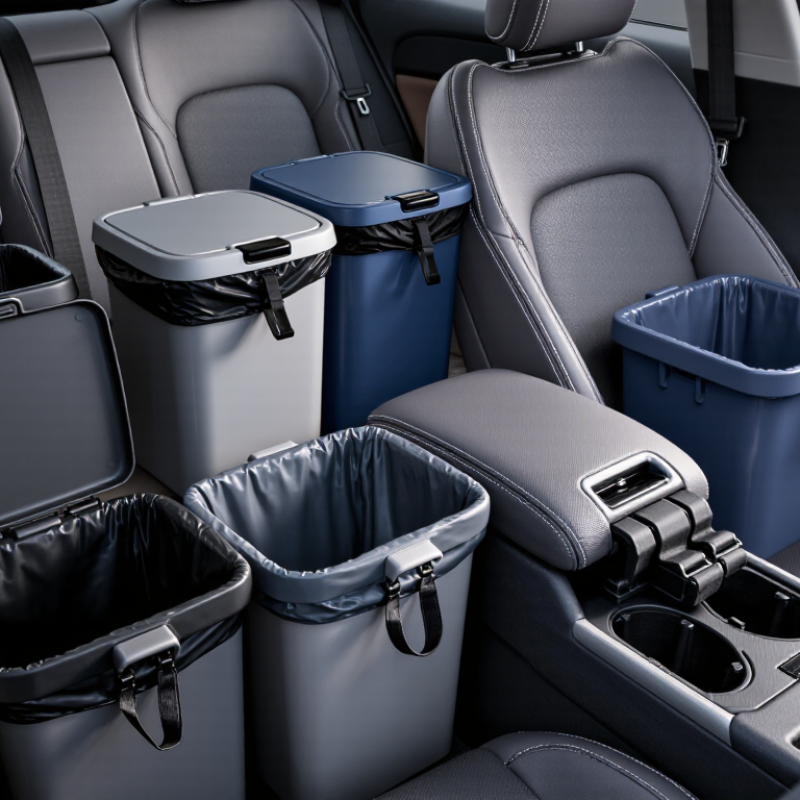
A crumpled snack wrapper can turn a tidy car into a cluttered one surprisingly quickly. Add coffee cups, tissues, and receipts, and the mess soon spreads across seats and door pockets. A Car Trash Bin gives everyday rubbish a dedicated place, helping keep the cabin cleaner and making quick stops easier.

The best option depends on your vehicle and routine. A compact bin may suit a commuter, while a larger family car may need more capacity and a secure mounting point. Useful details include a leak-resistant lining, a lid that opens easily, washable materials, and a shape that fits without blocking legroom. Small choices matter. So does placement. A bin that swings into the passenger’s knees or slips off a console may become more bother than help.

This guide looks at seven car trash bins for different vehicles and needs in 2026. It considers practical features, everyday convenience, and the upkeep each design may require. Product specifications and fit can vary, so check dimensions and attachment options before choosing. No bin is perfect. Some may hold more but take up valuable space; others may look neat yet need frequent emptying. That trade-off is worth considering. A few honest crumbs may still escape during a busy drive, but the right bin can make cleanup simpler and keep small messes from becoming a habit.
7 Best Car Trash Bins for Every Vehicle in 2026

Use EPA’s 4.9-Pound Daily Waste Baseline to Set In-Car Capacity Needs

The EPA’s 2018 Advancing Sustainable Materials Management report estimates that Americans generated 4.9 pounds of municipal solid waste per person each day. That is a useful reference point, not a claim that one driver produces that much inside a car. Much of the waste comes from home and work. Still, the figure helps frame capacity: a commuter’s coffee cup, snack wrapper, tissues, and parking receipt can quickly fill a small bin. It is an imperfect proxy. Use it as a prompt to observe your own daily litter, not as a fixed target.

The Federal Highway Administration’s 2022 National Household Travel Survey documents how travel varies across households and trips. Apply that practical lens when choosing a bin: count passengers, note trip length, and check how often you can empty it. A solo driver on short errands may need only a compact, lined container. A family taking long drives may need room for several drink cups and crumpled snack bags. Fit matters, too. A bin should stay within reach without blocking the footwell or shifting during turns. Measure the space before buying; a capacity number alone can be misleading. I would also track one ordinary week of in-car waste. The result may surprise you.

7 Best Car Trash Bins for Every Vehicle in 2026 - Use EPA’s 4.9-Pound Daily Waste Baseline to Set In-Car Capacity Needs

Use the profiles below to compare practical, unbranded bin sizes. The EPA’s 4.9-pound figure is a per-person, per-day estimate of general municipal solid waste—not a measurement of trash produced in a vehicle. Treat it as broad context, then choose a bin by passenger count, typical litter, available space, and how often you plan to empty it.

Rank Generic Bin Profile Nominal Capacity Approx. Outer Size (W × D × H) Best Fit Capacity Rationale Useful Features to Look For
1 Compact hanging pouch 2 L (0.5 US gal) 16 × 8 × 20 cm (6.3 × 3.1 × 7.9 in) Small cars, solo commutes, or limited cabin space Smallest footprint; suits a few wrappers or receipts between cleanouts. Secure adjustable strap, wipe-clean lining, and a wide opening.
2 Slim seatback bin 3 L (0.8 US gal) 20 × 9 × 25 cm (7.9 × 3.5 × 9.8 in) Compact sedans and rear-seat passengers Moderate capacity while keeping the bin close to the seatback. Stable attachment, reinforced rim, and a removable washable liner.
3 Console-side mini bin 4 L (1.1 US gal) 18 × 12 × 22 cm (7.1 × 4.7 × 8.7 in) Drivers who want a reachable bin without using the passenger footwell Useful for light daily litter; check that it does not obstruct controls. Non-slip base, lid or elastic opening, and a shape that fits the console area.
4 Door-pocket style bin 5 L (1.3 US gal) 22 × 12 × 24 cm (8.7 × 4.7 × 9.4 in) Vehicles with a clear, accessible door or seat-side mounting spot Offers a little more room for routine trips while remaining relatively narrow. Leak-resistant lining, secure hooks or straps, and a closable top.
5 Medium lidded hanging bin 6 L (1.6 US gal) 24 × 14 × 28 cm (9.4 × 5.5 × 11.0 in) Small families or regular multi-passenger use Provides extra space for snack packaging; empty regularly to control odor. Removable liner, secure lid, and an attachment point that keeps it upright.
6 Family-trip seatback bin 8 L (2.1 US gal) 26 × 16 × 30 cm (10.2 × 6.3 × 11.8 in) Crossovers, minivans, and frequent trips with children Higher volume accommodates more passengers’ light, dry trash between stops. Wide opening, washable waterproof liner, and sturdy seatback fastening.
7 Large upright cabin bin 10 L (2.6 US gal) 25 × 18 × 32 cm (9.8 × 7.1 × 12.6 in) Large SUVs or vehicles with a dedicated floor or cargo-area spot Largest option in this comparison; best when cabin space is available and the bin can be emptied often. Weighted or non-slip base, leak-resistant construction, and a secure lid.

How to use the baseline: A 5% planning allowance applied to 4.9 lb equals about 0.25 lb (4 oz) per person per day, but this is only an illustrative share of general daily waste—not an EPA estimate of in-car trash. Pounds cannot be converted reliably into bin volume without knowing the waste mix and how tightly it is packed. Capacities and dimensions above are generic size profiles; actual usable volume and fit vary by design and vehicle.
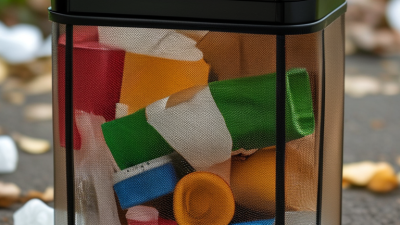
Compare Seven Car Trash Bins by Capacity, Leak Control, Fit, and Cleaning

A useful car trash bin should match the way a vehicle is used, not just look roomy online.

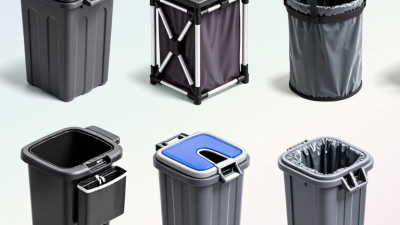
This comparison considers seven common styles: cup-holder bins, console inserts, hanging pouches, seat-back organizers, collapsible bags, rigid lidded bins, and larger passenger-area containers. Small designs suit receipts and wrappers. Bigger bins handle snack packaging, but can crowd feet or shift during sharp turns. Fit matters. Check where a bin attaches and whether passengers can reach it without stretching.

Leak control depends on more than a lid. A removable liner or washable interior helps contain damp tissues and drink drips, while a tight closure can reduce odors. Still, no ordinary bin should be treated as fully spillproof; check seams and closures before placing wet waste inside.

Cleaning is easier when the opening is wide and the liner comes out without awkward clips. A rigid bin may wipe clean quickly, but takes up fixed space. A folding style stores flat, though its seams may collect crumbs. That trade-off is easy to miss. Measure the available gap near the console, door, or seat before choosing, and consider who will empty it. A bin that fits perfectly but is hard to remove may stay dirty longer than expected.

Match Bin Designs to Sedans, SUVs, Trucks, and Family Vehicles

7 Best Car Trash Bins for Every Vehicle in 2026
Match Bin Designs to Sedans, SUVs, Trucks, and Family Vehicles

The right car trash bin should fit the cabin, not just hold more rubbish. In a sedan, a slim, upright bin near the passenger footwell can save space. Check that it won’t crowd anyone’s legs or slide under the seat. A small, leak-resistant container is often easier to empty than a deep one. It may need emptying more often, though.

SUVs usually have room for a wider bin, especially behind the center console or on the back of a seat. Look for a stable base and a lid that opens without blocking passengers. In a pickup truck, a secured bin matters on bumpy roads. A washable liner helps with dusty work gear and drink spills. For family vehicles, choose an easy-to-reach opening and a liner that comes out quickly. Crumbs happen. Even a good design won’t stay tidy by itself.

Tips: Measure the intended spot before choosing a bin. Try it with the seats in their usual positions, then check access to seat belts and storage pockets. If it’s awkward to reach, it probably won’t get used consistently.

7 Best Car Trash Bins for Every Vehicle in 2026

Match bin capacity to your vehicle type. The ranges below are practical selection guidelines, not measured market averages.

Compact bins suit sedans, while larger vehicles and family use may benefit from greater capacity. Choose a size that fits securely without obstructing passengers or controls.

Choose Secure Placement with NHTSA’s 3,308 Distracted-Driving Deaths in 2022 in Mind

A car trash bin should reduce clutter without creating a new distraction. NHTSA reported 3,308 deaths in distraction-affected crashes in 2022, in its Traffic Safety Facts: Distracted Driving report. That figure does not mean a loose wrapper causes a crash. But searching for one, or reaching toward a bin that has shifted, can pull attention from the road. Small movements matter.

When comparing bins for sedans, SUVs, and trucks, check how each stays put: a seatback strap, console mount, or stable floor position can help limit sliding. Keep it within easy reach, but never where it blocks pedals, seat-belt access, or your view. Virginia Tech Transportation Institute and NHTSA’s 100-Car Naturalistic Driving Study examined how driver inattention relates to crash and near-crash risk. Its findings support a practical rule: avoid tasks that require looking away or reaching while moving.

Empty the bin when parked. A small habit.
Fit matters more than capacity. A tall bin may hold more, yet crowd a passenger’s feet; a small one may overflow on a long commute. I’ve found that “secure” is not always obvious from a product photo, so check the mounting method and test the fit while parked. Then reassess. If it shifts, relocate it before driving.

Consider Reusable Liners Against the EPA’s 292.4-Million-Ton Waste Benchmark (2018)

A car trash bin is most useful when it stays upright through turns and has a liner you can remove without spills. Reusable liners deserve attention: they can replace repeated single-use bags, though results depend on how often you empty and wash them. EPA’s 2018 Advancing Sustainable Materials Management report estimated 292.4 million tons of municipal solid waste generated in the United States. That is a national benchmark, not a measurement of car waste. Still, it gives drivers a reason to consider small, repeatable choices.

For 2026
Compare bins by capacity, attachment method, leak resistance, and liner care. A washable liner is practical for snack wrappers and tissues, but it will not suit every mess; damp food scraps may need more frequent cleaning. Check seams and closures, and make sure the bin fits your console or door pocket without blocking safe access to controls. One drawback is easy to overlook: a bin that is awkward to empty may end up unused.

Tips: Choose a liner that can be rinsed and fully dried. Empty it at each fuel stop or when it is half-full. Keep recyclables separate when convenient, and follow local sorting guidance. Small habits matter. EPA’s figures describe household and other municipal waste broadly, so they cannot prove how much one car bin reduces. That uncertainty is worth remembering.