Shantou Chenghai Yate Auto Accessories Factory

Leave Your Message

How to Choose a Car Phone Holder in 2026?

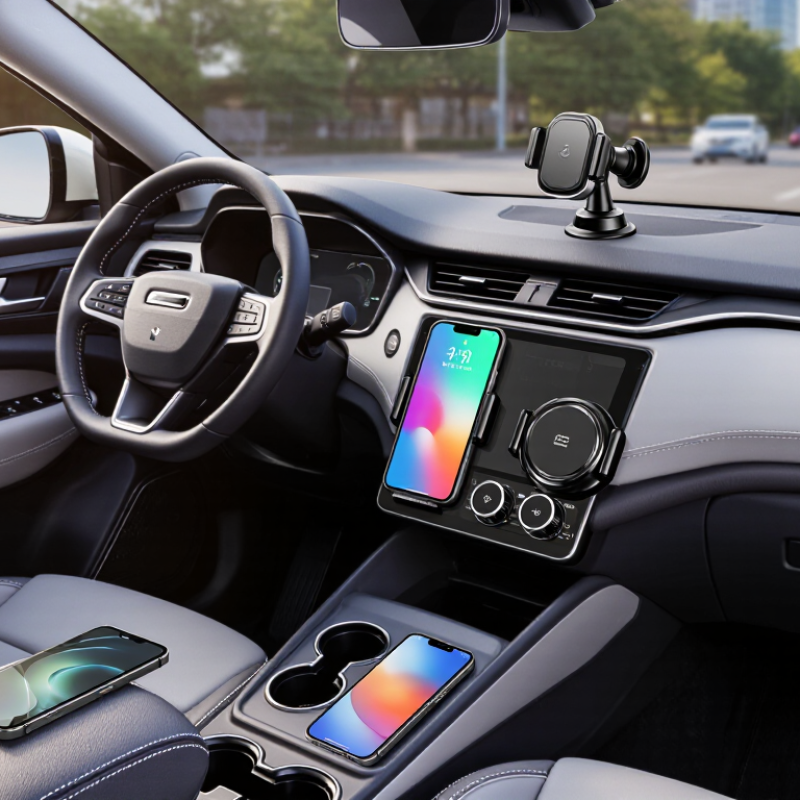
Choosing a Car Phone Holder in 2026 requires more than checking its price or appearance. Phones have become essential travel tools for navigation, communication, and emergency access. Ericsson’s Mobility Report 2024 shows continued global growth in smartphone and mobile data usage. That trend increases the need for stable, visible, and responsibly positioned in-car mounts.

Safety must guide the decision. The U.S. National Highway Traffic Safety Administration reported 3,308 traffic deaths linked to distracted driving in 2022. A holder cannot remove every distraction. It can, however, keep the screen near eye level and reduce unnecessary hand movement. Local regulations still matter. Drivers should follow traffic laws and the vehicle manufacturer’s instructions.

Real-world testing reveals what product pages often hide. I would compare dashboard, windshield, vent, and CD-slot designs across rough roads, sharp turns, and hot parking conditions. I would also check one-handed operation, grip strength, charging clearance, and removal marks. Small detail. Big consequence. Some magnetic mounts hold firmly but require a compatible phone case. Some vent clips fit securely but weaken airflow. No design suits every dashboard, phone, or driver.

This guide uses practical experience, manufacturer specifications, and safety-focused industry evidence. It also questions attractive claims that lack measurable testing. A reliable Car Phone Holder should remain steady without blocking essential controls or sightlines. The best choice is not always the most expensive model. It is the one that matches your vehicle, phone, climate, and driving habits.
How to Choose a Car Phone Holder in 2026?

What a Car Phone Holder Does and Why It Matters in 2026

How to Choose a Car Phone Holder in 2026?

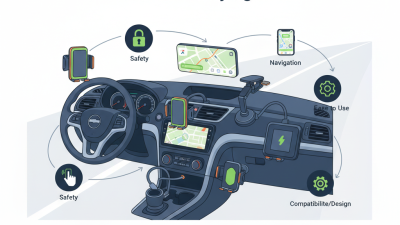
A car phone holder keeps your device visible, stable, and within comfortable reach. It supports navigation, voice control, and safer access to essential information while driving. In 2026, phones are larger, heavier, and often used with wireless charging. A suitable holder should match your phone’s size, case thickness, and charging setup. It should also avoid blocking the windshield, dashboard controls, or important road views. Small details matter. From my experience, a holder that looks strong may still shake on uneven roads. That can make directions difficult to read and create unnecessary distraction.

A reliable design usually has firm grips, smooth adjustment, and a mount that suits your vehicle. Air-vent mounts are compact, but some vents cannot support extra weight. Dashboard mounts may offer better stability, though heat and sunlight can weaken adhesive over time. Magnetic systems are convenient, but they need proper alignment and a compatible phone case. No holder is perfect. I once chose a model mainly for its appearance and later found its release button awkward to use. That mistake changed how I evaluate daily convenience.

Tips: Test the holder while parked before regular driving. Check whether you can read the screen without leaning forward. Press the phone gently to test movement. Keep the charging cable away from pedals and steering controls. Recheck the mount after several hot or cold days. A secure fit should feel boring, not noticeable.
Key Factors for Comparing Car Phone Holders

How to Choose a Car Phone Holder in 2026?

Key Factors for Comparing Car Phone Holders

A car phone holder should be compared by stability, visibility, and daily usability. Pew Research Center reported in its 2024 Mobile Fact Sheet that 91% of U.S. adults own a smartphone. That makes mounting quality more than a comfort issue. It affects how easily drivers can check navigation without handling the phone.

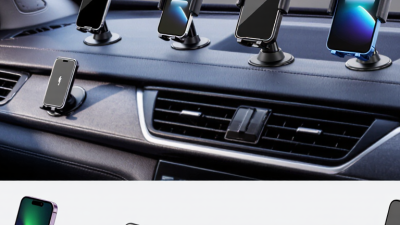
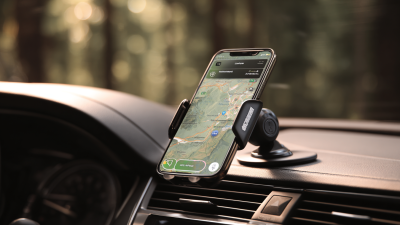
Start with the mounting position. A dashboard or windshield holder should keep the screen near eye level, but never block the road. Vent mounts save space, although heavy phones may pull weak vents downward. Test the holder with your actual phone, case, and charging cable. Small details matter. One-handed operation helps. Sharp clamps do not.

Stability also deserves close comparison. NHTSA’s 2022 Traffic Safety Facts recorded 3,208 deaths involving distracted driving. A secure holder cannot remove distraction, but it can reduce unnecessary hand movement. Look for a locking arm, a wide contact surface, and resistance to vibration. Heat matters too. A car interior can become extremely hot, and adhesive pads may soften over time. I once trusted a holder that felt solid in a parked car; rough roads proved otherwise. That mistake changed my testing method. Try several road surfaces before judging it. Perfect fit is not guaranteed. Reliability comes from repeated use, not attractive packaging.

How to Choose a Car Phone Holder in 2026? - Key Factors for Comparing Car Phone Holders

Comparison Factor Vent-Clip Holder Dashboard or Windshield Mount CD-Slot Mount Cup-Holder Mount Magnetic or Wireless-Charging Mount
Typical installation location Air-conditioning vent slat Dashboard or windshield Unused CD-player slot Vehicle cup holder Vent, dashboard, windshield, or other compatible mount point
Common phone width range Approximately 55–88 mm; confirm the holder specification Approximately 55–100 mm; larger models may require wider arms Approximately 55–90 mm; case thickness may reduce compatibility Approximately 55–95 mm; depends on the clamp design Magnetic models depend on the magnetic ring; clamp versions commonly support about 55–100 mm
Case compatibility Usually compatible with slim and medium cases; thick cases can prevent secure clamping Generally good with cases if the side arms can open wide enough Often limited by thick, rugged, or wallet-style cases Usually good with cases when the holder has adjustable arms Requires a compatible magnetic ring or magnetic case; wireless charging may be affected by thick metal accessories
One-hand operation Good with automatic or spring-loaded clamps Good with a quick-release or automatic clamp Good after the mount is correctly adjusted Good, although the larger base can require two-handed adjustment Excellent for magnetic attachment; clamp-based versions are generally good
Road-vibration resistance Moderate; vent slats can flex or move on rough roads Good when the base is firmly attached and the dashboard surface is suitable Good in compatible vehicles; vibration depends on slot condition and mount fit Very good because the base is supported by the center console; may occupy a cup holder Ranges from moderate to very good depending on the mounting base and magnetic or clamp strength
Adjustability Usually 360-degree rotation; limited by vent position Typically 360-degree rotation with adjustable viewing height and angle Usually 360-degree rotation; viewing height is often limited Often includes a telescopic arm and 360-degree rotation Usually offers 360-degree rotation; magnetic positioning is fast but less mechanically locked
Charging capability Normally requires a separate charging cable Available with cable pass-through or integrated wireless charging Normally requires a separate charging cable Available with cable pass-through or integrated wireless charging Designed for magnetic attachment or wireless charging; charging speed depends on the phone, charger, alignment, and vehicle power supply
Effect on vehicle functions Can obstruct airflow or put stress on delicate vent slats May obstruct part of the windshield, dashboard controls, or driver sightlines if positioned incorrectly Uses the CD slot and may prevent access to the player Consumes one cup holder and may interfere with storage or beverage use Depends on the selected base; wireless models may produce heat during charging
Installation and removal Fast installation with no adhesive; easy to move between vehicles Suction models are removable; adhesive bases may leave residue or require surface preparation Quick to install if the vehicle has a compatible slot; removal normally leaves no adhesive Easy to install and remove; fit depends on cup-holder diameter and depth Easy to use after the base is installed; adhesive and suction versions require clean, suitable surfaces
Best suited for Drivers seeking a compact, low-cost, non-permanent solution Drivers who want a higher viewing position and broad angle adjustment Vehicles with an unused CD slot and limited suitable dashboard space Drivers who prioritize stability and have an available cup holder Drivers who want rapid attachment, a clean appearance, or charging convenience
Key check before purchase Check vent-slat shape, slat strength, phone width, and case thickness Check dashboard material, windshield visibility, suction diameter, and local mounting regulations Confirm that the vehicle has a usable CD slot and that the mount does not damage the slot mechanism Measure cup-holder diameter and depth; check whether the adjustable base fits securely Confirm magnetic-ring alignment, wireless-charging compatibility, heat management, and the required power connection

Note: Compatibility and performance vary by vehicle interior, phone size, case design, road conditions, and mounting position. The holder should never block the driver’s view or interfere with essential vehicle controls.

Mounting Types and Their Best Use Cases

How to Choose a Car Phone Holder in 2026?
Mounting Types and Their Best Use Cases

A dashboard mount suits drivers who want a stable viewing angle without blocking the windshield. Its adhesive base needs a clean, dry surface. Textured dashboards can reduce grip over time. I tested one on a summer trip, and heat softened the adhesive slightly. That detail is easy to overlook. Choose a low-profile arm and keep the phone below your main sightline.

Windshield suction mounts work well in rental cars or vehicles with limited dashboard space. They install quickly and adjust easily. However, direct sunlight can heat the phone and weaken suction. Clean the glass before installation, then press the cup firmly. Check it before every trip. A falling phone is distracting.

Air-vent mounts are compact and convenient for short commutes. They leave the dashboard clear and usually install without tools. Their weakness is airflow. A heavy phone may pull the vent downward, while hot or cold air can affect the device. Clip the holder to a strong horizontal vent, not a loose vertical slat. Magnetic mounts offer fast one-hand placement, but they require a compatible plate and careful alignment. I prefer testing the mount on rough roads before trusting it daily. No holder is perfect. The best choice depends on visibility, vehicle design, climate, and phone weight.

How to Choose a Car Phone Holder in 2026?

Mounting Types and Their Best Use Cases

The chart compares common mounting types using a practical suitability score from 1 to 5. Dashboard mounts offer the best balance for everyday navigation, while headrest mounts are most suitable for rear-seat entertainment. Windshield mounts provide strong visibility but may obstruct the driver’s view if positioned incorrectly.

Evaluation criteria: installation stability, viewing accessibility, driver visibility, and suitability for the listed use case. Actual performance depends on vehicle design, road conditions, and local regulations.

How to Match a Holder With Your Car and Phone

How to Choose a Car Phone Holder in 2026?

Matching a phone holder to your car starts with the cabin, not the advertisement. Check your dashboard texture, vent shape, windshield angle, and available space. A smooth dashboard may support an adhesive base, while a textured surface may need a stronger mechanical mount. Vent holders suit some cars, but weak or narrow vents can sag under a heavy phone. Measure twice.

Your phone also matters. A large device, protective case, or attached wallet increases weight and thickness. Test the holder’s grip with the case installed. Side arms should hold the phone firmly without pressing buttons. If you use wireless charging, confirm that the holder aligns with your phone’s charging area. Small alignment errors can cause repeated charging interruptions. That matters during long drives.

I once chose a mount by appearance alone, and the viewing angle became awkward at night. That shortcut was wrong. Set the phone near eye level, but never block the road, mirrors, airbags, or essential controls. Check whether the mount remains stable during braking and turns. A reputable holder should provide clear load limits and installation instructions. Still, real vehicles differ, so inspect the fit after installation. Heat, vibration, and dust can weaken adhesive over time. Follow local traffic rules, because windshield and dashboard placement restrictions vary by location.

Safety, Legal, and Future-Ready Features to Check

A car phone holder should protect attention, not simply display a larger screen. The World Health Organization reports that mobile phone use while driving makes a crash approximately four times more likely. In the United States, NHTSA recorded 3,308 deaths involving distracted driving in 2022. These figures make stability a safety feature, not a convenience.

Choose a holder that keeps the phone below eye level and outside airbag deployment zones. It should not cover the windshield, instrument panel, mirrors, or essential controls. Laws differ widely. Some jurisdictions restrict windshield mounting, handheld use, or any visible phone operation, even when the device is secured. Check local rules before installation.

A reliable mount should resist sudden braking, road vibration, and summer heat. Test it with one hand parked. I still find some “universal” mounts loosen after weeks, which deserves more attention from manufacturers. Future-ready models may support wireless charging, USB-C power, voice control, and automatic locking. Yet extra features can create distraction or heat. Simpler is sometimes safer.

Tips: Place the holder before driving. Pair navigation and voice commands while parked. Keep notifications muted. Test night glare on a short route. Review the mount after a hard stop or extreme temperature. NHTSA’s traffic-safety guidance consistently treats visual-manual phone tasks as a serious distraction. A holder cannot make illegal or unsafe phone handling acceptable.