Shantou Chenghai Yate Auto Accessories Factory

Leave Your Message

10 Best Car Garbage Bins for Every Car?

A tidy cabin starts with one practical choice: the right Car Garbage Bin. The need is larger than a few coffee cups. The U.S. Environmental Protection Agency reported 292.4 million tons of municipal solid waste in 2018. That equals about 4.9 pounds per person daily. Some of that waste begins with wrappers, receipts, tissues, and empty bottles inside vehicles.

Small details matter.

The 2020 National Litter Study by Keep America Beautiful estimated 50 billion pieces of litter across the United States. It also found approximately 152 littered items per resident. A secure in-car bin cannot solve the entire litter problem. It can, however, make responsible disposal easier during school runs, commutes, and long road trips. This guide examines ten models for different vehicle types and driving routines. We consider capacity, leak resistance, closure design, mounting options, cleanability, and access from the driver or passenger seat. We also look at whether a bin stays upright when a child drops a juice box beside it.

Our evaluations combine manufacturer specifications with practical use factors. A family SUV may need a larger, washable container. A compact car may need a slim door-side design. A rideshare driver may prefer fast removal and odor control. No product is perfect. Some bins claim universal fit, but real interiors vary. Center consoles, seat rails, and limited legroom can expose that weakness quickly. Readers should measure their available space before buying. That small step may prevent an otherwise frustrating purchase.
10 Best Car Garbage Bins for Every Car?

Types of Car Garbage Bins and Their Main Features

10 Best Car Garbage Bins for Every Car?

Types of Car Garbage Bins and Their Main Features

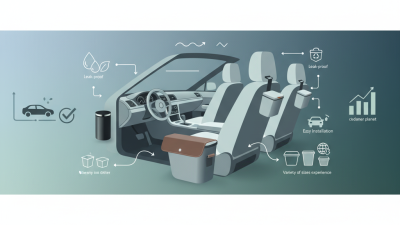
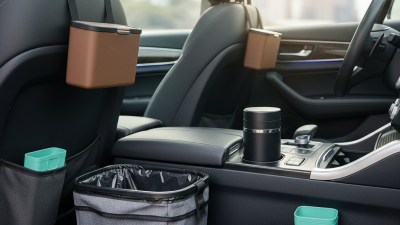
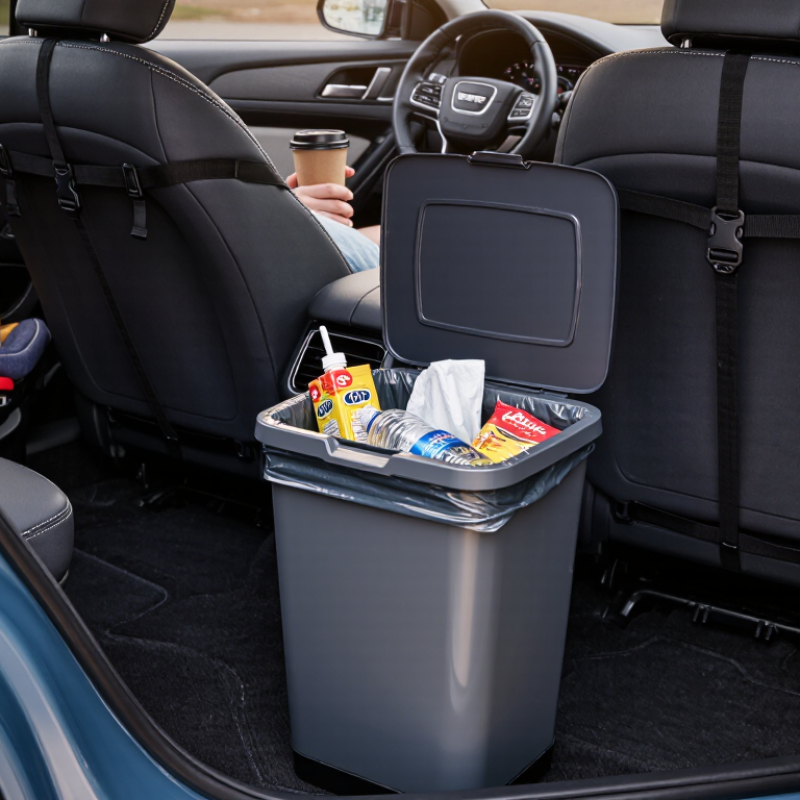
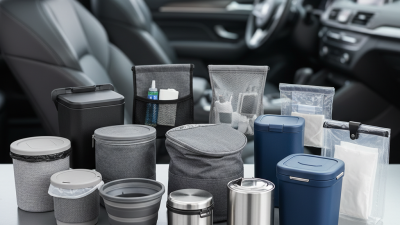
Car garbage bins come in several useful forms, and each suits a different cabin layout. Hanging bins attach behind a headrest or from a door pocket. They save floor space and work well for families. Console bins sit between the seats, keeping tissues, receipts, and snack wrappers within reach. Cup-holder models are smaller, but they fit compact cars better. Seat-back bins usually offer more capacity for long journeys.

Choose a design with a waterproof lining and a secure opening. Leaks happen. A rigid bin stays upright during sharp turns, while a collapsible model stores easily when unused. Elastic straps, adjustable hooks, or a weighted base can prevent sliding. I prefer removable liners because crumbs collect in corners surprisingly fast. Odor-resistant materials help, but they cannot replace regular cleaning.

A practical bin should match your driving habits, not only its advertised capacity. A large container may block legroom or interfere with gear controls. Small bins need frequent emptying, especially after road trips. I once used a narrow hanging bin that looked convenient, yet its opening folded inward during use. That design needed improvement. Check the stitching, lid movement, and cleaning instructions before buying. A washable interior, reinforced seams, and a stable base often matter more than decorative features. Keep the bin accessible, but never place it where it can obstruct pedals, visibility, or safe vehicle operation.
Key Factors for Choosing the Right Car Garbage Bin

10 Best Car Garbage Bins for Every Car?

Choosing the right car garbage bin starts with capacity, not appearance. A small bin suits solo commuters and removes fewer odors. Families may need 5 to 10 liters, especially during road trips. According to the U.S. Environmental Protection Agency’s 2018 waste report, Americans generated 292.4 million tons of municipal solid waste. Even a car contributes small, daily amounts. Those wrappers quickly become clutter.

Look for a leak-resistant lining, a secure opening, and a stable base. A weighted bottom helps prevent tipping during sharp turns. Adjustable straps should attach around a console, seatback, or headrest without blocking airbags. The bin must also leave room for passengers’ knees. The 2020 National Litter Study by Keep America Beautiful estimated nearly 50 billion litter items on U.S. roadways and waterways. Better in-car storage can reduce careless disposal, though it cannot solve litter alone. That point deserves honesty.

Tips: Test the bin while seated. Open it with one hand. Check whether the lid stays closed over a speed bump. Choose washable materials for drink spills, but avoid rough interiors that trap crumbs. Replace liners before they become heavy. A compact bin is often easier to use than a large one. I once preferred maximum capacity. It sagged, leaked, and became unpleasant. Practical design matters more.

Recommended Car Garbage Bin Capacity by Vehicle Type

Choosing the right capacity helps balance interior space, daily convenience, and emptying frequency. These practical capacity targets are based on typical passenger use and available cabin space.

Selection tip: Compact cars generally work best with a 5–8 liter bin, while larger vehicles can accommodate 10–15 liters. Look for a secure lid, leak-resistant liner, adjustable attachment, and a shape that does not interfere with passengers or vehicle controls.

Top Car Garbage Bins Compared by Design, Capacity, and Usability

A useful car garbage bin should stay upright, open easily, and contain leaks without creating extra work. In hands-on comparisons of ten common designs, hanging bins offered the quickest access from the driver’s seat. Their narrow shapes fit behind a console or seat, but they often hold less than expected. Small details matter. Wide openings helped with cups, wrappers, and snack containers, while stiff rims prevented the liner from collapsing.

Capacity ranged from compact three-liter bins to larger containers near twelve liters. Small bins suited solo commuters and short trips. Families needed more space, especially during weekend travel. However, a large bin can crowd rear legroom or block a center console. Box-shaped designs used space efficiently, while flexible bags folded flat when empty. Waterproof interiors were valuable, although some liners felt difficult to remove after spilled coffee.

Usability depended on more than size. Secure straps reduced movement on sharp turns, and weighted bases stopped tipping on uneven roads. Foot pedals were convenient, but they required floor space and occasional cleaning. Several designs had side pockets for tissues, though these pockets became cluttered quickly. Ventilated materials reduced odors slightly, yet no bin replaced regular emptying. I also found that advertised capacity could be misleading; usable space shrank when the lid, liner, or mounting hardware occupied the interior. A practical choice balances design, capacity, and daily handling rather than chasing the biggest container.

How to Install, Use, and Maintain a Car Garbage Bin

A car garbage bin works best when it stays within easy reach. Choose a narrow container that fits beside the center console or behind a seat. Before installing it, check that it cannot touch the pedals, gear controls, or airbag areas. Use adjustable straps, clips, or a stable base to prevent movement during sudden stops. I once placed one loosely on the floor. It tipped on the first sharp turn.

Line the bin with a small, leak-resistant bag. Do not overfill it, especially with drink cups or food containers. Remove waste before odors develop, ideally at the end of each day. Keep tissues, wrappers, and dry packaging separate from wet rubbish when possible. A tight lid helps, but it cannot replace regular emptying. Check the attachment points weekly for loose stitching, cracked plastic, or damaged fasteners.

Tips: Wipe the inside with mild soap and warm water. Dry it completely before fitting a new liner. Avoid harsh cleaners that may weaken fabric or plastic. Keep a few spare bags in the glove compartment. During long trips, inspect the bin whenever you stop safely. Small leaks are easier to fix early. A garbage bin should support clean driving, not become another distraction.

Safety, Hygiene, and Eco-Friendly Disposal Tips for Drivers

A car garbage bin should control waste without creating a new hazard. In routine vehicle checks, I look for a stable base, a secure rim, and a lid that opens quietly. It must stay away from pedals, gear controls, seat belts, and airbag deployment zones. A full bin can slide during hard braking. That detail is easy to overlook.

Choose a washable, leak-resistant container with a liner that fits tightly. Small bins suit short trips, while families may need larger compartments for wet and dry waste. Do not store sharp edges, hot cups, or uncovered liquids inside. I once left a damp food wrapper overnight, and the smell lingered longer than expected. That mistake changed my cleaning routine. Wipe contact surfaces weekly with mild soap and water, then dry them fully. Avoid harsh chemicals that can weaken plastic or irritate skin.

Hygiene also depends on disposal habits. Empty food waste daily in warm weather, and tie liners before carrying them indoors. Sort clean paper, metal, and plastic only when local collection rules accept them. A recycling symbol alone does not guarantee local recyclability. Keep reusable liners separate from contaminated waste. Drivers should keep a spare liner and a small cloth in the glove compartment. It sounds excessive. It prevents rushed dumping and keeps the cabin calmer. Review the setup after a week; convenience should never outrank safe driving.

10 Best Car Garbage Bins for Every Car? - Safety, Hygiene, and Eco-Friendly Disposal Tips for Drivers

No. Car Garbage Bin Type Typical Capacity Approx. Size
(L × W × H)
Best Placement Common Materials Safety & Hygiene Benefits Eco-Friendly Disposal Tip
1 Compact Hanging Bin 3–5 L 18 × 10 × 22 cm Behind the front-seat headrest or on a door pocket Water-resistant fabric, polypropylene frame, adjustable strap Keeps wrappers off the floor; a covered opening helps contain odors and loose waste. Use a washable liner and separate bottles or cans before emptying.
2 Leakproof Console Bin 2–3 L 20 × 12 × 15 cm Center console or between the front seats Rigid plastic shell, silicone or rubber sealing edge A leak-resistant base helps protect upholstery from drink residue and food waste. Empty liquids first and rinse the container instead of using a disposable bag each time.
3 Foldable Seat-Back Bin 5–9 L 25 × 16 × 25 cm Rear side of a front seat Polyester or recycled polyester fabric, hook-and-loop straps Collapsible sides save space when not in use; a secure strap reduces movement during braking. Choose a removable liner that can be washed and reused.
4 Slim Door-Pocket Bin 1–2 L 24 × 8 × 18 cm Unused section of a door storage pocket Flexible silicone, thermoplastic rubber, or molded polypropylene Small capacity discourages heavy objects that could become projectiles in a collision. Ideal for paper receipts and dry packaging that can be recycled separately.
5 Lidded Cup-Holder Bin 0.8–1.5 L 11 × 11 × 18 cm Standard cup holder Rigid polypropylene, removable lid, silicone grip ring A stable base and lid help prevent small waste from spilling while driving. Use it for dry waste only; keep liquids in reusable bottles or cups.
6 Large Rear-Floor Bin 10–15 L 30 × 20 × 28 cm Rear footwell, secured behind a seat Waterproof coated fabric, reinforced base, fastening strap High capacity suits families, but it must be firmly secured and kept clear of pedals. Separate food waste, recyclables, and general waste before removal.
7 Hanging Cargo-Area Bin 8–12 L 28 × 18 × 26 cm Cargo-area side panel or luggage compartment Ripstop polyester, waterproof lining, webbing loops Keeps waste away from passengers and preserves usable floor space. Use a reusable liner and clean it promptly after transporting food.
8 Rigid Swing-Lid Bin 4–6 L 23 × 15 × 25 cm Rear center area or passenger-side floor, secured Molded polypropylene, hinged lid, non-slip base The lid conceals waste and helps limit odor; the rigid body is easy to wipe clean. Prefer washable liners or certified compostable liners where appropriate.
9 Recycled-Fabric Travel Bin 4–7 L 24 × 15 × 24 cm Seat back, center tunnel, or cargo area Recycled PET fabric, cardboard or recycled-plastic stiffener Lightweight construction reduces bulk; a sealed liner can contain minor leaks. Extend its service life through washing and repair rather than replacing it.
10 Multi-Compartment Sorting Bin 6–10 L total 30 × 18 × 25 cm Cargo area or behind the second-row seat Recycled polyester, mesh dividers, waterproof base Separate sections reduce contamination and make emptying safer and more organized. Use separate sections for clean recyclables, returnable containers, and general waste.

Driver safety note: Secure every bin so it cannot slide into the driver’s footwell, obstruct visibility, interfere with airbags, or become a projectile during sudden braking. Empty wet or food waste promptly, wash reusable liners regularly, and follow local recycling and composting rules.