How to Choose the Best Desk Fan for Your Workspace?
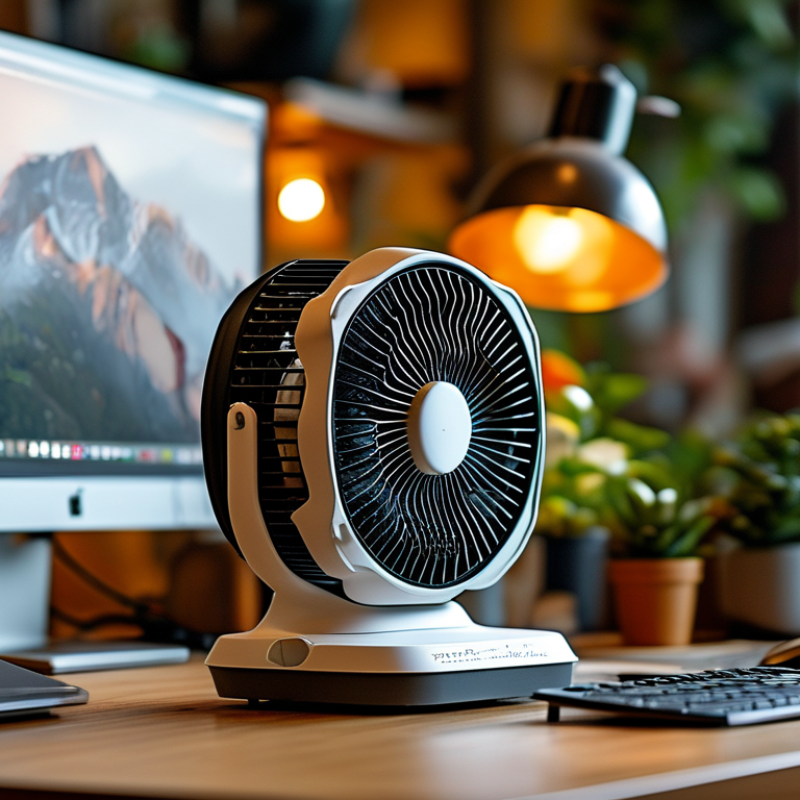
Choosing the right desk fan can significantly enhance your workspace comfort. A desk fan not only cools the air but also can improve your focus. In today's fast-paced environment, a well-ventilated space is essential for productivity.
When exploring options for desk fans, consider various factors. Size matters; a compact fan fits better in small work areas. Noise level is crucial; a quieter fan allows for uninterrupted work sessions. Pay attention to design as well; an aesthetically pleasing fan can enhance your workspace.
However, not all desk fans are created equal. Some can be too noisy, distracting you from tasks. Others may not provide adequate airflow. It’s essential to read reviews and conduct thorough research. Finding the perfect desk fan can take time, and it's worth reflecting on what features suit your needs best.
Understanding the Different Types of Desk Fans Available
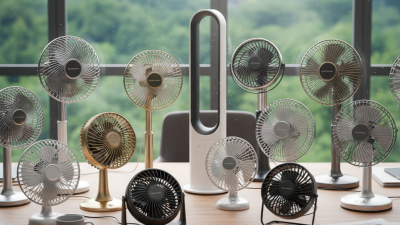
When selecting a desk fan, understanding the types available is crucial. Desk fans typically fall into three categories: bladed, bladeless, and USB fans. Bladed fans create airflow by using rotating blades and are often adjustable. Studies show they can improve air circulation in a workspace by up to 30%. However, these fans can be noisy and may require regular cleaning.
Bladeless fans, on the other hand, utilize air multiplier technology. This design allows for smooth airflow without external blades. Reports indicate that consumers prefer these fans for their safety and sleek design. However, they may not offer the same level of airflow as traditional options. USB fans are another popular choice, particularly for smaller desks. They are powered by a USB connection, making them portable. While they provide limited airflow, their compact and quiet operation suits personal spaces.
Each type has pros and cons. For instance, bladed fans are effective but can be cumbersome to maintain. Bladeless options are modern, yet may underperform in cooling. USB fans are convenient but lack power. Analyzing your workspace needs will help you decide.
Key Features to Look for in a Desk Fan
When looking for the best desk fan, focus on key features that make a real difference. First, consider the fan's size and design. A compact fan can fit snugly on your desk without taking too much space. However, larger fans might provide better airflow. Think about your workspace and the room you have available. A good balance is essential.
Next, examine the fan's noise level. If you work in a quiet environment, look for fans labeled as whisper-quiet. Noisy fans can be distracting and disrupt your focus. Adjustable speed settings are also crucial. They allow you to customize airflow based on your needs. Some days, a gentle breeze suffices, while others may require a stronger airflow.
Lastly, check for additional features like oscillation and timers. Oscillation allows the fan to distribute air evenly across your workspace. Timers can help control usage and energy costs. Though these features are helpful, weigh their importance against your budget. Sometimes, less is more. Choosing a fan with essential features can still offer comfort and efficiency without unnecessary complexity.
Airflow Comparison of Popular Desk Fan Types
This chart compares the airflow produced by various types of desk fans, measured in Cubic Feet per Minute (CFM). Different types of desk fans, such as table fans and USB fans, have varying airflow capabilities, which can impact their effectiveness in cooling your workspace.
Considering Room Size and Desk Space for Fan Selection
When selecting a desk fan, room size and available desk space are crucial factors. A report by the Industrial Research Institute shows that fans come in various sizes, typically ranging from 10 to 14 inches in diameter. For smaller workspaces, a compact fan is often more suitable, ensuring efficient airflow without occupying too much desk space. Over-sized fans might provide strong airflow but can be cumbersome in tight areas.
Moreover, the fan's power is another important consideration. According to the Home Appliance Manufacturers Association, a standard desk fan typically uses about 40-100 watts. In a small room, a lower-watt fan can provide sufficient cooling without excessive noise. Many users overlook noise levels. A quiet fan can enhance focus and productivity, while a loud one might distract you. Therefore, checking decibel ratings is equally vital.
Another factor is the fan’s design. Aesthetic appeal is significant in a workspace. However, functionality should not be compromised. Some fans may look great but fail to deliver adequate airflow. Finding the balance between style and performance can be a challenge. Remember, the right desk fan not only cools but also complements your workspace, influencing your overall productivity.
Noise Levels and Energy Efficiency of Desk Fans
When selecting a desk fan, noise levels are crucial. A study by the American Society of Heating, Refrigerating and Air-Conditioning Engineers (ASHRAE) shows that a fan operating over 50 decibels can disrupt concentration. Many desk fans, however, achieve noise levels as low as 35 decibels. This translates to a quiet room, ideal for maintaining focus. For those in shared or open office spaces, a quieter fan ensures minimal distractions.
Energy efficiency is another key factor in choosing a desk fan. According to the U.S. Department of Energy, energy-efficient models can save up to $20 per year in electricity costs. Fans labeled with the Energy Star rating typically use 60% less energy than standard models. While these may have a higher initial cost, long-term savings justify the investment. Consumers should also consider variable speed settings, which allow for tailored airflow, further enhancing energy efficiency.
Reflecting on personal experiences, I found that the quietest fans often lack adequate airflow. It’s a balancing act between sound and performance. Features like timers or remote controls, while convenient, can introduce complexities that some may find unnecessary. Ultimately, making an informed choice hinges on evaluating both noise and efficiency alongside personal preferences.
How to Choose the Best Desk Fan for Your Workspace? - Noise Levels and Energy Efficiency of Desk Fans
| Fan Type |
Noise Level (dB) |
Energy Efficiency (W) |
Airflow (CFM) |
Price Range (USD) |
| Table Fan |
30 - 50 |
20 - 40 |
600 - 900 |
25 - 75 |
| Clip Fan |
25 - 45 |
15 - 30 |
200 - 500 |
20 - 60 |
| Column Fan |
35 - 55 |
40 - 60 |
700 - 1000 |
50 - 150 |
| Tower Fan |
30 - 50 |
30 - 50 |
400 - 800 |
40 - 120 |
| Desk Fan with Oscillation |
28 - 48 |
25 - 45 |
500 - 800 |
30 - 90 |
Budget Considerations When Choosing a Desk Fan
When considering a desk fan, budget plays a crucial role. You want a fan that is affordable yet effective. Prices can vary widely, so setting a clear budget is essential. This helps narrow down choices and prevents overspending. Remember, the lowest price doesn’t always guarantee quality or efficiency.
Tips for budgeting wisely include researching features that suit your needs. Some fans offer oscillation and adjustable speed settings. Consider which features are necessary for your workspace. A fan with multiple speeds can be a more flexible option. Don’t overlook the noise level; a quieter fan helps maintain concentration.
Another useful approach is to look for sales or discounts. Seasonal promotions often occur, making it possible to find great deals. Additionally, reading customer reviews can provide insights into performance versus cost. Too often, people ignore feedback. Reviews reveal potential issues and advantages of specific models, helping you make more informed choices.