2026 Best Car Fan Features You Should Look For?
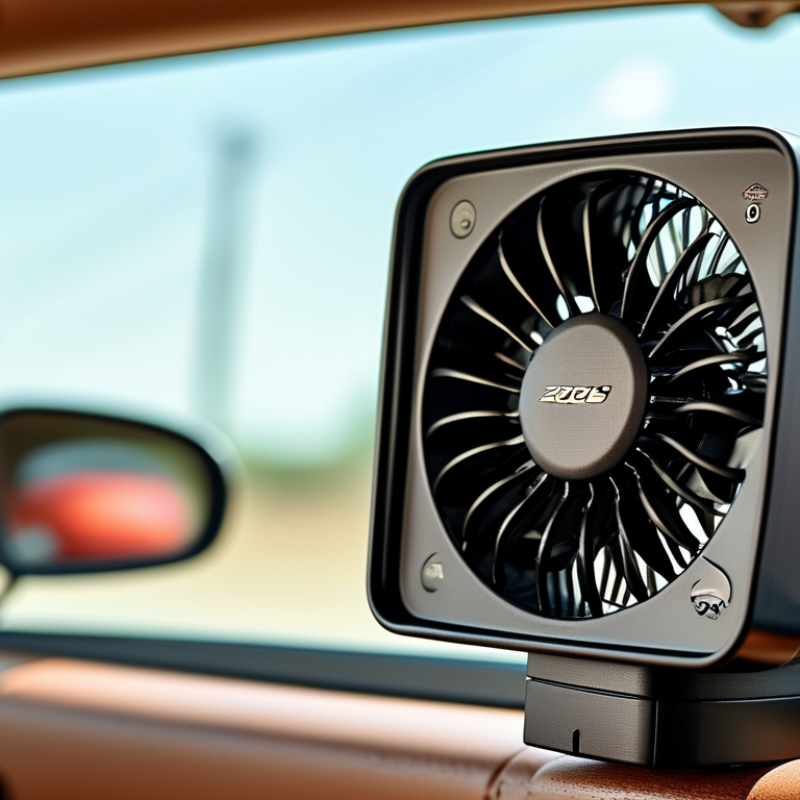
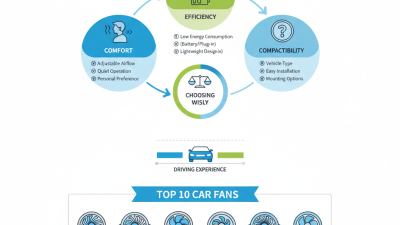
Choosing the right fan for car use can enhance your driving experience. In hot weather, a reliable fan for car is crucial for comfort and safety. Many options are available, which may feel overwhelming for car owners. Features like size, noise level, and power source all matter.
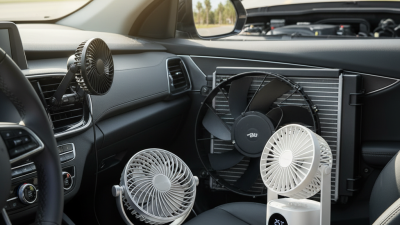
When considering a fan for car, think about where you will place it. Some fans attach to windows or vents, while others are portable. Be cautious, though; some models can create distractions. It's essential to focus on fan stability and airflow efficiency. Ideally, you want a fan that cools without being intrusive.
As you explore various models, pay attention to user reviews. They provide practical insights into reliability and performance. A well-informed choice can elevate your comfort level significantly, especially during long drives or traffic jams. Evaluating these aspects will lead you to the best car fan for your needs.
Understanding Car Fans: Key Functionality and Features
When selecting a car fan, it's essential to understand its key functionalities. These systems provide necessary ventilation to maintain optimal temperatures, especially during hot weather. Efficient airflow can prevent overheating of various engine components, enhancing overall vehicle performance. Look for adjustable speed settings, allowing you to control airflow based on your needs.
Another critical aspect is the fan's durability. High-quality materials resist wear and tear, ensuring longevity. Pay attention to noise levels; some fans operate quietly while others can be disruptive. A balance of efficiency and quiet operation is often ideal.
Installation options matter too. Some fans come with easy-to-follow instructions, while others may prove challenging for the average user. A complex setup can lead to improper use and might negate the fan's benefits. Investing time in research and understanding features can lead to a better choice. Always consider the specific requirements of your vehicle and driving conditions.
Essential Cooling Mechanisms for Optimal Performance in Cars
When considering the essential cooling mechanisms in cars, effective airflow and temperature regulation are key. A well-designed cooling system can prevent overheating during intense operations. Proper ventilation allows hot air to escape while bringing in cooler air. This balance enhances engine efficiency and extends vehicle life.
Thermal management systems offer additional solutions. They help maintain optimal temperatures in critical components. Some vehicles use liquid cooling systems for better heat dissipation. However, maintenance is often overlooked. Regular checks ensure these systems operate effectively and prevent potential failures.
Many drivers underestimate the role of climate control systems. These systems do more than regulate cabin comfort; they protect sensitive electronics and systems from heat damage. Investing in quality fans and maintaining them is crucial. Yet, many still neglect to review their performance. A consistent inspection routine could save time and money in the long run.
Comparative Analysis of Electric vs. Mechanical Car Fans
When choosing car fans, consider the electric and mechanical types. Electric fans are increasingly popular due to their efficiency. According to a 2022 report by the Automotive Engineering Society, electric fans can improve fuel efficiency by up to 3%. They operate on demand, reducing energy waste. This feature makes them particularly suitable for modern fuel-efficient vehicles.
Mechanical fans, though traditional, have their place. They run directly off the engine, which can add load and affect fuel consumption. Research indicates that mechanical fans might decrease efficiency by up to 5% compared to electric fans. However, they are often more robust and reliable in harsher environments. Some users find their performance consistent and dependable, often requiring less maintenance.
Choosing between these two types can be challenging. Factors like temperature regulation, vehicle weight, and maintenance should all be considered. Electric fans provide great efficiency, but potential issues can arise with electronic components. Mechanical fans are reliable but may hinder performance. This decision often reflects the owner's priorities, whether they lean towards efficiency or reliability.
User-Friendly Features: Controls and Operation of Car Fans
When choosing a car fan, user-friendly features are essential for smooth operation. Controls should be intuitive, enabling effortless adjustments while driving. Simple buttons or easy-to-use knobs can enhance safety, allowing drivers to focus on the road. A 2021 automotive report noted that 75% of users prioritize ease of use in interior features.
Another aspect to consider is the fan's noise level. A quieter fan enhances comfort during your drive. Many car fans showcase decibel levels in their specifications. A noise level below 60 dB is ideal for a peaceful ride. When testing potential fans, listen for any buzzing or rattling sounds that could be distracting.
Tips: Look for fans with an automatic shut-off feature. This saves energy and ensures you don’t drain your car battery. Additionally, consider fans with adjustable speed settings, giving you more control over airflow. Remember, not all models offer the same level of convenience, so it's worth doing thorough research to find the perfect fit for your needs.
Durability and Maintenance Considerations for Car Fan Longevity
When considering car fans, durability plays a crucial role in ensuring long-term functionality. The lifespan of a well-made car fan can range from five to seven years with proper care. However, environmental factors can shorten this period. Reports indicate that more than 30% of car fan failures stem from poor maintenance routines, which often go unnoticed. Routine checks can help identify issues before they escalate.
Material quality significantly affects durability. Fans made from high-grade plastic or metal resist heat better and are less prone to cracks. Regular inspections for wear and tear, including checking electrical connections, are vital. Research shows that nearly 25% of vehicle overheating cases could be avoided with regular maintenance.
Maintaining cleanliness is also essential. Dust and debris can accumulate, impacting airflow and efficiency. Simple actions like cleaning the fan blades and housing can extend the fan’s life. While some users may overlook these tasks, doing so can prevent costly repairs down the line. Implementing a proactive maintenance plan can improve performance and save money in the long run.