What is a Car Heater Fan and How Does it Work?
When winter arrives, a functional car heater fan becomes essential for driver comfort. This device circulates warm air throughout the vehicle's interior, ensuring clear visibility and a cozy ride. According to John Miller, an automotive heating systems expert, "A well-maintained car heater fan transforms a chilly morning into a comfortable driving experience."
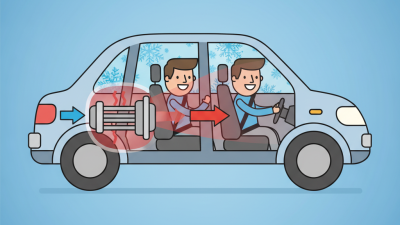
Understanding how a car heater fan works is crucial. It operates by drawing air from the cabin and passing it over heated components. This process creates warmth, distributed evenly by the vehicle's ventilation system. However, issues can arise. A blocked or malfunctioning car heater fan can lead to inadequate heating, leaving drivers and passengers cold and frustrated. Regular checks and maintenance can help avoid these problems.
Despite its importance, many drivers overlook the car heater fan's role. A lack of knowledge about maintaining it can result in unreliable performance when it's most needed. Recognizing the signs of wear and inattention can prompt timely repairs. By doing so, one can ensure that the car heater fan performs optimally, making winter travel much more enjoyable.

What is a Car Heater Fan and Its Importance in Automotive Climate Control
A car heater fan plays a vital role in automotive climate control.
It circulates warm air throughout the vehicle, ensuring a comfortable environment during cold weather.
Research indicates that effective cabin heating can improve driver focus,
reducing the risk of accidents. A recent study found that nearly 40% of drivers reported struggles with visibility due to foggy windows in winter.
This underscores the significance of a well-functioning heater fan.
The fan's operation hinges on the vehicle's heating system. When the engine runs, it produces heat, which is absorbed by coolant.
The heater core then transfers this warmth to the air, which the fan circulates. However, not all systems operate optimally.
A malfunctioning fan can lead to uneven air distribution, leaving some passengers cold and uncomfortable.
Regular maintenance is essential; studies show that nearly 20% of heating issues arise from neglected systems.
In some cars, the fan speed adjusts automatically based on temperature settings. Yet, drivers often overlook the importance of checking this feature regularly.
If the fan is weak or inconsistent, it can hinder full climate control.
Identifying these issues early can enhance safety and comfort. These details can significantly affect driving experiences,
particularly in extreme weather conditions.
The Basic Components of a Car Heater Fan System Explained
A car heater fan is essential for warmth during cold weather. This system works by blowing heated air into the vehicle’s cabin. Understanding its basic components can help in maintenance and troubleshooting.
The heater core is a key player in this system. It resembles a small radiator and is responsible for heating the air. Hot coolant from the engine flows through it. Air moves over the heater core, absorbing heat before entering the cabin. A fan pushes this warm air through ducts.
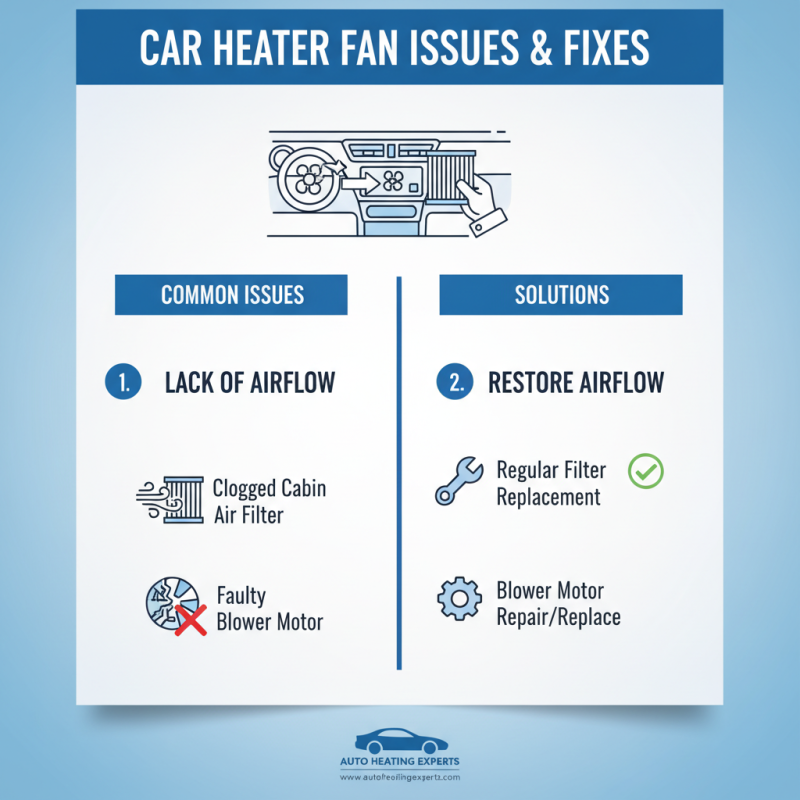
Another critical component is the blower motor. It controls the fan speed and airflow direction. If the fan is malfunctioning, it can lead to inadequate heating. Sometimes, the motor can burn out. Regular checks on these components can prevent unexpected failures. Proper maintenance ensures a well-functioning heater fan system, enhancing passenger comfort during chilly drives.
Car Heater Fan System Components
This bar chart illustrates the importance of various components in a car heater fan system based on their percentage contribution to proper functionality. The blower motor is the most significant component, followed by the resistor and thermostat.
How Does a Car Heater Fan Generate Heat: The Science Behind It
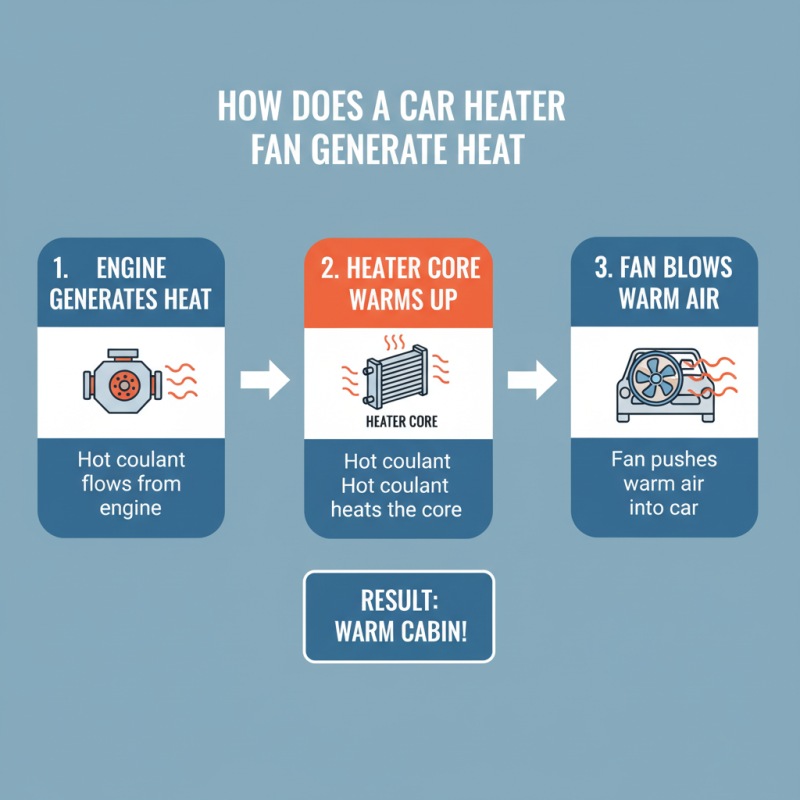
A car heater fan plays a crucial role in keeping your vehicle warm during cold months. It works by circulating warm air throughout the cabin. The process starts when the engine generates heat. Hot coolant from the engine flows to the heater core. The heater core is similar to a small radiator. As the coolant warms the heater core, the fan blows air over it, pushing warm air into the car.
Understanding the science behind this is key. The heater core transfers heat from the coolant to the air. This is a simple yet effective process. The fan ensures even distribution, reducing cold spots in the cabin. This system relies on the car’s cooling system. If it malfunctions, you might experience inadequate heating.
**Tip:** Regularly check your coolant levels. Low coolant can affect heating efficiency.
Another point to consider is the wear of the fan itself. It can become noisy or inefficient over time. If you hear strange sounds, it may need inspection. Dust and debris can also accumulate, reducing airflow.
**Tip:** Clean the fan and surrounding areas periodically. This can maintain optimal performance.
Operational Mechanisms: How a Car Heater Fan Circulates Warm Air
A car heater fan is an essential component of your vehicle’s climate control system. It works by drawing in cold air from inside the car, warming it up, and then pushing it back into the cabin. This process relies on the engine's heat, which warms a coolant that circulates through the heating core. Once the air passes over this core, it's heated and circulated throughout the car.
The efficiency of a car heater fan depends on its operational mechanisms. The fan's motor powers the blade rotation, allowing air to flow through a series of ducts. The speed of the fan can often be adjusted, providing control over the amount of warm air circulated. A malfunctioning fan could lead to insufficient warm air, making for uncomfortable rides during chilly weather.
Tips: Regularly check the fan's performance. Listen for unusual noises that might indicate wear and tear. Keep the heating core clean to prevent clogs. When weather conditions are harsh, consider using the defrost feature to remove condensation and ensure clear visibility. Be mindful that the effectiveness of the heater fan decreases if the engine is not warmed up sufficiently.
What is a Car Heater Fan and How Does it Work? - Operational Mechanisms: How a Car Heater Fan Circulates Warm Air
| Component |
Function |
Mechanism |
Importance |
| Heater Core |
Acts as a radiator |
Heats up the coolant from the engine |
Provides warmth inside the cabin |
| Blower Motor |
Circulates air |
Sucks in air and pushes it through the heater core |
Ensures even distribution of warm air |
| Thermostat |
Regulates temperature |
Controls the flow of coolant based on temperature |
Prevents overheating and maintains comfort |
| Duct System |
Guides air flow |
Channels air from blower to different areas of the cabin |
Ensures effective delivery of heated air |
| Control Switch |
User input for settings |
Turns the heater and blower on/off or adjusts speed |
Allows user to customize heating needs |