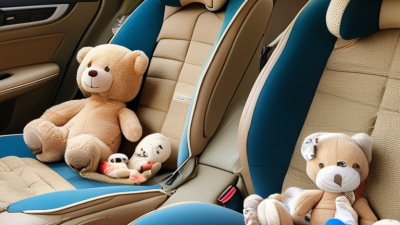
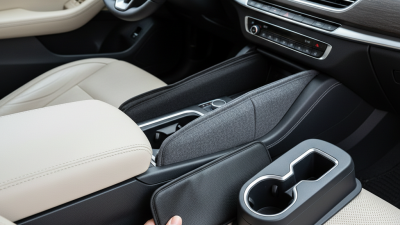
Coins, crumbs, and phone cables have a talent for disappearing beside a car seat. A Car Seat Gap Filler can help keep small items within reach and reduce the mess, but the right choice depends on your vehicle and seating setup. Some fillers sit neatly along the console; others may shift when passengers get in and out. That sounds simple, but fit can be fiddly. A product that works well in one car may feel awkward in another.
This guide compares ten popular options for 2026, focusing on practical details such as fit, materials, installation, storage, and ease of cleaning. We also consider whether a design leaves the seat-belt buckle and seat controls accessible. These details matter more than a polished product photo. Before buying, check the manufacturer’s compatibility guidance and your vehicle’s manual. A gap filler should never interfere with seat belts, seat movement, or safety equipment. No single option suits every driver. Some buyers may prefer a snug fit; others may value a washable surface or a place to store a charging cable. The rankings can help narrow the choices, though real-world fit may still surprise you. That part is worth checking carefully.
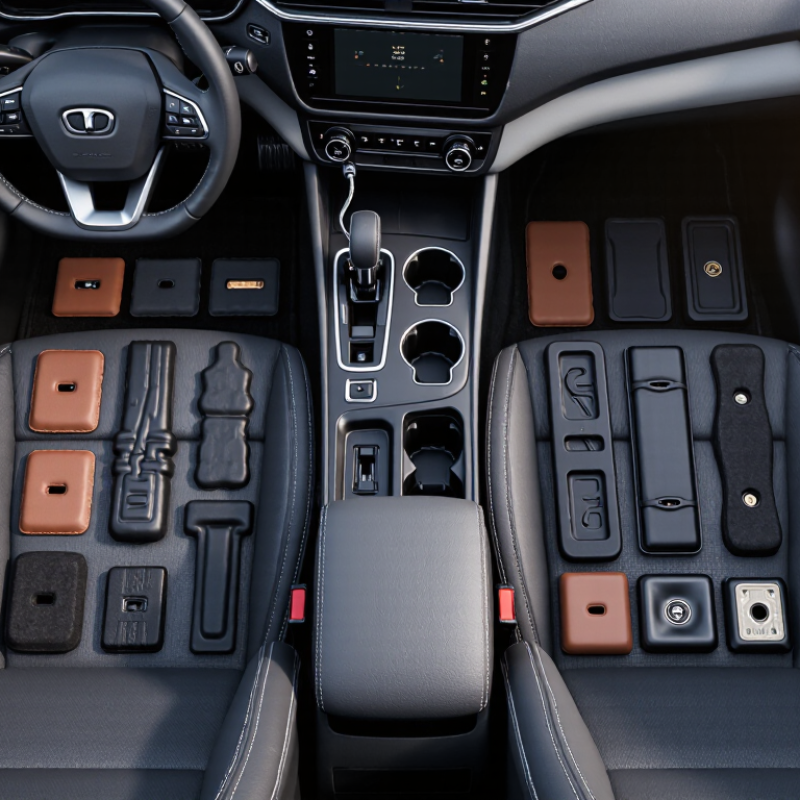
A car seat gap filler is a small insert that sits between a vehicle seat and the center console. It helps stop coins, crumbs, and other small objects from dropping into the narrow space. Many are made from flexible foam or fabric-covered padding. Some have a shaped channel for the seat belt buckle, while others fit around the buckle with a cutout. The right style depends on the gap’s width and the seat’s movement.
Small, but useful. When installed, the filler bridges part of the opening, so loose items are easier to reach or less likely to disappear beneath the seat. It does not seal the area completely, and it cannot prevent every object from slipping through. A practical check is to move the seat forward and back after fitting it. The insert should stay in place without pinching the belt or blocking access to the buckle.
Fit matters more than appearance. A piece that is too thick may press against the seat or shift during adjustment; one that is too narrow may leave an open path. Keep the seat belt and any seat-mounted controls clear, and follow the vehicle and product instructions. Not magic. I would also recheck the fit after cleaning or moving the seat, since even a tidy installation can creep out of position.
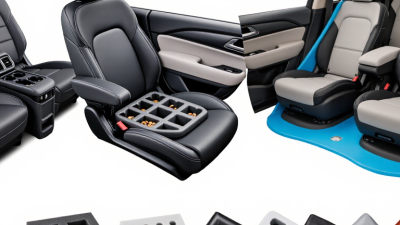
Gap fillers commonly use soft foam, molded plastic, or padded fabric. Foam versions compress into narrow gaps; rigid inserts tend to hold their shape but may fit fewer seat contours. Some designs bridge the gap beside the console, while others attach to the seat or include a pocket. The pocket sounds useful, but can make a bulky unit awkward in a tight cabin. Fit matters most. Measure the gap with the seat positioned for normal driving, then check that the filler does not cover the buckle, restrict seat movement, or interfere with side-airbag areas. Follow the vehicle manual’s guidance.
NHTSA’s 2022 Distracted Driving report recorded 3,308 deaths in distraction-affected crashes. That figure does not show that gap fillers prevent crashes; it does underline why retrieving dropped items while moving is a poor trade. NHTSA’s 2022 National Occupant Protection Use Survey reported a 91.6% seat-belt use rate. A filler should never make fastening or releasing the belt harder. Small details matter. Check whether the material wipes clean, stays put over bumps, and leaves the buckle plainly visible. A universal-fit claim is not a fit test. Park, adjust the seat, and try the buckle several times. One drawback remains: even a well-fitted filler can collect crumbs and dust.
Choosing among the top car seat gap fillers in 2026 starts with one rule: preserve the restraint’s intended fit. NHTSA reported 1,129 U.S. traffic deaths among children aged 14 and younger in 2022. That figure does not show that gap fillers reduce risk. It does underline the importance of correct restraint use. Check both the vehicle manual and the child seat manual.
Compatibility is specific to the vehicle and seat. A filler should not cover a buckle, obstruct a belt path, press against a child-restraint base, or interfere with seat movement. The American Academy of Pediatrics advises against add-on products unless they came with the child seat or its maker approves them. Check seat-mounted airbag seams and controls, too. Small details matter.
Fit the filler in a parked car, then latch and release the belt several times. Slide the seat through its normal range and check that nothing catches or shifts. For a child seat, confirm the base still installs exactly as its manual describes. If the filler wedges beneath it or changes its position, remove it. I would not assume a snug-looking fit is a safe fit; that is easy to misjudge. A brief check after cleaning or moving the seats can catch a filler that has slipped.
Comparing the Top 10 Car Seat Gap Fillers in 2026 means looking beyond appearance. A rigid console-side insert can stay put, but may not fit a narrow seat gap. Flexible foam models adapt more easily, though some compress under repeated use. Molded silicone is simple to wipe clean. Fabric versions may feel softer, but crumbs can collect in seams.
Other designs solve different problems. A dual-slot filler covers both sides of a console, while a seat-attached style moves with the cushion. Cupholder-integrated and pocket-style options add storage, but can crowd a small cabin. Strap-on designs often adjust to different seat widths; narrow-profile fillers suit tight spaces. Washable covers help with spills, if they are easy to remove and refit.
Fit matters most. Before choosing, measure the gap at the front and rear of the seat, since it may taper. Check that the filler does not block seat-belt buckles, seat movement, or manufacturer-approved safety features. A product that looks universal may still shift or leave a gap in one vehicle. That is less satisfying than naming one clear winner, but the best choice depends on your car, cleaning habits, and how firmly the filler stays in place.
The best gap filler depends on the vehicle’s seat shape, console width, and belt-buckle position. A narrow sedan may need a slim, flexible insert, while a wide SUV often suits a longer design that stays put across a larger gap. Measure the space with the seat in your usual driving position; seat movement can change the fit. There is no universal winner. A filler should catch small items without trapping, covering, or pulling the seat belt.
Safety deserves more weight than storage. NHTSA reports that seat belts reduce fatal-injury risk for front-seat occupants by 45% in passenger cars and 60% in light trucks, including SUVs and vans. That figure is not a test of gap fillers, but it underlines why belt access matters. Avoid any product that changes how the buckle latches or interferes with seat adjustment. Check the vehicle manual, too. Fit can be fussy.
Tips: Place the filler, buckle and unbuckle the belt several times, then slide the seat through its normal range. Try the test with a phone-sized object nearby, not loose items under the seat. If the insert shifts, pinches the belt, or leaves a sharp gap, choose another shape—or skip it. A tidy cabin is useful, but an awkward fit is not worth keeping.
Which gap-filler style best fits different vehicles and needs?
Ratings are qualitative guidance, not results from standardized product testing. Check your seat movement, seat-belt access, and available space before choosing a style. Wedge inserts are simple for narrow gaps; seat-mounted designs move with the seat; organizer styles add storage.