Why Do Fans For Cars Matter for Vehicle Performance?
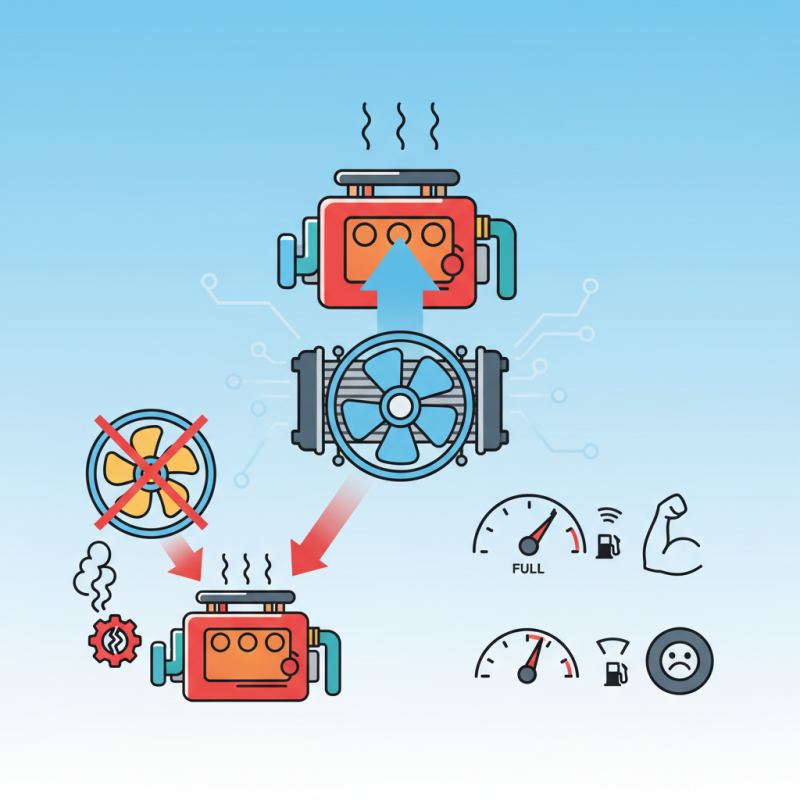
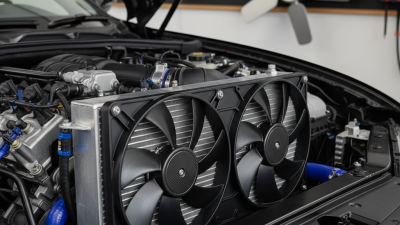
Fans for cars play a crucial role in vehicle performance. Without adequate airflow, engines can overheat, leading to severe damage. Cooling systems rely heavily on these fans to maintain optimal temperatures. When the engine runs hot, power and efficiency drop significantly.
Many car enthusiasts overlook the importance of fans for cars. They focus on engines, tires, and aesthetics but miss this vital component. A high-performance vehicle needs more than just a powerful engine. It requires a well-functioning cooling system to support that power.
Improperly sized or malfunctioning fans can hinder a car’s performance. Some may choose visually appealing fans over efficient ones. This choice can lead to disappointing results on the road. Fans for cars should be prioritized for overall vehicle efficiency and longevity. The right fan can make a noticeable difference in performance.
Importance of Fan Systems in Automotive Cooling
Fan systems play a crucial role in automotive cooling. They ensure engines do not overheat. An effective cooling system can enhance performance significantly. According to a study by the Society of Automotive Engineers, vehicles that manage thermal conditions efficiently can achieve up to 10% better fuel efficiency. This highlights the direct impact of fan systems on overall vehicle performance.
Understanding airflow dynamics is essential. Fans are designed to manage cool air intake and hot air expulsion. Inadequate airflow can lead to severe engine damage. A report from the Automotive Research Association indicated that over 15% of engines fail due to cooling system issues. These failures often stem from poor fan performance. Without sufficient cooling, engine parts can warp and degrade rapidly.
High-performance fans can reduce engine temperatures by as much as 20 degrees Fahrenheit. This makes the vehicle more responsive under heavy loads. However, not all vehicles are equipped with optimized fan systems. Many still rely on outdated technology. Inconsistent fan performance can lead to issues over time, affecting reliability and safety. Regular maintenance and upgrades can address some of these concerns.
Importance of Fan Systems in Automotive Cooling
This bar chart illustrates the cooling efficiency of different types of fan systems used in vehicles. As shown, high-performance fans lead to the best cooling efficiency, while mechanical fans provide the least efficiency. This highlights the importance of selecting the right fan system for optimal vehicle performance.
Impact of Airflow on Engine Performance
Airflow plays a crucial role in engine performance. Proper airflow improves combustion efficiency. When air enters the engine, it mixes with fuel. This mixture ignites, powering the vehicle. Without adequate airflow, performance suffers. The engine may not deliver the expected power.
Fan systems support airflow. They help draw in cooler air. Cooler air is denser, which means more oxygen for combustion. High-performance vehicles often have enhanced fan systems. However, some fans can be too loud or consume excess power. Striking the right balance is key.
Understanding airflow dynamics is essential. Some vehicles may lack optimal airflow design. This can lead to reduced engine output. Drivers often overlook this factor. They focus more on engine size or horsepower. In reality, it’s not just about power; it’s about how efficiently that power is utilized. Realizing these nuances can help in enhancing vehicle performance.
Types of Fans Used in Modern Vehicles
In modern vehicles, the type of fan used can significantly impact performance and efficiency. Car fans generally come in two main types: mechanical fans and electric fans. Mechanical fans are directly driven by the engine, which means they can work harder when the engine operates. However, this setup can waste power when cooling is not needed.
Electric fans, on the other hand, activate based on engine temperature and demand. They are more efficient and provide better airflow control. This efficiency can enhance engine cooling without unnecessary energy loss. However, if an electric fan fails, it can lead to overheating problems. Drivers should remain alert for warning signs of fan issues.
Tips: Regularly check fan operation during maintenance. Listen for unusual noises. A faulty fan can affect performance. Keep an eye on engine temperature; fluctuations may indicate fan problems. Address any concerns early to avoid costly repairs.
Effects of Fan Design on Fuel Efficiency
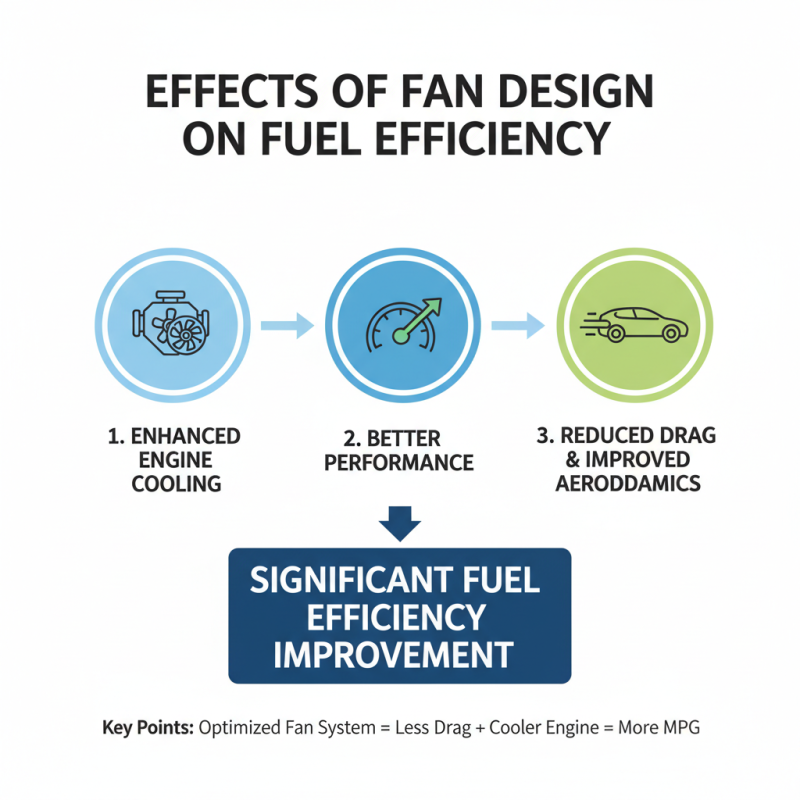
The design of fans in vehicles plays a crucial role in fuel efficiency. Efficient fan systems enhance engine cooling, which can lead to better performance. A well-optimized fan reduces drag and helps to streamline airflow. This can significantly improve a vehicle's aerodynamics.
Fan size and shape are key factors. Larger fans may seem effective, but they can create more resistance. Conversely, smaller, well-designed fans can be more efficient. The materials used also matter; lightweight materials can further enhance performance. However, making the right choice is often difficult.
Many car manufacturers overlook these details. They may focus on aesthetics instead of performance. Fans are sometimes an afterthought during the design phase. This can lead to missed opportunities for improved fuel efficiency. Designers need to rethink fan integration for better results.
Fan Control Mechanisms and Their Benefits
Fan control mechanisms play a crucial role in vehicle performance. They regulate
engine temperatures, ensuring optimal functioning. This control is vital, especially under extreme conditions.
Studies indicate that maintaining engine temperature within a specific range can improve efficiency by up to 10%.
Overheating often leads to engine wear. Such wear may decrease overall performance and longevity.
<
Engine cooling fans rely on different control methods, such as thermostatic and electronic controls. Thermostatic fans react to temperature changes
but can lag in response. On the other hand, electronic fans offer more precise control. They adjust their speed based on real-time engine temperature readings.
According to a recent industry report, vehicles equipped with electronic fans show a 15% increase in fuel efficiency compared to those with traditional systems.
However, not all systems are perfect. Some electronic controls may be prone to failures, causing overheating issues. This highlights the need for regular maintenance and monitoring.
Inadequate fan control can lead to severe engine damage, with repair costs soaring. Many enthusiasts overlook this aspect. As a result, they miss out on optimizing their vehicle's performance.
Proper fan management is essential, yet it often goes unnoticed.