Why Do Fans For Cars Matter in Vehicle Performance?
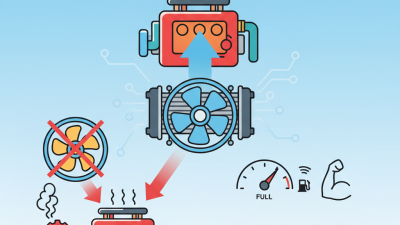
Fans for cars play a crucial role in optimizing vehicle performance. They are essential for cooling engines and ensuring that temperatures remain in a safe range. According to the Automotive Research Association, improper cooling can lead to a 10% decrease in fuel efficiency. This underscores the importance of reliable fans for cars.
The efficiency of these fans directly affects the vehicle's power output and longevity. High-performance fans can significantly reduce the risk of overheating, especially under strenuous conditions. Case studies show that cars equipped with advanced cooling systems can achieve up to 20% better performance during high-stress situations.
However, not all fans are created equal. Some may not provide adequate airflow, leading to potential engine damage and increased emissions. This highlights an area where manufacturers must rethink their designs and strategies. By prioritizing high-quality fans for cars, the industry can enhance performance and reliability—an ongoing challenge that warrants continuous improvement.
Importance of Fans in Automotive Cooling Systems
Automotive cooling systems play a vital role in maintaining optimal engine performance. Fans are essential components that help regulate vehicle temperature. In fact, a study from the Society of Automotive Engineers found that an efficient cooling system can improve engine efficiency by up to 10%. This is crucial for performance and longevity.
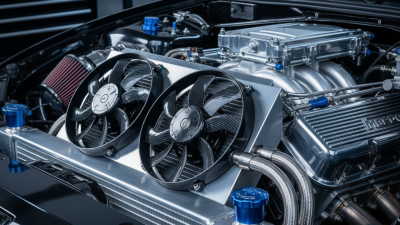
Fans operate by drawing air through the radiator. This process expels excess heat generated during operation. When engines run too hot, they can suffer serious damage. Overheating can lead to significant performance issues, including reduced horsepower. Interestingly, many vehicle owners underestimate the importance of regular maintenance for cooling fans. A worn-out fan can decrease airflow, thus negatively impacting cooling efficiency.
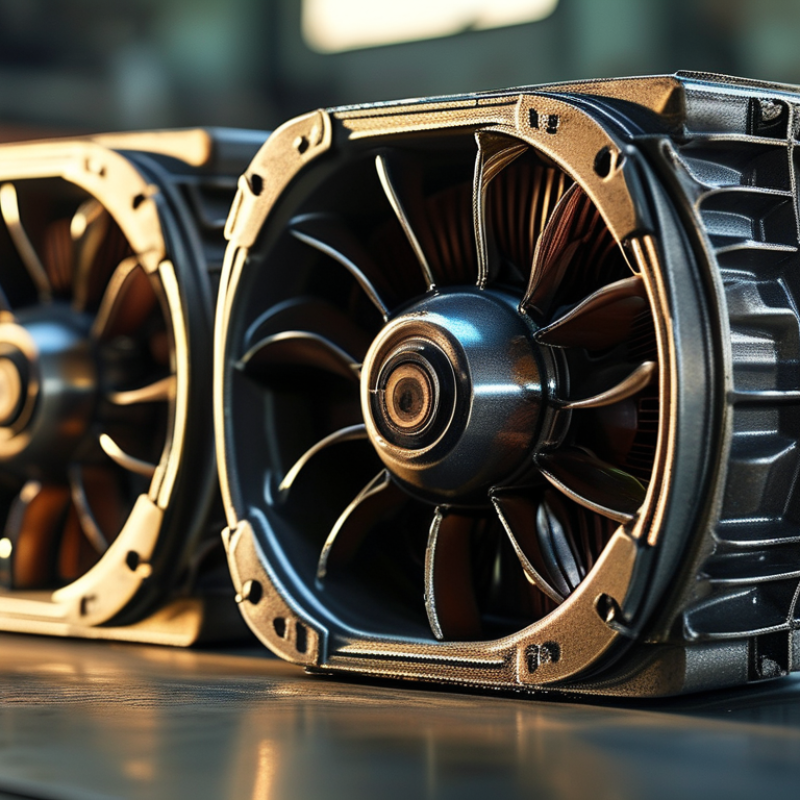
The design and placement of fans, as outlined in various engineering reports, can greatly influence cooling capacity. For instance, a fan that is not optimally positioned can lead to air stagnation. Data suggests that improved fan blade design can enhance airflow by 30%. However, not all fans perform equally. It’s essential for engineers to continually reassess fan performance to achieve the best outcomes in vehicle cooling systems.
Impact of Fan Design on Engine Performance
The design of cooling fans plays a critical role in vehicle performance. Efficient airflow directly affects engine cooling, which is essential for maintaining optimal operating temperatures. According to a 2022 study by the Automotive Engineering Institute, improper fan design can lead to a 15% increase in engine temperature. Higher temperatures can negatively impact engine efficiency and longevity.
Fan blade shape, size, and material all influence airflow dynamics. For example, a fan with wider blades can move more air but may also consume more power. A report from the Society of Automotive Engineers noted that optimizing fan design can improve fuel efficiency by up to 5%. This optimization is not always straightforward. It requires balancing performance with power consumption.
Tips: Regularly inspect your vehicle’s cooling system for signs of wear. A functioning fan can prevent overheating and enhance engine longevity. Consider consulting experts when upgrading your vehicle. Seeking professional advice ensures the best outcomes from modifications. Remember, improving fan design might require some trial and error. Stay informed about the latest research for continual performance improvements.
Relationship Between Fan Speed and Vehicle Efficiency
Fan speed plays a pivotal role in vehicle efficiency. It directly impacts engine cooling and overall performance. According to the Society of Automotive Engineers (SAE), optimizing fan speed can improve fuel efficiency by up to 4%. This is crucial in today’s market, where consumers demand vehicles that balance power and efficiency.
Maintaining the right fan speed can influence air intake and temperature management. A study published in the Journal of Automotive Engineering found that increased fan speed reduces engine overheating. When temperatures rise, vehicle performance can decline dramatically. Keeping the engine at optimal temperatures can prevent power loss.
However, there's a paradox. Higher fan speeds can also lead to increased energy consumption. This trade-off can be tricky for manufacturers. Balancing fan speed with overall performance is not straightforward. They must consider factors like drag and fuel type. The industry continues to explore ways to improve systems. Innovative technologies are emerging, yet many vehicles still struggle with effective fan speed management.
Why Do Fans For Cars Matter in Vehicle Performance?
This chart illustrates the relationship between fan speed (in RPM) and vehicle efficiency (measured in miles per gallon, MPG). As fan speed increases, we can observe corresponding changes in vehicle efficiency, which can impact overall performance.
Fan Noise Levels and Their Effect on Driving Experience
The sound of a vehicle's fan system can significantly influence the driving experience. Loud fans produce intrusive noise, distracting drivers and passengers. This distraction can lead to reduced focus on the road. A quieter fan allows for clearer communication inside the vehicle, enhancing the overall enjoyment of the ride.
However, many enthusiasts appreciate engine and performance sounds. A perfect balance exists between fan noise and desirable sound levels. If the fan is too quiet, one might miss essential feedback from the vehicle. The challenge lies in finding an optimal noise level that maintains performance without compromising comfort.
In addition, driving in urban settings can further complicate this balance. Constant fan noise can add to the cacophony, making it hard to enjoy music or conversations. Evaluating these aspects is crucial for both manufacturers and drivers. Personal preferences play a vital role here. It is essential to consider noise in the context of the overall driving experience, leading to reflections on what makes a vehicle truly enjoyable.
Technological Advances in Automotive Fan Systems
In modern vehicles, fan systems play a critical role in maintaining optimal performance. They regulate engine temperatures, ensuring efficient operation. Technological advancements such as electronic control systems have improved fan response times. This means fans can adapt quickly to engine demands, enhancing performance and fuel efficiency.
Fans today use advanced materials to improve durability and weight. Lightweight fans reduce overall vehicle weight, positively impacting handling. In addition, variable speed fans offer better control over airflow. This leads to improved engine cooling and performance under various conditions.
Tip: Regularly check your fan system for any signs of wear or damage. Maintaining the fan can prevent overheating issues.
Despite these advancements, challenges remain. Some fans can create noise, leading to discomfort inside the vehicle. Engineers are constantly working on designs that minimize this sound while maximizing efficiency.
Tip: Consider sound-dampening materials if noise is an issue in your vehicle.
In conclusion, automotive fan systems are essential for performance. Understanding these advancements helps fans appreciate their vehicle's technology. This knowledge can lead to better maintenance choices in the long run.