Shantou Chenghai Yate Auto Accessories Factory

Leave Your Message

How to Choose a Car Seat Fan in 2026?

Choosing a Car Seat Fan in 2026 requires more than checking airflow ratings or colorful designs. A hot vehicle can become dangerous quickly, even when the windows are slightly open. The U.S. National Highway Traffic Safety Administration reports that dozens of children die from vehicular heatstroke each year. Its safety guidance makes one point clear: never leave a child alone in a parked vehicle. A fan cannot replace supervision.

This guide examines airflow, power options, noise, mounting stability, cleaning, and child-safe construction. It also considers guidance from the American Academy of Pediatrics and electrical safety principles reflected in UL 507, the standard for household and similar electric fans. These references matter because a small device may operate beside loose clothing, crumbs, water bottles, and curious hands. A stable clip is not automatically a safe clip.

Real-world use can be less impressive than product packaging suggests. A fan that feels strong in an empty room may perform weakly behind a child seat. Battery life may also fall during hot, continuous operation. It is easy to overvalue maximum speed and overlook heat buildup near the plug or cable. This guide will help compare practical features, but no single model fits every vehicle, climate, or child seat. Think carefully.

The best Car Seat Fan should support comfort, not create false confidence. It should provide steady airflow, secure placement, quiet operation, and dependable power. Small details matter. A loose cable can become a hazard. A washable grille can make daily cleaning easier. Safety comes before stronger wind.

How to Choose a Car Seat Fan in 2026?

What Is a Car Seat Fan and How Does It Work?

How to Choose a Car Seat Fan in 2026?

What Is a Car Seat Fan and How Does It Work?

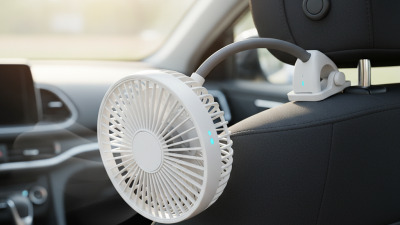
A car seat fan is a compact cooling device designed to move air around a child’s seating area. It does not create refrigerated air. Instead, its motor pulls warm cabin air through a grille and pushes it toward the child’s back and neck. This airflow reduces trapped heat and moisture, especially during long journeys.

I once assumed a stronger fan always meant better cooling. That assumption was wrong. Excessive airflow can disturb a sleeping child and create uncomfortable noise.

Most models use a clip, flexible mount, or seat attachment. Power may come from a USB port, a vehicle socket, or a rechargeable battery. Check the cable path carefully. It must stay away from the child’s hands, harness, pedals, and airbag zones.

The American Academy of Pediatrics recommends keeping children properly harnessed, while NHTSA warns that heatstroke can occur quickly inside parked vehicles. NHTSA data records more than 1,000 child vehicular heatstroke deaths since 1998, with many cases involving forgotten children.

A useful fan should offer guarded blades, stable mounting, low noise, and several airflow levels.

Measure the seat area before buying. Airflow direction matters more than advertised speed. A fan cannot replace ventilation, shade, hydration, or adult supervision. It also cannot make an unattended vehicle safe.

The U.S. Department of Energy notes that parked vehicle interiors can heat rapidly, even during moderate weather. That detail is easy to underestimate. A fan helps with comfort, not rescue.

Which Car Seat Fan Features Matter Most in 2026?

How to Choose a Car Seat Fan in 2026?

The most important feature is controlled airflow, not maximum speed. A small, enclosed fan should move air gently around the child’s head and torso. It should never blow directly into the eyes. NHTSA reports roughly 37 child hot-car deaths annually, based on historical U.S. data from 1998–2023. That figure makes heat awareness essential, but a fan cannot replace supervision. Look for a stable mount, guarded blades, rounded edges, and no loose cable near the harness. Battery indicators also matter during long summer trips. A dead fan offers no comfort.

Temperature sensing is useful, though imperfect. A sensor near the child can detect rising heat better than one near the dashboard. However, a cool reading may hide poor airflow around the back and clothing. Choose several speed settings, quiet operation, and a grille that can be cleaned. The American Academy of Pediatrics continues to stress correct harness use and rear-facing travel for younger children. Therefore, the fan must stay outside the harness path and never change the seat’s fit. I would avoid bulky models. They can become distracting.

Tips: Test the fan before travel. Check airflow at the child’s shoulder level. Secure every wire. Keep the battery charged. Watch the child, not only the display. The U.S. Consumer Product Safety Commission recommends following product instructions and inspecting children’s equipment regularly. That advice sounds ordinary, but it is easy to skip during a rushed departure. Personally, I would choose moderate airflow over aggressive cooling. Comfort is important, yet restraint safety comes first.

How to Match a Fan With Your Vehicle and Child’s Seat

How to Choose a Car Seat Fan in 2026?

Match the fan to your vehicle’s interior before checking its appearance. A compact car needs a small fan with controlled airflow. Larger vehicles may need wider circulation, but stronger is not always better. Measure the space behind the seat. Check the headrest, seatback, and nearby vents. The fan should not block the driver’s view or interfere with mirrors. Keep airflow indirect. A child can become uncomfortable when cold air hits the face continuously. A gentle stream toward the upper cabin usually works better.

The child’s seat matters just as much. Review its manual before attaching anything nearby. Never place a loose fan, cable, or clip inside the harness area. The device should stay beyond the child’s reach and remain stable during braking. Rear-facing seats may need a different angle from forward-facing seats. Test the position with the child seat installed, not on an empty seat. Measure before buying.

Power is another practical match. Confirm the vehicle’s available port and keep cables away from feet. Battery models reduce wiring, but they require regular charging. In warm weather, check the fan after ten minutes. It should feel secure, quiet, and free from excessive heat. I once focused too much on cooling power and overlooked noise. That was a poor trade-off. A quieter fan may help a child sleep and lets adults hear important sounds. Recheck the setup after cleaning or adjusting the seat. Small changes can create new hazards.

How to Compare Power Sources, Safety, Noise, and Cooling

How to Choose a Car Seat Fan in 2026?

A car seat fan should match your vehicle, child’s age, and daily travel routine. I compare power sources before looking at airflow. A USB model is convenient, but the cable needs careful routing. It must stay away from the harness, pedals, and moving seat parts. Rechargeable fans reduce cable clutter, yet they require regular charging. A 12-volt option can run longer, although its adapter may occupy the only useful socket. Check the vehicle manual before adding accessories. Small details matter.

Safety comes before cooling performance. Choose a fan with a covered grille, stable mounting, and rounded edges. Test the clamp by gently pulling it while the car is parked. It should not loosen or become reachable by small hands. Keep the fan outside the child’s restraint area. Battery heat also deserves attention during long, sunny journeys. I once focused too much on battery life and overlooked mounting stability. That was a poor comparison.

Noise can affect sleep, especially during quiet drives. Run the fan at each speed and listen from the child’s seating position. A phone sound meter can help, but it is not laboratory equipment. Cooling depends on airflow, not just advertised speed. Aim air toward the upper body without blowing directly into the eyes. Look for adjustable angles and several gentle settings. Stronger is not always better. Check the temperature after ten minutes, then reassess airflow, noise, and comfort.

How to Install, Use, Clean, and Maintain a Car Seat Fan

How to Choose a Car Seat Fan in 2026?

Install the fan where it cannot touch the child, harness, or vehicle controls. A firm headrest mount is better than placing it on the car seat. Choose enclosed blades, rounded edges, adjustable airflow, and a short, secured cable. Avoid loose wires near the child’s hands. NHTSA reports that an average of 37 children die from vehicular heatstroke each year in the United States. A fan improves air movement, but it cannot prevent dangerous cabin temperatures.

Before driving, test the fan for vibration and noise. Direct airflow toward the child’s upper body, not directly into the eyes. Check the child regularly, especially during traffic delays. Never use the fan as a reason to leave a child unattended. The CDC identifies 103°F (39.4°C) as a heatstroke-level body temperature. The cabin can become hazardous quickly, even with a partly open window.

My first installation was too optimistic. The cable looked tidy, but it pulled against the mount during turns. I repositioned it and added a soft cable clip. Clean the grille weekly with a dry, soft brush. Disconnect power before wiping the housing. Never spray liquid into the motor. Inspect the mount, cable, and blades before every trip. Stop using the fan if it smells hot, rattles, or becomes unusually warm. CPSC safety guidance consistently favors products with guarded moving parts and undamaged cords. Cheap convenience is not always practical.

How to Choose a Car Seat Fan in 2026?

A practical schedule for installing, using, cleaning, and maintaining a car seat fan safely.

Check the fan’s mounting position and cable routing before every trip. Inspect the grille and airflow path weekly, clean visible dust about once a month, and examine the battery or USB cable at the same time. A deeper cleaning every three months can help maintain airflow. Always follow the product manual, keep cables away from children, and replace damaged parts immediately.