How to Choose the Best Cooling Fan For Car?
Choosing the right Cooling Fan For Car can greatly enhance your driving experience. According to automotive expert Lisa Turner, “A good cooling fan can make all the difference in preventing overheating.”
When selecting a cooling fan, consider size and airflow. Fans come in various dimensions. Not all cars have the same space for installation. Inadequate airflow can lead to engine problems. Drivers often overlook power consumption, which affects battery life. Fans may offer good airflow but can drain power quickly.
Reflecting on personal experiences, many find themselves dissatisfied with their fan choice. They may have prioritized price over performance. This often leads to regrets. So, it's essential to do thorough research. Understanding your car's specific cooling requirements is crucial. Making an informed choice ensures better performance and longevity of the vehicle.
Understanding the Importance of Cooling Fans in Cars
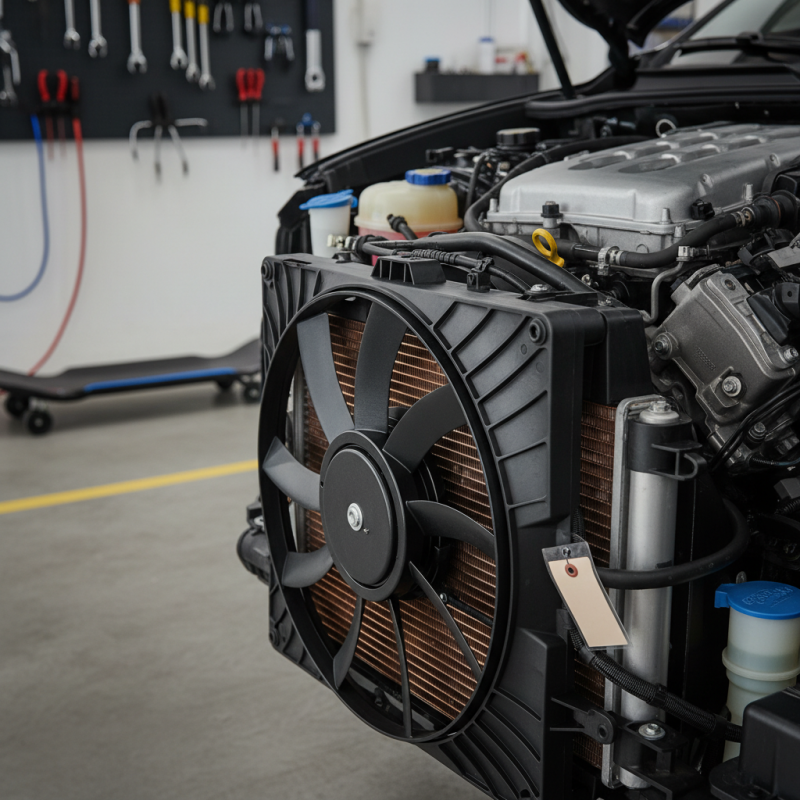
Cooling fans play a crucial role in a car’s overall performance. They help regulate the engine temperature, preventing overheating. When the engine runs hot, it can lead to severe damage. This damage could end up costing a lot. A good cooling fan ensures air flows properly, keeping things cool.
Choosing the right fan can be challenging. Different vehicles have distinct needs. It’s essential to consider size, power, and airflow. Not all cooling fans can fit in every car. Measurements should be accurate for optimal performance. It’s a common mistake to overlook these details. Sometimes, fans might run too loud or not effectively cool.
Cars can struggle in extreme weather. An efficient cooling fan helps maintain a stable engine temperature. When temperatures rise, a malfunctioning fan can lead to stress on engine components. Regular maintenance is often ignored. Drivers should routinely check their cooling system. Keeping the fan in good working order is vital for any driver.
Types of Cooling Fans Available for Automotive Use
When selecting a cooling fan for your car, it's essential to understand the
types available. The primary categories include
mechanical fans,
electric fans, and
dual-speed fans.
Mechanical fans connect directly to the engine. They tend to provide
consistent cooling but can drain power from the engine. Electric fans,
on the other hand, activate only when needed. They are
efficient and save energy. Dual-speed fans offer a blend of both,
allowing flexibility in performance.
Choosing the right fan involves
considering your vehicle's specifications. Pay attention to the size and power
ratings. Installing the wrong fan can lead to
overheating or
poor performance. Some fans are better suited
for high-performance vehicles, while others work well for
everyday driving. Always check compatibility
with your car's cooling system.
Tips: Make sure the fan has
durable materials. Longevity is crucial for
reliability. Look for easy installation options to avoid headaches later.
Keep in mind that a fan’s noise level can vary. A
quieter option may make for a more comfortable
driving experience. Consider your priorities in terms of
performance versus noise.
Factors to Consider When Choosing a Car Cooling Fan
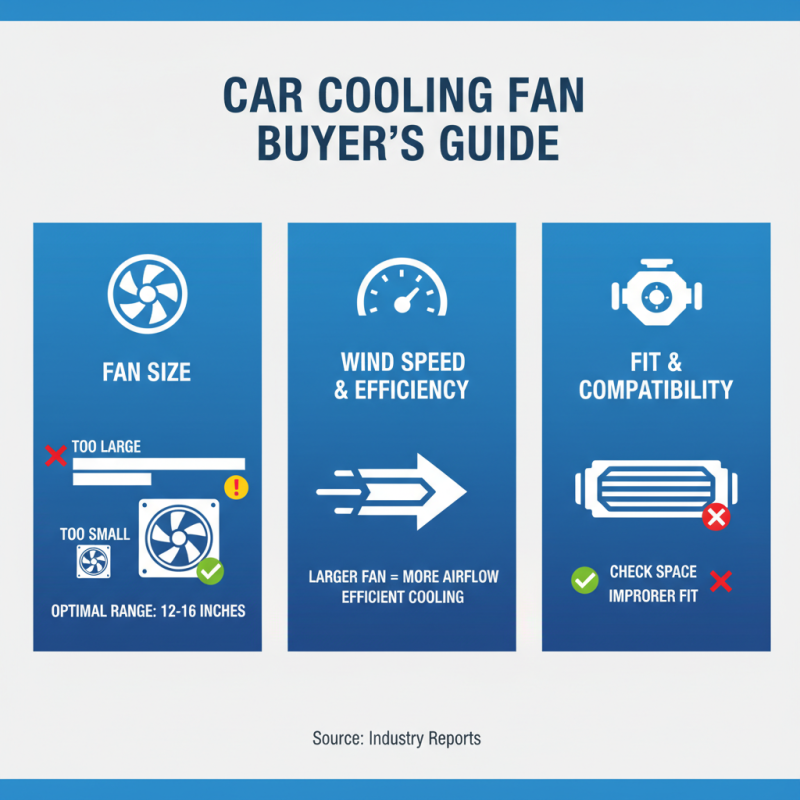
When selecting a cooling fan for your car, several factors come into play. The fan size is crucial. A fan that is too large may not fit well, while one that is too small may not provide adequate cooling. According to industry reports, fans typically range from 12 to 16 inches in diameter. This variation can affect wind speed and efficiency.
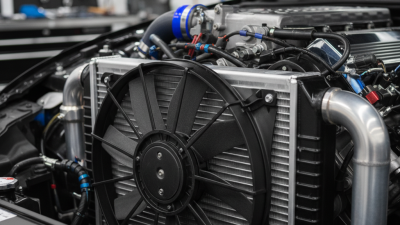
Consider the cooling capacity as well. Different models generate various airflow, measured in cubic feet per minute (CFM). Look for fans with a CFM rating that matches your vehicle’s requirements, usually around 1,200-1,600 CFM for most cars. Insufficient airflow may lead to overheating. In fact, data shows cars with inadequate cooling fans have a 30% higher risk of engine overheating, which can be costly.
Additional features matter too. Adjustable speed settings offer flexibility based on your needs. Some fans come with built-in thermostats. These features can prevent excessive energy consumption. However, they could complicate installation. It's essential to weigh these factors to ensure you make an informed choice. A fan with too many features may frustrate as much as it benefits. Always reassess your priorities before finalizing your selection.
Installation and Maintenance Tips for Car Cooling Fans
When it comes to car cooling fans, proper installation is crucial for optimal performance. Start by ensuring you have the right tools. Most installations require basic hand tools, like screwdrivers and wrenches. According to a recent industry report, improper installation can result in a 15% decrease in cooling efficiency. This is often due to loose connections or incorrect fan positioning.
Routine maintenance is equally important. Regularly check the fan blades for debris. A buildup can hinder performance, leading to overheating. The National Highway Traffic Safety Administration emphasizes that nearly 30% of vehicle breakdowns relate to cooling system issues. Inspecting the electrical connections monthly helps prevent potential failures. A loose wire can cause intermittent power loss, making the fan unreliable.
Finally, pay attention to signs of wear. A noisy fan may indicate a failing motor or misalignment. Address these issues quickly. Ignoring them can lead to more significant repair needs down the line. Keeping a maintenance log can help track any consistent problems. Recognizing these patterns can improve your overall vehicle reliability.
Car Cooling Fan Performance Comparison
Common Brands and Models of Car Cooling Fans Reviewed
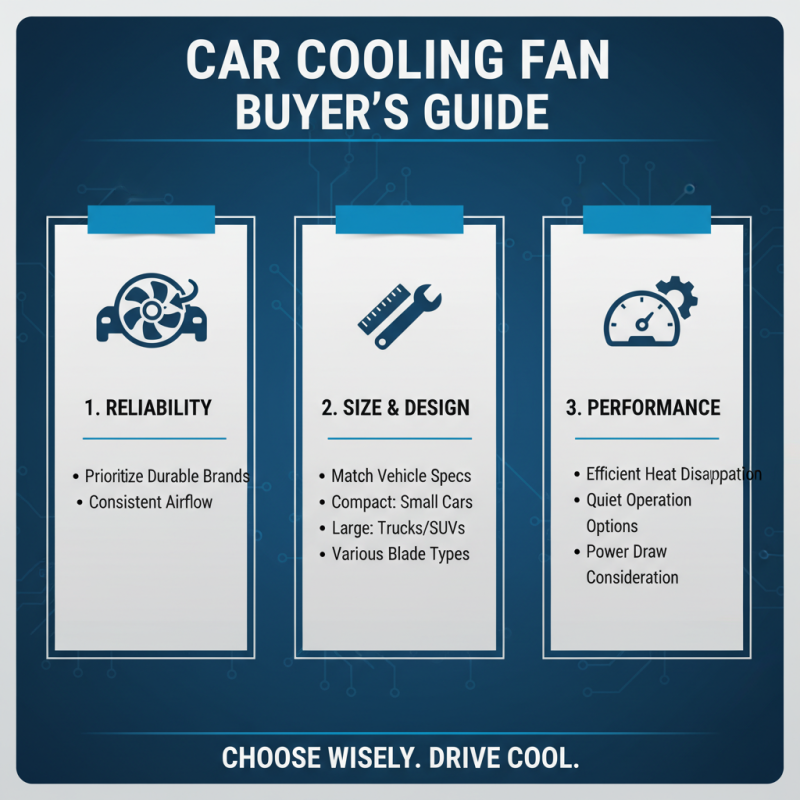
When selecting a cooling fan for your car, consider popular options that offer reliable performance. Many fans come in different sizes and designs. It’s essential to match a fan's size with your vehicle's specifications. Compact models may work for smaller cars, while larger models might be necessary for bigger vehicles.
Tips: Check the airflow rating. A higher rating often means better cooling efficiency. Also, ensure the fan operates quietly to avoid distractions while driving.
Reviewing common fan models can help streamline your choice. While some may offer advanced features, simpler models can still perform well. Durability is another factor; look for fans built from quality materials. Price might indicate reliability, but not always.
Tips: Read customer reviews for real-life insights. This can uncover potential issues or benefits you hadn't considered. Balancing cost with performance is key, but don't overlook essential features.