How to Choose the Best Car Seat Gap Filler for Your Vehicle?
Choosing the best Car Seat Gap Filler can be a challenge. Many options flood the market, each claiming to be the best. You may wonder why it matters. Gaps between your car seats can trap small items, creating clutter. A well-designed filler can simplify your driving experience.
Consider the fit for your specific vehicle. Not every filler works with every car model. Look for designs that match your seat contours. You want something that won't slip or move. A tight fit ensures effectiveness. Pay attention to materials as well. Quality matters; it impacts durability and aesthetics.
Also, think about functionality. Some fillers include extra storage options. Others emphasize a sleek design. Reflect on your needs and preferences. Choosing the right Car Seat Gap Filler can improve your car organization. It may also lead to safer trips by reducing distractions. Choosing wisely requires research and personal reflection. After all, it's not just a filler; it’s a part of your driving environment.
Understanding the Importance of Car Seat Gap Fillers for Vehicle Safety
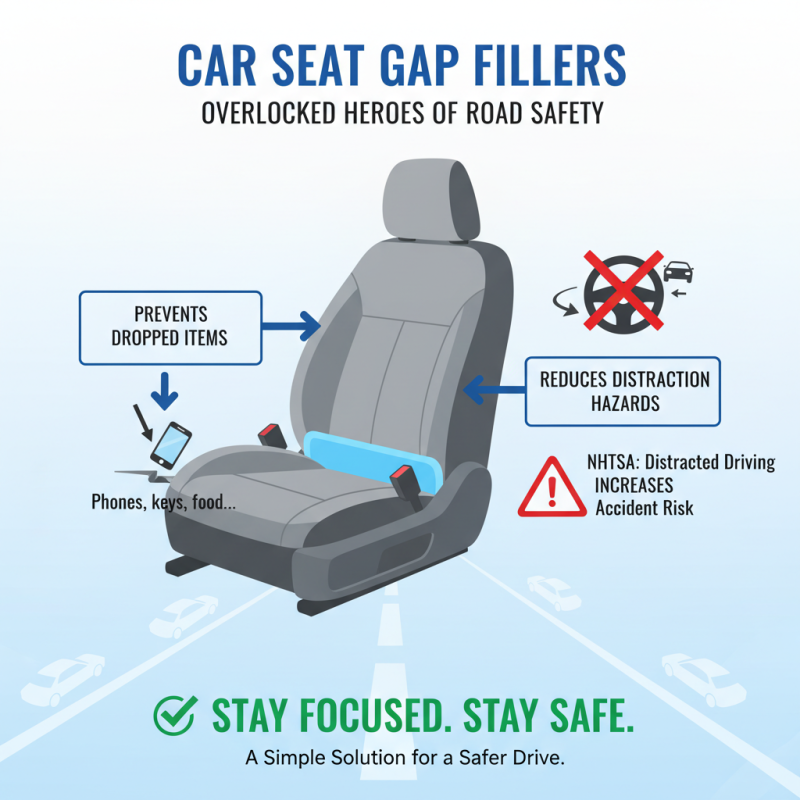
Car seat gap fillers are often overlooked. Yet, they play a crucial role in vehicle safety. According to a report from the National Highway Traffic Safety Administration, distractions while driving significantly increase the risk of accidents. Loose items falling into the gap can divert your attention, leading to potential hazards.
Studies suggest that nearly 20% of drivers have experienced distractions caused by objects slipping between the seats. Everyday items like phones and wallets can easily get lost in that void. This distraction can last just long enough to increase the chances of a crash. For parents, the stakes are even higher. Young children may reach for items, risking their safety.
Choosing the right gap filler can mitigate these risks. Look for materials that fit snugly and don’t obstruct seat belts. Some fillers may not sit securely, which can be problematic. Ensuring a proper fit is essential, as a poorly designed product can create more issues than it solves. Review user feedback on designs to find an effective solution. Proper gap fillers not only keep your items secure but also help maintain focus on the road.
Key Features to Consider When Choosing a Car Seat Gap Filler
When selecting a car seat gap filler, there are key features to keep in mind. Look for materials that are durable yet soft. Foam and silicone are common options. They should fit snugly without damaging your car seats. A well-fitted filler prevents items from slipping into the gap, causing frustration.
Consider the size and width. Not all vehicles have the same gap dimensions. Measure your specific gap before buying. Some fillers offer adjustable designs. This ensures a perfect match for your car. In addition, a washable cover is a practical feature. It makes cleaning easy, keeping the filler looking fresh.
Tips: Pay attention to thickness. Too thick may cause discomfort. An overly thin option may not function well. Read customer reviews for insights. Some users report issues like wear over time. Look for a balance between cost and quality. A good filler can enhance your driving experience.
Types of Car Seat Gap Fillers: Pros and Cons of Each Option
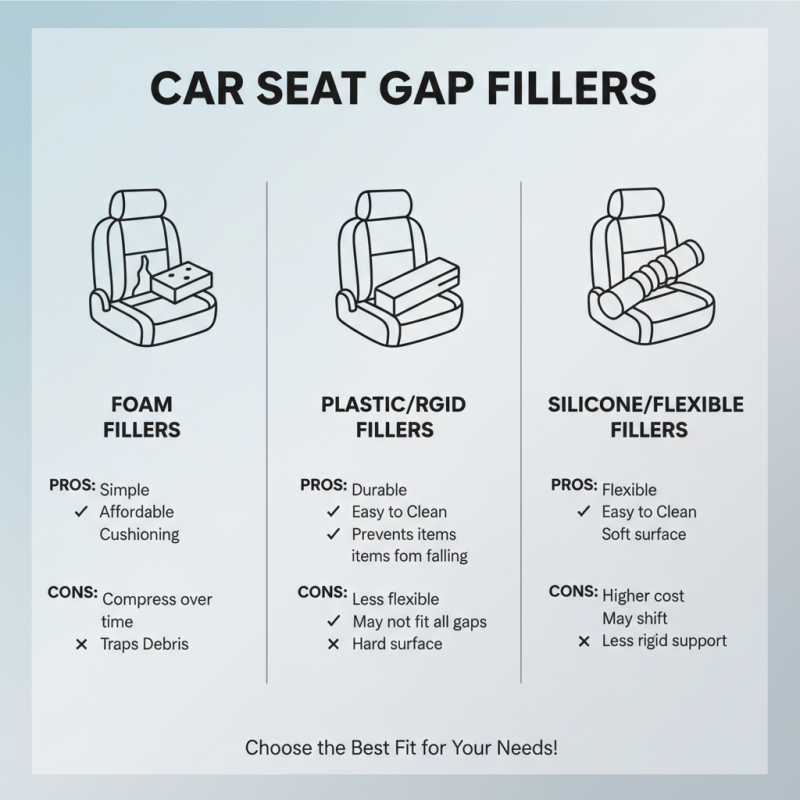
Car seat gap fillers come in various types, each with distinct advantages and disadvantages. Foam fillers are popular for their simplicity and affordability. They fit snugly into the gaps and provide cushioning. However, they can sometimes compress over time and lose their effectiveness. Additionally, foam can trap debris, which may be a concern for cleanliness.
Another option is fabric fillers. These often come with pockets for storing small items. They are easy to clean and add a touch of style to your interior. Nevertheless, fabric fillers may not fit all gaps perfectly. You might find some items still slipping into the crevice. This can lead to frustration during drives, especially if you frequently lose items.
Lastly, there are rigid plastic fillers. They offer excellent stability and prevent items from falling. However, their installation can be tricky. They may not accommodate all vehicles, requiring careful selection. Ultimately, your choice will depend on your vehicle type and needs. Consider what matters most: functionality, aesthetics, or simplicity.
Materials Used in Car Seat Gap Fillers and Their Impact on Durability
Choosing the right car seat gap filler involves more than just aesthetics. The materials used significantly affect durability and performance. Common materials include foam, silicone, and leather. Each has unique properties that can influence your choice.
Foam fillers are lightweight and can easily conform to the gaps. However, they may wear down quickly with constant friction. Silicone offers flexibility and resilience. Yet, some silicone versions might not fit snugly in all vehicles. Leather fillers provide a premium look but can be prone to fading and cracking over time.
It's essential to consider how these materials interact with your vehicle's interior. A too-soft filler may compress too quickly. Conversely, a very rigid option might be uncomfortable. Pay attention to customer feedback on durability to ensure longevity in your choice. An informed decision can lead to a better fit and greater satisfaction.
Installation and Maintenance Tips for Your Car Seat Gap Filler
Installing a car seat gap filler is not just about convenience. It enhances safety too. Studies indicate that roughly 25% of drivers experience distractions due to items falling into the gap. A good gap filler can minimize this risk, but proper installation is key. Make sure the filler fits snugly in the gap. If it’s too loose, it can shift and create further distractions.
Maintenance of your car seat gap filler is equally important. Regularly check for dirt and debris that can accumulate. Vacuuming the area can help prevent grime buildup. Some materials may need wiping with a damp cloth occasionally. If your gap filler shows signs of wear, consider replacing it. Ignoring these signs may reduce its effectiveness. Discomfort from a poorly maintained gap filler can lead to distractions while driving.
Mind the materials used in your car seat gap filler. Soft materials may wear quickly, while harder options may not provide enough cushioning. A balance is essential for both comfort and durability. It's okay if your first choice isn't perfect; learning about your needs takes time. Take note of any issues you encounter, so you can make better choices in the future.