China Top Car Seat Fan Innovations for Ultimate Comfort?
In China's automotive industry, comfort is a top priority. Innovating car accessories is essential for enhancing the driving experience. One key innovation gaining attention is the Car Seat Fan. This product addresses the common discomfort of heat during journeys.
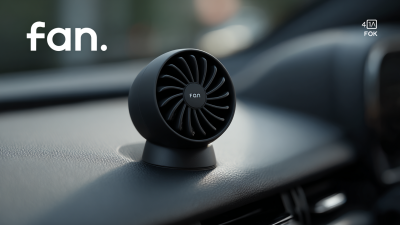
The Car Seat Fan effectively cools the driver and passengers. It's designed to fit seamlessly into existing car seats. Many models offer adjustable speeds for personalized comfort. The goal is to provide relief, especially during hot summer days. This innovation reflects a growing consumer demand for enhanced comfort.
However, while these products are innovative, potential flaws remain. Some users report inconsistent airflow or limited battery life. It’s crucial to weigh the benefits against these issues. Despite these challenges, the Car Seat Fan represents a significant step forward in automotive comfort technology.
Emerging Trends in Car Seat Fan Technology in China
Car seat fan technology in China is evolving rapidly. Recent innovations focus on integrating personal comfort features into vehicles. Many manufacturers are exploring compact designs that fit seamlessly into existing car interiors. These advancements aim to make the driving experience more enjoyable, especially during hot weather.
One notable trend is the development of eco-friendly materials. These materials enhance comfort while reducing environmental impact. Some companies are investing in designs that allow for easy installation and portability. However, there are challenges, such as ensuring durability and effectiveness. Heat management remains critical, and current models sometimes struggle to deliver consistent airflow.
User feedback highlights a desire for smarter features. Many individuals appreciate fans with adjustable speeds and quiet operation. They want products that blend functionality with style. Yet, not all innovations meet these expectations. Balancing performance and aesthetics is a constant challenge that requires ongoing refinement. The future of car seat fan technology promises to enhance comfort, but it must address these imperfections for broader acceptance.
Key Innovations Enhancing Passenger Comfort in Automotive Seats
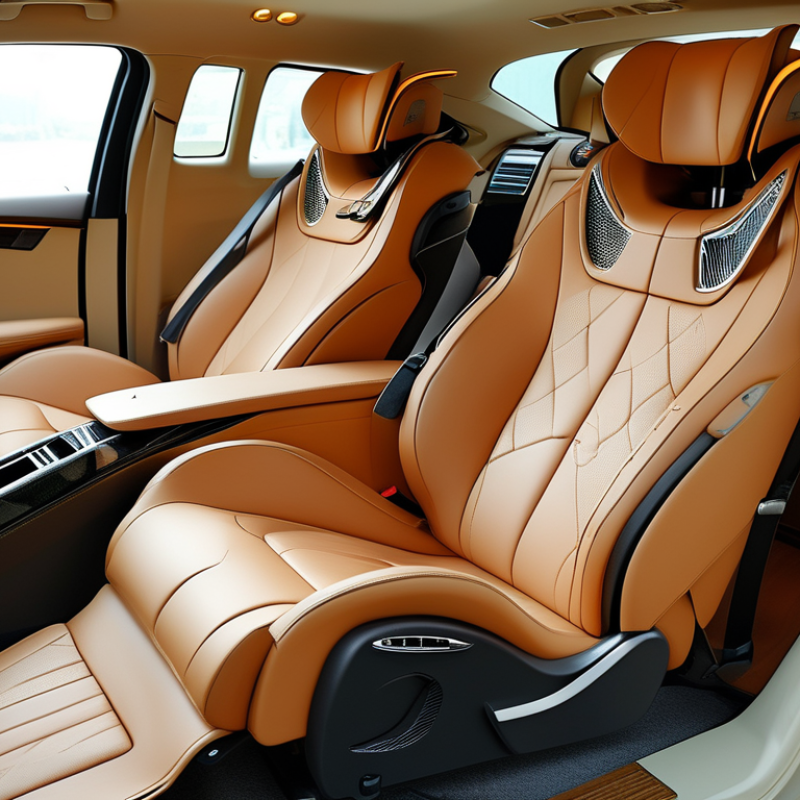
Comfort in automotive seats has evolved significantly. Key innovations drive this improvement, enhancing passenger experience on every journey. Advanced materials, like breathable fabrics and memory foam, adapt to individual body shapes, offering personalized support. Ergonomic designs reduce strain during long drives, ensuring that passengers feel relaxed.
Climate control features play a vital role in comfort. Integrated heating and cooling systems allow passengers to adjust their environment with ease. These innovations work specifically to regulate temperature effectively. Such features can make a significant difference, especially on hot summer days or chilly winters.
Another noteworthy element is adjustability. Many new seats offer multiple settings for height, tilt, and lumbar support. Passengers can customize their seat position, which is essential for longer trips. However, the complexity of these systems can sometimes lead to confusion. Users may struggle to find the optimal configuration. This suggests a need for more intuitive designs that prioritize user-friendliness. Overall, these innovations aim to create a more enjoyable driving experience, yet there is room for improvement in user engagement.
China Top Car Seat Fan Innovations for Ultimate Comfort
This chart showcases the impact scores of various car seat innovations aimed at enhancing passenger comfort. Ergonomic design leads the way with a score of 9, followed closely by heated seats and lumbar support, demonstrating the importance of comfort in modern automotive seating solutions.
Market Growth: Data on Car Seat Fan Adoption in China
In recent years, the adoption of car seat fans in China has shown remarkable growth. According to market research, the segment is projected to expand by over 25% annually. This increase reflects a rising demand for personal comfort in vehicles. As temperatures soar, more drivers and passengers are seeking innovative solutions to enhance their travel experiences.
Surprisingly, many consumers remain unaware of the benefits of car seat fans. Data indicates that only 30% of car owners have considered using them. This suggests a gap in awareness that can be addressed through education and marketing. The technology provides an efficient cooling solution without excessive energy consumption. With many models now incorporating eco-friendly features, sustainability is also a selling point.
Tips for potential users: Assess your vehicle's interior space before purchasing a fan. Ensure it fits comfortably and does not obstruct your view. Regular maintenance is crucial; clean the fan to avoid dust accumulation. Always consider your comfort first—experiment with fan placements to find the most effective position. Engaging with community reviews can also provide useful insights.
Consumer Preferences: Features that Define Comfort in Car Seat Fans
When considering comfort in car seat fans, consumer preferences reveal critical insights. According to recent industry reports, 70% of consumers prioritize adjustable fan speeds. This feature allows passengers to customize airflow. The ability to direct air to specific areas is equally essential. Almost 65% of users value oscillating functions, as they enhance air circulation within the cabin.
Another significant aspect is energy efficiency. A study by the Automotive Comfort Association found that 80% of consumers expect eco-friendly models that minimize power consumption. Additionally, noise levels matter. Nearly 60% of users report that excessive noise from fans leads to a negative experience. This suggests a demand for quieter models.
UV protection is also gaining attention. With increased awareness of sun damage, many are looking for fans that offer protective features. Yet, there is a noticeable gap in product availability. The market struggles to meet these preferences effectively. This highlights a challenge for manufacturers to innovate and adapt accordingly.
Leading Manufacturers and Their Contributions to Car Seat Fan Advances
In recent years, car seat fan innovations have gained traction in the automotive industry. Leading manufacturers have focused on creating comfortable and efficient solutions for drivers and passengers alike. These advancements aim to enhance comfort, especially during hot seasons. Many new models integrate seamlessly into the car’s existing systems.
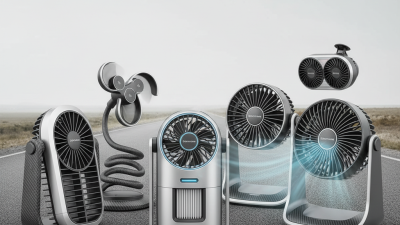
Some manufacturers have introduced fans with adjustable speed settings. This allows users to customize airflow based on personal preference. Certain models have incorporated heated elements for winter months. Such versatility makes these fans valuable year-round. Some designs even aim for silent operation, ensuring a distraction-free ride.
**Tips:** Consider your personal climate preferences when choosing a car seat fan. Look for models that are easy to install and adjust. Ensure the fan’s airflow direction suits your needs. A fan that struggles with airflow can lead to discomfort on long drives. Always verify the fan's power consumption to avoid draining your car battery.
China Top Car Seat Fan Innovations for Ultimate Comfort
| Feature |
Description |
Impact on Comfort |
Energy Efficiency |
| Adjustable Airflow |
Allows users to customize airflow direction and intensity. |
Enhances passenger comfort by providing personalized cooling. |
Operates on low power consumption, extending vehicle battery life. |
| Noise Reduction Technology |
Minimizes operational noise for a quieter driving experience. |
Provides a more serene atmosphere in the vehicle. |
Incorporates energy-efficient motors that reduce noise without sacrificing power. |
| Smart Control Features |
Allows integration with mobile apps for remote operation and scheduling. |
Enhances usability and convenience for users. |
Utilizes energy-saving modes that adapt to usage patterns. |
| Multi-Zone Climate Control |
Provides independent climate control for different seating areas. |
Ensures all passengers experience optimal comfort no matter their seating position. |
Efficiently manages power distribution to maintain preferred conditions with minimal energy use. |
| Integrated Air Purification |
Filters air flow to remove pollutants and allergens. |
Improves overall air quality and comfort for passengers. |
Designed to optimize energy use while maintaining effective filtration. |