What is a Car Seat Fan and How Does It Work?
In hot weather, keeping cool in a car can be challenging. A Car Seat Fan offers a practical solution for this problem. These innovative devices are designed to provide a refreshing airflow directly onto the seat, enhancing comfort during drives. John Stevens, a well-known automotive accessories expert, states, "A Car Seat Fan is a game changer for those who spend long hours in their cars."
The mechanics behind a Car Seat Fan are simple yet effective. It utilizes a compact design to fit into various car seats. With adjustable settings, users can control the intensity of the airflow. This technology not only keeps drivers comfortable but also reduces sweating and fatigue on long journeys.
However, not all Car Seat Fans are created equal. Some models may struggle to deliver adequate airflow or have short battery life. It's essential for consumers to research and read reviews before making a purchase. Ultimately, a good Car Seat Fan can make a notable difference on hot days, but its effectiveness depends on quality and user needs.

What is a Car Seat Fan?
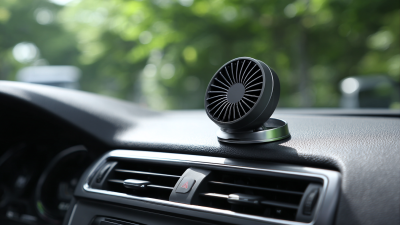
A car seat fan is a specialized device designed to enhance comfort during travel. It attaches to your car seat or can be placed within the vehicle. This fan provides a direct flow of air, helping to cool down the seat and the occupant. With hot weather, traditional air conditioning can only do so much. A car seat fan fills this gap by directly targeting those seated in the vehicle.
The working mechanism of a car seat fan is quite simple. It usually operates on batteries or through the car's power. Some models feature adjustable speeds and oscillation. By allowing you to control the airflow, they cater to individual comfort levels. However, not all models are equally effective, leading to mixed user experiences. Some people may find they still feel warm, while others appreciate the relief it provides. Careful consideration is essential when choosing the right one, especially if you endure long drives or live in hot climates.
The Purpose and Benefits of Car Seat Fans
Car seat fans are innovative devices that enhance comfort during drives, especially on hot days. Their primary purpose is to provide a steady stream of cool air directly to the passenger. This is particularly beneficial during sweltering summers when heated car interiors can reach intolerable temperatures. The fans are typically lightweight and can be mounted to fit most car seats. They plug into your vehicle's power source for easy operation.
The benefits of car seat fans extend beyond comfort. They help maintain airflow, which can reduce sweating and improve the overall experience for passengers. Ideal for families with children or pets, these fans keep everyone cool and calm. Yet, some users might find that the noise level is higher than expected. This could be distracting on longer trips.
Installation is generally straightforward, but not all models fit seamlessly. It may take some time to find the right angle for optimal airflow. Users should take this into account when selecting a fan. Knowing your vehicle's load capacity and electrical specifications is essential. Overall, car seat fans are a worthwhile investment for many, though not without their drawbacks.
How Car Seat Fans Work: Mechanisms Explained
Car seat fans are innovative devices designed to enhance comfort while driving. They work by promoting air circulation within the car seat, reducing heat buildup. These fans utilize small, energy-efficient motors, often powered by the vehicle’s electrical system. The placement of the fan is crucial; it targets areas where heat accumulates the most. According to a report by the American Automobile Association, excessive heat can make driving uncomfortable, especially during long trips or hot weather.
The mechanisms behind car seat fans involve simple yet effective technology. Many fans feature adjustable speed settings, allowing users to control airflow based on their comfort level. Some models include oscillation features, which help distribute air evenly. However, user feedback indicates that some fans may not provide adequate cooling for larger individuals or during extreme weather conditions.
Furthermore, installation may pose challenges for some users. While many units are designed for easy setup, discrepancies in car seat designs can lead to compatibility issues. These factors highlight the need for ongoing improvements in design and functionality. Understanding these dynamics is crucial for a better driving experience.
What is a Car Seat Fan and How Does It Work?
| Feature |
Description |
Mechanism |
| Cooling Effect |
Provides airflow to keep occupants cool. |
Uses a small fan to circulate air. |
| Power Source |
Can be powered by the car's electrical system or batteries. |
Connects to the car's 12V socket or runs on AA batteries. |
| Design |
Compact and portable for easy installation in seats. |
Features adjustable brackets and swivel heads. |
| Noise Level |
Operates quietly to avoid distractions. |
Employs low-noise fan technology. |
| Temperature Control |
Helps manage heat during hot weather. |
Circulates air to create a cooling breeze. |
Types of Car Seat Fans Available on the Market
Car seat fans have gained popularity for enhancing comfort during car rides. They are designed to provide a refreshing breeze, especially in hot weather. Several types of car seat fans are available, catering to different preferences and needs.
Portable fans are among the most common. These battery-operated devices can be easily mounted to the seat or dashboard. They offer adjustable speeds and angles for convenience. Some models even have USB charging options, making them versatile and easy to use. However, portability can come at the cost of battery life, which sometimes disappoints users in long trips.
Another option is the built-in fan system. This type integrates directly into the car's seat, providing a seamless look. These fans work in conjunction with the car's climate control system. Users enjoy a consistent airflow, and it often feels like part of the vehicle. However, installation can be complex and may require professional assistance. While built-in systems offer a more permanent solution, they might not cater to every car model.
Installation and Maintenance Tips for Car Seat Fans
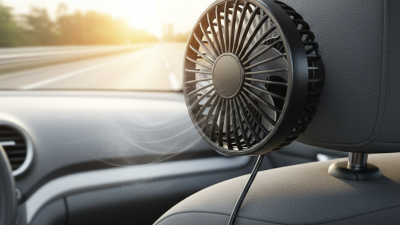
Car seat fans provide comfort to drivers and passengers alike, especially during hot weather. Proper installation ensures optimal airflow within the vehicle. Many fans come with adjustable angles for directed airflow. To install, secure the fan to the headrest or seat back using the provided straps or clips. Ensure the fan does not obstruct seatbelt usage for safety reasons. According to a study from the National Highway Traffic Safety Administration, proper restraint systems are crucial for passenger safety.
Regular maintenance of car seat fans is essential for longevity. Dust and debris can accumulate, affecting performance. Weekly wipe downs with a damp cloth help maintain cleanliness. Ensuring the fan’s batteries or power source are in good condition will prevent sudden failures. Some studies estimate that over 30% of electronic car accessories face operational issues due to poor maintenance. Neglecting care can lead to reduced airflow and fan effectiveness.
Consider the climate conditions you frequently encounter. Some users find fans ineffective in extreme humidity, reflecting the need for reflective sunshades. Feedback from surveys indicates mixed feelings about fan performance in varied weather. Personal experiences can vary widely, highlighting the importance of individual testing. Prioritizing thoughtful usage and maintenance can enhance your overall experience with car seat fans.