Shantou Chenghai Yate Auto Accessories Factory

Leave Your Message

What Is Fans For Cars and How Do They Work?

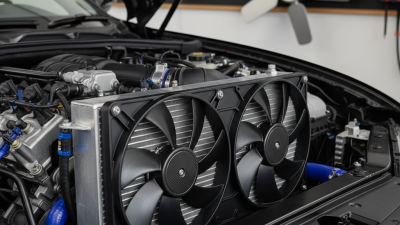
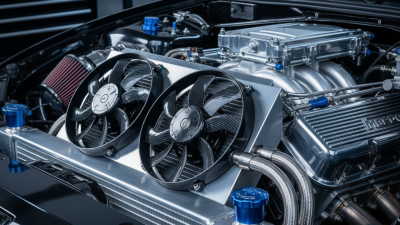
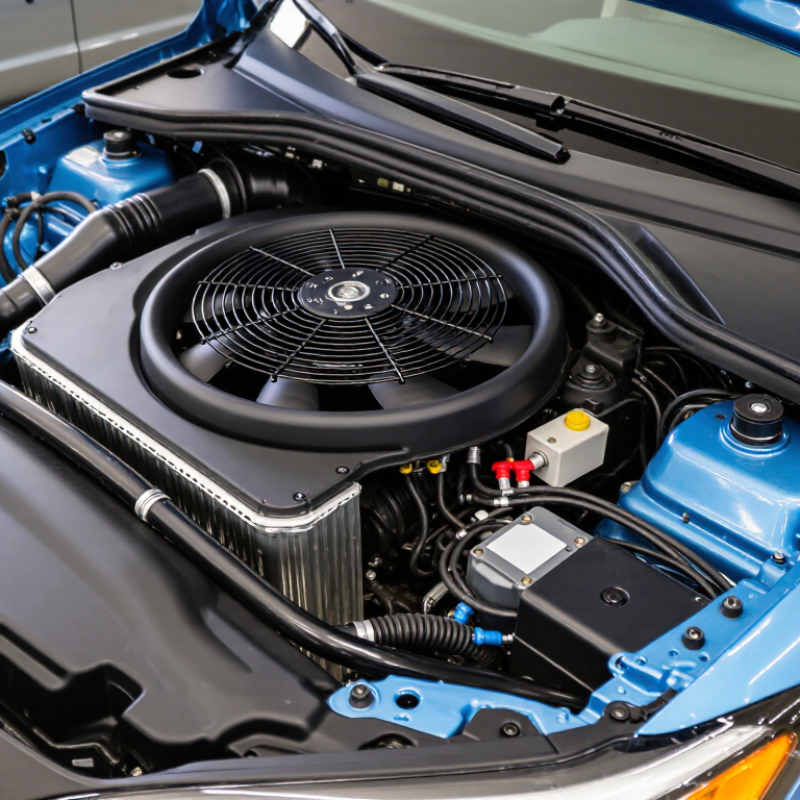
Fans For Cars are essential parts of a vehicle’s cooling and ventilation systems. They move air when natural airflow is too weak, especially during traffic stops or hot weather. Under the hood, a radiator fan pulls air through the radiator. This airflow removes heat from the engine coolant before the liquid circulates again.

Many modern vehicles use electric cooling fans. A temperature sensor, engine computer, or air-conditioning system can activate them when needed. Some fans run at different speeds, which helps reduce noise and electrical demand. The fan shroud also matters. It directs air through the radiator instead of allowing airflow to escape around its edges.

There is more than one type. Mechanical fans may use a belt-driven clutch, while electric fans rely on motors, relays, fuses, and wiring. Cabin blower fans serve a different purpose. They push air through the heater and air-conditioning vents, improving passenger comfort rather than engine cooling.

The warning signs can be practical and easy to notice. A rising temperature gauge, weak air conditioning at idle, unusual fan noise, or a burning electrical smell deserves attention. However, diagnosing a fan problem is not always simple. A faulty sensor can look like a failed motor, and a damaged relay may imitate a wiring fault. Safe testing requires care around hot components and moving blades. Real-world inspection should follow the vehicle manufacturer’s service information, because fan operation varies between models. Understanding these details makes maintenance more accurate, though no explanation replaces a qualified inspection when overheating continues.
What Is Fans For Cars and How Do They Work?

What Are Car Fans and What Purpose Do They Serve?

Car fans are airflow managers, not decorative parts. They move air through the radiator, condenser, and sometimes the cabin filter system. When a vehicle travels slowly, natural airflow becomes weak. The fan then pulls cooler air across the radiator, helping transfer heat from the engine coolant. At highway speed, incoming air may provide enough cooling, so the fan often slows or stops.

Most modern cooling fans use electric motors, temperature sensors, and control modules. A sensor monitors coolant temperature, while the control system adjusts fan speed. The fan may also run when the air conditioner is switched on because the condenser needs steady airflow. The U.S. Department of Energy reports that air conditioning can reduce fuel economy by more than 25% in very hot conditions, especially during short trips. Fan operation contributes to this accessory load, although the compressor usually uses more energy.

A practical check is simple. With the engine warm, the fan should respond as temperature rises. It may run loudly for several seconds. That is normal. However, a fan that never starts, runs constantly, or produces grinding sounds needs inspection. SAE cooling-system studies show that airflow, coolant circulation, and heat-exchanger design must work together. A fan alone cannot rescue a blocked radiator or low coolant level. Real vehicles are less tidy than diagrams, and diagnosis sometimes requires patience.

What Is Fans For Cars and How Do They Work? - What Are Car Fans and What Purpose Do They Serve?

Data Dimension Car Fan Type or Feature How It Works Main Purpose Typical Operating Information
Cooling location Engine cooling fan The fan pulls or pushes air through the radiator when natural airflow is insufficient. Helps remove heat from the engine coolant. Most useful at low vehicle speeds, during idling, or when the engine is heavily loaded.
Power source Electric cooling fan An electric motor rotates the fan blades after receiving power through a control circuit. Provides cooling independently of engine speed. The control system may switch the fan on and off or vary its speed according to cooling demand.
Power source Belt-driven mechanical fan The engine turns the fan through a belt, pulley, and fan hub or clutch. Moves air through the radiator while the engine is running. Fan speed is related to engine speed; some systems use a temperature-controlled clutch to reduce unnecessary fan operation.
Airflow direction Puller fan Mounted behind the radiator, it draws air through the radiator toward the engine compartment. Improves airflow through the radiator when space and layout allow rear mounting. Often used where the fan can be positioned between the radiator and the engine.
Airflow direction Pusher fan Mounted in front of the radiator, it pushes air through the radiator toward the engine compartment. Provides additional airflow when a rear-mounted fan is not practical. Correct blade direction and shroud design are important for efficient airflow.
Cabin comfort Blower motor and cabin fan A motor spins a blower wheel to move air through the cabin air ducts. Distributes heated, cooled, or fresh air inside the passenger compartment. Fan speed is commonly adjusted through a resistor, electronic controller, or climate-control module.
Air-conditioning support Condenser fan The fan moves air across the air-conditioning condenser to release heat from the refrigerant. Helps the air-conditioning system produce cooler cabin air. It may operate when the air conditioner is engaged, even if the engine temperature is normal.
Control method Temperature-controlled operation A temperature sensor or engine-control system activates the fan when additional cooling is required. Maintains the engine within its designed operating temperature range. The exact activation temperature varies by vehicle design and operating conditions.
Key components Fan motor, blades, shroud, fuse, relay, sensor, and wiring These parts supply power, rotate the blades, guide airflow, and regulate operation. Ensures reliable airflow and controlled fan performance. A fault in any related component can cause weak airflow, continuous operation, or complete fan failure.
Common warning signs Fan failure or restricted airflow The fan may not run, run continuously, make unusual noise, or move insufficient air. Indicates that cooling or cabin airflow may be inadequate. Possible symptoms include engine overheating, weak air conditioning, poor cabin ventilation, or a blown fuse.
Energy and performance Variable-speed fan control The control system adjusts fan speed instead of using only an on-or-off setting. Matches airflow to actual cooling demand. Can help reduce electrical load, noise, and unnecessary fan operation.
Safety consideration Unexpected fan activation Electric fans can start automatically when the engine is hot or the air conditioner is operating. Protects the engine and air-conditioning system from excessive heat. Keep hands, tools, and clothing away from the fan area and follow the vehicle service instructions.

How Do Car Fans Move Air Through the Engine Compartment?

A car fan moves air by creating a pressure difference across the radiator and condenser. Air enters through the front grille, passes through these heat exchangers, then travels into the engine compartment. The fan pulls or pushes this air, depending on its position. A sealed shroud is important. Without it, much of the airflow escapes around the blade instead of crossing the radiator core.

Mechanical fans turn with engine speed, so airflow may be weak during slow traffic. Electric fans respond to coolant temperature, air-conditioning pressure, and engine-control signals. SAE cooling-system studies commonly report passenger-vehicle fan capacities between 1,500 and 4,000 cubic feet per minute. The actual flow changes with grille restriction, radiator cleanliness, fan speed, and vehicle speed. More air is not always better.

The U.S. Department of Energy’s Vehicle Technologies Office identifies cooling fans as parasitic loads because they consume engine or electrical power. At high demand, engineering estimates often place fan consumption near 1–5 horsepower. That energy becomes noticeable during idling, climbing, or towing. In practical inspection work, a damaged shroud can cause overheating even when the fan spins normally. This detail is easy to miss. Air also needs an exit path, usually beneath the vehicle or through wheel-well openings. A blocked undertray can disturb that path and reduce cooling efficiency. The simple explanation is incomplete: airflow depends on pressure, sealing, resistance, and temperature control working together.

What Are Fans for Cars and How Do They Work?

How Do Car Fans Move Air Through the Engine Compartment?

An electric cooling fan pulls air through the radiator and pushes the heated air into the engine compartment. As fan speed increases, airflow generally rises, although the radiator, grille, shroud, and other restrictions reduce the actual volume of air moved. The values shown are representative non-brand-specific airflow levels for a typical automotive cooling fan under low-restriction test conditions.

What Are the Main Types of Fans Used in Cars?

What Is Fans For Cars and How Do They Work?

Cars use several fan types because different systems produce different heat. The radiator cooling fan pulls air through the radiator when road airflow is insufficient. It may run after the engine stops, which can surprise drivers. Older vehicles may use an engine-driven fan, while modern designs usually use electrically controlled fans for better efficiency. Temperature sensors and the vehicle computer adjust fan speed according to coolant temperature, air-conditioning demand, and vehicle speed.

The cabin blower fan moves air through the heater core, evaporator, and air vents. It controls comfort rather than engine temperature. According to the U.S. Department of Energy’s Fuel Economy Guide, air conditioning can reduce fuel economy by more than 25% in very hot conditions. That figure depends on driving conditions, but it shows why blower speed and cooling demand matter.

Electric cars add another important category: battery and power-electronics cooling fans. These fans support stable temperatures during charging, climbing, and rapid acceleration. The International Energy Agency’s Global EV Outlook 2024 reported nearly 14 million electric car sales in 2023, increasing the importance of this thermal system. Some packs use liquid cooling instead, so “fan” is not always the whole answer. Real-world diagnosis is messier. A noisy fan may indicate a worn bearing, blocked airflow, or a failing sensor, not simply a bad motor.

How Does a Car’s Cooling Fan System Operate?

A car’s cooling fan system controls airflow through the radiator. It helps remove heat when natural airflow is too weak. Coolant carries engine heat toward the radiator. Thin metal fins then release that heat into moving air. The fan becomes important during traffic, parking, or slow uphill driving. At highway speed, outside air may provide most of the cooling.

A temperature sensor monitors the coolant near the engine. When the temperature rises above a programmed level, the control unit activates a relay. The relay sends electrical power to the fan motor. Many systems use two speeds, or a variable-speed motor, for smoother temperature control. The air-conditioning system can also request fan operation. This improves airflow across the condenser. Some fans continue running briefly after the engine stops. That can be normal, especially after heavy driving.

During a basic inspection, listen for unusual grinding or rattling. Check whether the fan starts as the engine becomes hot. Do not touch the blades, even when they appear still. A failed fuse, damaged wiring, weak motor, or faulty sensor can stop the system. A stuck thermostat may create similar symptoms. The diagnosis is not always obvious. I have found that replacing the fan too quickly can miss a simple electrical fault. A repair technician should test voltage, relay operation, coolant level, and temperature readings before choosing parts. Never open a hot cooling system, because pressurized coolant can cause serious burns.

What Factors Affect Car Fan Performance and Maintenance?

Car fans, usually electric cooling fans, pull air through the radiator when natural airflow is insufficient. They often activate during slow traffic, hot weather, or air-conditioning use. Small details matter. Performance depends on airflow, coolant temperature, voltage, and fan condition. Leaves, dust, or insects can block radiator fins and reduce cooling efficiency. Bent fins create similar resistance. A damaged shroud may also direct air poorly. At idle, these problems become easier to notice because the car receives little airflow from movement.

Heat, moisture, and road grit gradually affect fan motors, bearings, wiring, and connectors. Corrosion increases electrical resistance, so the fan may rotate slowly or draw excessive current. Low system voltage can produce similar symptoms. A weak battery or charging fault may therefore mislead the diagnosis.

Listen for grinding, clicking, delayed startup, or uneven rotation. These sounds are useful evidence.

A practical inspection should include the fuse, relay, connector condition, blade cracks, and shroud mounting. Keep hands clear whenever the fan may start unexpectedly.

Maintenance begins with removing loose debris and checking for restricted airflow. Use gentle cleaning methods; excessive water pressure can damage bearings or electrical seals. A temperature scan tool can help confirm whether the fan activates at the correct temperature. I would not replace the motor immediately. One easy mistake is blaming the fan when a sensor, relay, or wiring fault causes the failure. Service intervals vary, and neglected inspection can turn a small electrical issue into overheating damage.